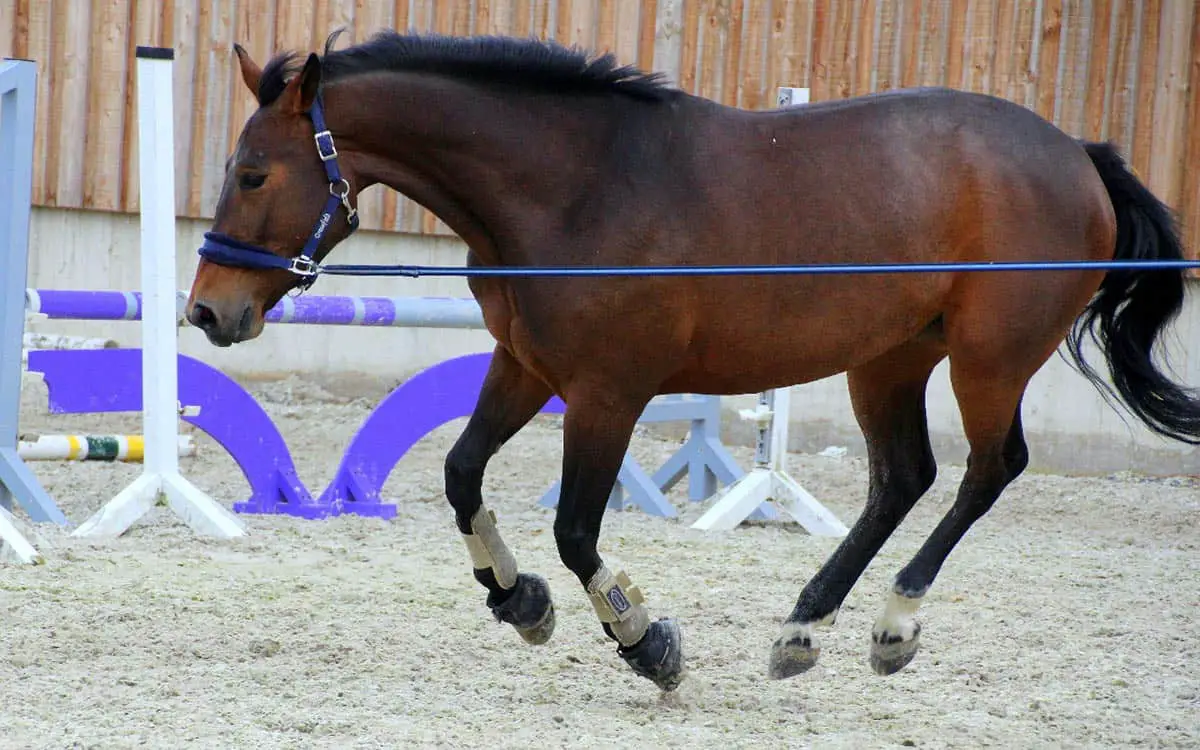
Have you ever been to a 4h show and see a young rider passing the judge’s stand trying to pull her horse over to it as she passed trying to “stay on the rail”? The horse’s neck is bent toward the stand but the rear drifts away. Wonder why?
It is because the reins and legs are for fine-tuning communication and the ride/s weight is what the horse actually understands as the main avenue of communication. So many do not realize the importance of the ride/s weight as an aid. Of course, there are well balanced natural riders who ride relatively effortlessly not giving balance a thought. But, so many struggle, not understanding why their horse is naughty or what they are doing wrong.
A horse seeks to work under a balanced load. It is its survival instinct. If a horse is carrying an unbalanced load for a long period of time, it can lead to muscle injury, saddle sores, tripping, interfering, etc if the load is heavy enough. Once carrying a load, the horse has no way to fix it himself. But he will try to “get under” it by drifting toward the heavier side just as someone carrying a heavy backpack might try to jostle the heavy side over a bit.
Riders not understanding this will correct with the rein or worse, instead of correcting themselves. Some horses learn to put up with unjust corrections but frustration can build with horse and rider over this misunderstanding.
Lots of us have physiological reasons for imbalances: Scoliosis, or bad habits in posture, legs of different lengths…
I would like to show you how to understand your balance, what your horse feels you to be saying with it and how to use it for better communication with him.
Maybe you have seen videos of Stacey Westfall on Youtube. lf not, please go and look at some of them. Ms. Westfall rides bridle-less better than most ride, period. It’s not magic, although it might appear to be. It’s her balance and weight that she and others like her have perfected!
The good news is that your horse can tell you what your weight is saying if you give him a chance. Riding is truly a communication.
Think about riding a bicycle. You are riding along and then make a sharp left turn. Pedaling along, you, lean left, putting weight onto the right side of your bike seat. That keeps you from falling over to the left! lt is a natural thing to do if you know how to ride a bike.
But in riding a horse, leaning into a turn like this will tell the horse to make a hard right; the opposite of what you want.
Similarly, when a horse spooks to the left, some beginners naturally put weight into their right stirrup to keep their balance which says to a horse “Yes, you are right! lt lS spooky! Go left MORE!”
There is an easy way for riders to feel and understand this concept. All you need is a hard wooden kitchen chair or even a folding metal chair.
Sit up on the edge of the chair with your feet on the outsides of the chair’s legs. Let your knees drop, let your heels rise. Can you feel the chair’s legs with your ankles/heels? Pretend you are being lifted a little by a line attached to the crown of your head, let your chin relax and drop and let everything else relax as much as you can. “Line lifts”, everything else relaxes.
Now, feel for your seat bones, there are two of them. lf you can’t find them, scootch a bit more towards the front of the chair and reposition.
Got them? Do they feel the same? Do you feel one more than the other?
lf you feel one more than the other so does your horse. Experiment by bringing one shoulder back, then the other to try to make seat bones feel equal. Try not to tense up or use your legs at this point. You are working on FEEL. You might also try to rock your pelvis slightly (hip bones forward and back), feeling for your seat bones.
A balanced weight is what you want but for some, this may come later.
Let the weight of your belly drop into the floor of your pelvis and then aim your belly button slightly to the left. Then, slightly to the right without using any other tension elsewhere. Feel if anything happens with your seat.
The important thing with these exercises is to be aware of your body without the stress of controlling a horse at the same time.
Back to your position on the chair; sitting on the edge, knees dropped and relaxed with heels raised and relaxed on the outside of the chair legs, sitting up…Push your right ankle against the right leg of the chair. This simulates a request for your horse to move left. What do you feel? Your right seat bone rises. You are not actually PUSHING your horse over to the left. You are asking your horse to go left by weighting your left seat bone thus raising your right seat bone, not by leaning or losing your balance.
There is no way that you can physically push your horse over while sitting on him. But he can feel the weight of your seat directly and respond to it. Sometimes a rider does not understand what her body is saying with all its parts but the horse responds anyway. The rider may then correct the horse but that is impolite. She should learn to correct what SHE is saying if the horse does not do what the rider THINKS she is saying. Feel your body off the horse to learn some of what you need to know.
Now, back to the chair seat. Relax your right ankle and push your left ankle into the left chair leg, Feel your weight going into your right seat bone? Make sense? lt does to your horse too.
Tension in other areas can lift your seat bones too. Tense your right thigh or buttock. Feel. Put a little weight into your right foot. Feel (This is like weighting a stirrup, even if not thinking about it.) Fearful riders have all sorts of tension they are not aware of. Riders nervous about going into an important show?
Experiment and feel. Feel your seat bones. Turn your head slowly, left and then right and feel.
Did you know that each of your arms weigh about eight pounds each? Tension and misplacement of them can confuse communication too. A good thing to learn is to “keep your elbows” at your hips. Relaxing your arms, elbows at a 45 degree angle. You might hug your hips with your elbows.
To find out why, stand up and stride about the room with your elbows there at your hips, like you are holding two reins. Stride around. Now look down at your hands as you stride around again. Are they moving? Left and right, some forward and back motion, following the movement of your hips? This is useful at the walk and the canter because as your seat and legs (therefore your hips) follow the movements of the horse, so will your hands move and they will go with the motion of the horse’s head from there. No interfering. A lot of unnecessary movement of the hands can be distracting from the job at hand, just as kids bickering in the background can be distracting from a phone call.
At the trot, you will open your elbows away from your hips a bit to allow for posting and a slightly different motion than the head.
You also want a heavy seat, in general. Try this: go over to a kitchen counter, put fingers under the edge, palms up. Now pretend you plan to lift the counter off the cabinet. No, you won’t do this but prepare. Your knees are bent a bit, your back straightens and your weight goes into the floor of your pelvis. You don’t want to strain, just feel the start of these feelings.
There is more to riding but these are things you can try to start improving communication a bit while you don’t even have a horse to ride.
Moon blindness, with its aggressive progressive nature, is a danger to almost 25% of horses in the US. To the many horse shows, I have been to, and for the many horses I have shod, I have encountered several sad cases of this blinding condition. Even more saddening is when an owner fails to notice the symptoms of the disease. What follows next is often a quick deterioration of the animal’s eye health, immense pain, and loss of vision. Worst of all, at an advanced stage, moon blindness can no longer be reversed. The damage is permanent.
[toc]
What is Moon Blindness?
Vets and veterinary ophthalmologists refer to it as Equine Recurrent Uveitis (ERU). The name implies the repetitious nature of the condition that is a deep inflammation inside a horse’s eye. This inflammation is associated with pain and can lead to glaucoma, cataracts, and other forms of eye damage.
The term moon blindness refers to the buffing and fading stages of the condition. Previously, episodes of the disease were related to the phases of the moon, thus the name moon blindness
ERU is characterized by repeated episodes of eye inflammation interrupted by varying periods of clinical inactivity. The condition is one of the most mysterious horse health problems; quite little is known about it regarding cause, treatment, and prevention. There is no cure for it, but strategic clinical management can help to preserve your animal’s eyesight.
Currently, ERU remains the most common cause of blindness in horses. The inflammation often targets the uveal tract of the eye—the latter is the tissue membrane that shields the eye’s inner and sensitive tissues and chambers from the outer layer. The uveal also keeps pathogens carried in the blood from entering the eye’s inner layers that include the retina.
The blood-ocular barrier likewise stops large molecules or blood cells from entering the eye. It keeps away drugs as well and helps to maintain the fluid within the eye clear.
Inflammation or trauma to this protective tissue causes these substances to enter the eye. The result is the formation of antibodies that also attack the eye’s protein layers. An accumulation of antibodies in the eye further heightens the inflammation.
Causes of ERU
Causes of moon blindness are still unknown, but many scientific postulations try to explain its origin and development. These include:
Autoimmune reactions
One of the major suggested causes of equine moon blindness is the inflammatory processes of the structures that make up the uveal tract (iris, choroidal, and ciliary body). Being an immune-mediated disease implies that the horse’s immune system attacks its eye tissues after mistaking them for the disease-causing organisms.
The resultant inflammation and pain may fade away for a few weeks or months, leaving the horse with no apparent symptoms. However, the horse’s cells may continue fighting and attacking the tissue of the eye between episodes of inflammation. That may result in tearing, squinting, and other painful symptoms.
Bacteria
Some researchers believe that moon blindness is an infection resulting from the activity of Leptospira interrogans. The latter is a species of bacteria comprising of over 200 pathogenic serovars. The pathogens trigger the intraocular immune responses that lead to ERU. It’s not the bacterial infection that causes the uveitis, but rather the immune response to the initial infection. Horses contract leptospirosis through contaminated feed or water.
Viral infections
Equine viral infections, including influenza virus and adenovirus, are also classified as causes of moon blindness. However, there is still much uncertainty around these causative agents.
Researchers suppose that due to hypersensitive reactions to viral activities in the eye’s blood-ocular barrier, the horse eventually fails to develop immune tolerance to his eye, thus triggering autoimmune responses.
Allergic reactions
Clinical evidence suggests that inoculations of specific retinal proteins, one known as the S-antigen, can induce the development of allergic uveitis in various animals, including horses.
Parasites
Parasites cause ERU in the same way as bacteria and viruses –they create the breakage of the blood-ocular barrier, thereby resulting in an autoimmune response.
In the past, the major parasite linked to ERU was Onchocerca in its tiny larva form, but that’s no longer the case thanks to ivermectin therapy. However, if ever there are strains of ivermectin–resistant Onchocerca parasites, they could certainly lead to ERU.
Genetics
The Appaloosa breeds have a high higher risk of ERU compared to other races. This predilection points to a genetic basis for moon blindness. If your Appaloosa develops ERU in one eye, chances are the other eye will catch the infection too.
Remember, though, that equine recurrent uveitis is not contagious, meaning that it cannot spread from one horse to another. It affects all horses, regardless of age or sex. The underlying cause for ERU will likely remain controversial and debated for decades to come.
Other suggested causes of moon blindness include:
Vitamin deficiencies
Tooth and hoof abscesses
Physical trauma to the eye
Symptoms of Equine Recurrent Uveitis
The first episode of moon blindness may occur in young horses between four and eight years old. However, not every horse develops a recurrent case of the condition. Vets typically confirm that it’s ERU after two or three episodes of the disease.
I have seen cases of Equine Recurrent Uveitis on both eyes. Generally, if there is no immediate treatment and care for one eye, the other eye may get a similar inflammation later. It makes sense; the same bacterial, viral, or traumatic conditions that cause ERU can still affect the other eye if not identified and rectified.
Signs of ERU include:
Dilation of Vessels
The protective uveal tract contains many blood vessels. Inflammation would, therefore, lead to the dilation of the vessels and visible redness. Ocular fluid may also start to leak, denoting the disruption of the blood-ocular barrier. The presence of blood might also be observed, especially in cases of traumatic uveitis.
In most ERU cases I have seen, the affected eye is teary and swollen. It often seems as if the animal bumped himself onto an obstacle or got hay into his eyes. The horse then quickly recovers, the owners forget about it. But it starts again after a few months.
Each episode brings a progressive worsening of the uveal inflammatory process, increasing the risks for impaired vision.
Squinting
The ocular inflammation in ERU is painful for the animal, and that explains the squinting. The sore, red, and swollen eye membranes would be sensitive even to drought and light. When both eyes are affected, the pupils are smaller than those of healthy horses when examined under the same light conditions.
Cloudiness of eye
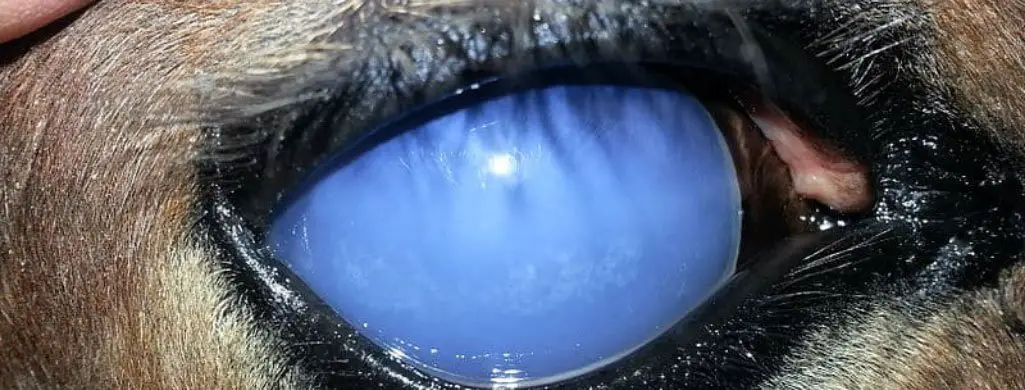
Cloudiness of the eye, also known as corneal opacity in an ERU- affected eye, maybe due to corneal ulceration, stromal edema, or neovascularization. Corneal edema (swelling) results from the break in the structural integrity of the corneal epithelium. It pinpoints to the trauma and autoimmune reactions the eye has suffered.
Neovascularization, on the other hand, is the sign of the formation of new blood vessels in the eye area in response to the loss of blood supply in the retina. The new blood vessels are fragile and bleed easily, leading to scar tissues, hence the cloudiness. In severe cases, this could lead to blinding hemorrhages.
Corneal Ulcers
Some horse eyes develop corneal ulcers and other complications that may compel the removal of the eye. The corneal ulcer typically occurs as redness in the eye, pain, discharge, and reduced vision. If the ERU leads to corneal ulcers, it’s an indication that its underlying causes could bacterial infection, fungi, or a parasite that causes severe eye irritation.
Treatment for Moon Blindness
There is no cure for moon blindness, but treatment and care help to reduce uveal inflammation, preserve pupil size and motility, provide pain relief, and prevent the risk of blindness.
After the initial acute episode, which may last several days, a dormant phase follows. The animal does not present clinical signs of ocular inflammation. But vets agree that even during this phase, the uveal inflammatory process continues. Early diagnosis, through a thorough ophthalmic examination, combined with aggressive and disciplined therapy, can significantly reduce the chances of total or partial loss of vision.
The progressive nature of ERU underscores the need for performing periodic examinations during the disease, should you be suspicious of the symptoms you have seen. For confirmed cases of ERU, regular inspections are needed as well to assess treatment efficiency and identify changes in preliminary examinations.
A careful examination of the eyeball is often necessary for both eyes. Remember that inspection may not be easy in animals that have developed an involuntary tight closure of the eyelids. At the slightest touch, such horses become intolerant to manipulation due to intense ERU-related eye discomfort.
Your vet or vet ophthalmologist may use a parenteral sedative or perform an anesthetic blockage of the eyelid’s atrial nerve to help carry out an accurate examination. Other abnormalities on the external eye are often just identified through inspection with an external light source.
For successful treatment of horse moon blindness, consistency is needed from the owner and the vet. A hastened clinical evaluation, with the resulting therapeutic inadequacy, lack of treatment turnout, or even early discontinuation of treatment, often results in higher chances of failures.
Corticosteroids
Corticosteroids can be administered by topical, ocular injections or a combination of the two according to the severity of the condition. The medications lead to inflammation suppression as well as pain relief. But the consistency and route of administration play a significant role in the level of relief obtained from this therapy. Ophthalmic ointments are preferred to eye drops because they have longer contact time with the eye.
Beware, however, that corticosteroids may have unwanted side effects given their immune-suppressing abilities. The medications might leave the horse prone to fungal infections in the eye or even bacterial infections elsewhere, including laminitis in the hooves.
Non-steroidal anti-inflammatory drugs (NSAIDs)
NSAIDs are often widely used in horse clinics and can be helpful for the treatment of uveitis. NSAIDs have a remarkable anti prostaglandin activity (they stop inflammation by constraining the formation of prostaglandins, a group of tissues and lipids that control blood flow and blood clotting at an injury site) and thus minimize potential risks.
Injection or oral administration of NSAIDs may be required to control inflammation. They not only reduce the inflammation of the uveal tract but also reduce the chances of ERU relapses. The three common anti-prostaglandin drugs used in the treatment of ERU include:
Phenylbutazone – administered orally or intravenously (IV) and used for mild ERU infections.
Flunixin meglumine – administered orally or IV and used for moderate to severe ERU cases for it has anti-inflammatory, antispasmodic, analgesic, and antipyretic effects.
Acetylsalicylic acid – I have seen this used with success (at least on condition management level) on recurrent uveitis after treating acute episodes with other drugs.
The biggest challenge for topical steroidal inflammatory drugs is that most have antibiotics in their formulations. In cases of moon blindness unaccompanied by a corneal ulcer, the use of antibiotics may excite uncontrollable fungal growth. Given that they alter the healthy flora of the eye, most vets favor corticosteroids over them.
Immuno-suppressants
Immunosuppressive drugs such as cyclophosphamide can be used to control severe ERU. Cyclophosphamide is the same drug used to prevent organ rejection in patients after a heart or kidney transplant surgery. Cyclophosphamide implants deliver better results than topical administration; the drug has a low ability to penetrate the eye.
Surgical procedures
Your veterinarian may recommend surgical treatment alternatives for your horse’s moon blindness condition. There is inconclusive research on surgical therapies for ERU. Procedures can only be done by experienced ophthalmologists with immense knowledge of the disease and equipped with the latest high-tech tools.
Recovery and Prognosis
Some animals often need long-term non-steroidal anti-inflammatory therapy to maintain eye function and comfort. The chances of vision preservation depend on the frequency and severity of recurrent episodes and the success of the treatment.
If your animal’s cause of ERU was not a perforating kind of trauma, or if it doesn’t have any associated corneal ulcers, there is a good chance for preservation of vision after treatment. Several recurrent episodes and risk of blindness are prognostic for ineffective treatment.
It’s imperative to begin early treatment once you suspect a case of moon blindness. The severity of the condition always advances with each progressive episode. In my experience through years, I can confirm that early diagnosis and treatment for ERU leads to a favorable prognosis.
There are currently many unanswered questions regarding the nature, control, and treatment of ERU. Little is still known. There is ongoing research on new treatment modalities, but confer with your vet (never start treatment for ERU without a vet’s diagnosis), they may advise you on new treatment methods to try.
Currently, early detection of eye changes, together with aggressive and persistent treatment for the symptoms, is the main way to combat the disease. Sadly, (as my farrier duties involve closely working with vets), I have seen many horses referred for examination and treatment at a later stage of the condition, rendering all future therapies highly inefficient. Sometimes when it’s too late, it’s just too late.
Prevention of Moon Blindness
There is little that horse owners can do to prevent Equine Recurrent Uveitis, given its complex and mostly obscure causes. You just don’t know what will cause the condition or what environment will trigger it. Be that as it may, adhering to proper nutrition, and providing a clean environment can certainly help to keep your horse healthy, for ERU is just like any other disease.
Provide good nutrition
Your horse needs a balanced diet comprised of vitamins, proteins, fat, and starch to remain healthy. These nutrients can be found in live grass, hay, or grain feeds. Nonetheless, minerals such as calcium, sulfur, and magnesium are always in trace amounts and may need supplementation. Vets agree that the MSM organic sulfur supplement is an excellent ally in the prevention and management of moon blindness.
Keep environment clean
As mentioned at the start, the suggested causes of ERU include bacteria, fungi, parasites, and viral infections or exposure. You can wipe out these causative agents by maintaining a clean environment in the horse’s sleeping quarters and giving the animal regular sponge baths.
Remove dangerous obstacles to the eye
Sharp objects in the horse’s stall can cause eye trauma that leads to ERU. Clear your animal’s environment of such obstacles, including nails, hooks, and hanging pieces of wood. Remove anything else that can poke or scratch the eyes in the animal’s grazing areas as well.
Call vet at the onset of any eye infections
Early diagnosis and treatment can help to suppress recurrent episodes of ERU. Therefore, soon as you see symptoms of moon blindness, call your vet. They will determine whether it’s a case of ERU or not and implement a therapy that prevents further deterioration of your horse’s eye health.
The bottom line
Moon blindness often needs urgent and immediate medical attention. The condition has several mostly unknown causes. Equine Recurrent Uveitis is also severe and hard to control. Treatment and management are costly, and the disease has a high chance of causing blindness.
Successful treatment and management of ERU require early diagnosis and persistent aggressive therapy after that. Prevention of ERU could be by proper nutrition and supplementation, maintaining a clean environment, and removing dangerous obstacles that could injure the horse’s eye from his environment.
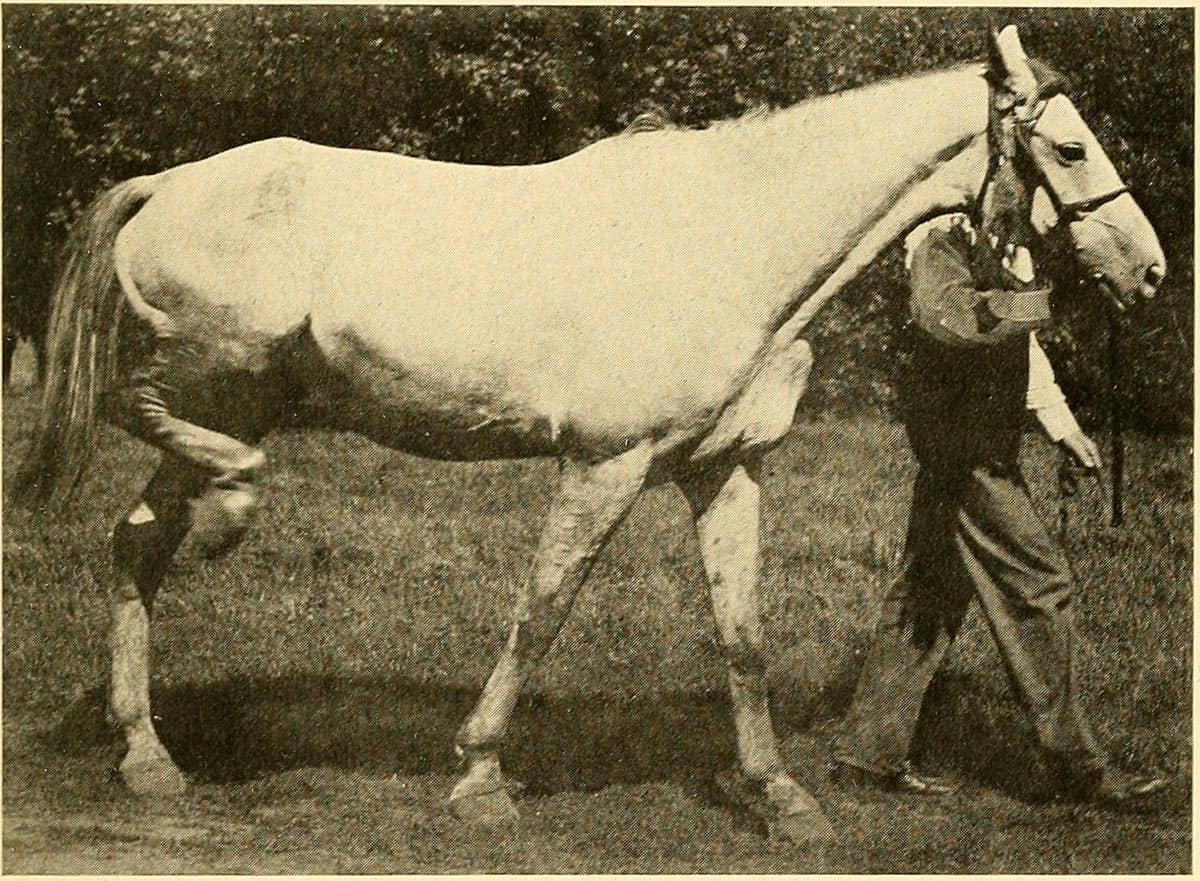
I have noticed a severe over flexion on my horse’s hind limb when he’s walking or trotting. It’s more evident when turning on the affected leg, backing up slowly, or when I suddenly frighten him.
Stringhalt in horses is the spasmodic contraction of the hind legs’ lateral extensor tendons. Although the condition is painless, it shows the horse is unsound. If it persists, the animal may be unable to walk properly.
Therefore, stringhalt is a non-painful neuropathic condition, which is shown by this abnormal hind limb gait. You will notice this when your horse is walking forward or backward.
Initially, I thought the horse was suffering from shivers, EPM, stifle, or locking patella. You may also be wondering what the difference between shivers and stringhalt in horses is. Read on for more insight.
Shivers
Shivers mimic stringhalt since they both involve the sudden upward flexion of the hind leg when backing and moving off. However, shivers involve muscular quivering of the horse and tail elevation when making that abnormal movement, but it doesn’t hit the ground hard.
History Of Stringhalt
Stringhalt in horses and hooved animals is an age-less disease that was reported back in the Renaissance period. It is an excessive contraction of the digital extensor muscles, especially when these muscles lack enough opposition.
Clinical Signs
You’re likely to notice your horse kicking its abdomen with its hind leg and quickly slapping the ground hard. It is particularly evident when the horse is backing up or turning. It might also involve the two hind legs, and in extreme cases, the condition may include the forelegs.
Possible Causes Of Stringhalt
Stringhalt in horses is a neurological issue. It’s caused by the damage of the nerves, thus triggering the abnormal activity of spindles. These sensory receptors are responsible for detecting any changes in the length of the muscle.
In this situation, certain muscles contract differently, either early or late, when the horse is moving. It’s a sign that the horse is suffering from a neurological disease caused by toxicity. The abnormal gait may become severe, thus warranting euthanasia, especially when it becomes severely incapacitated.
Types of Stringhalt
There are two common categories of stringhalt in horses:
Australian Springhalt
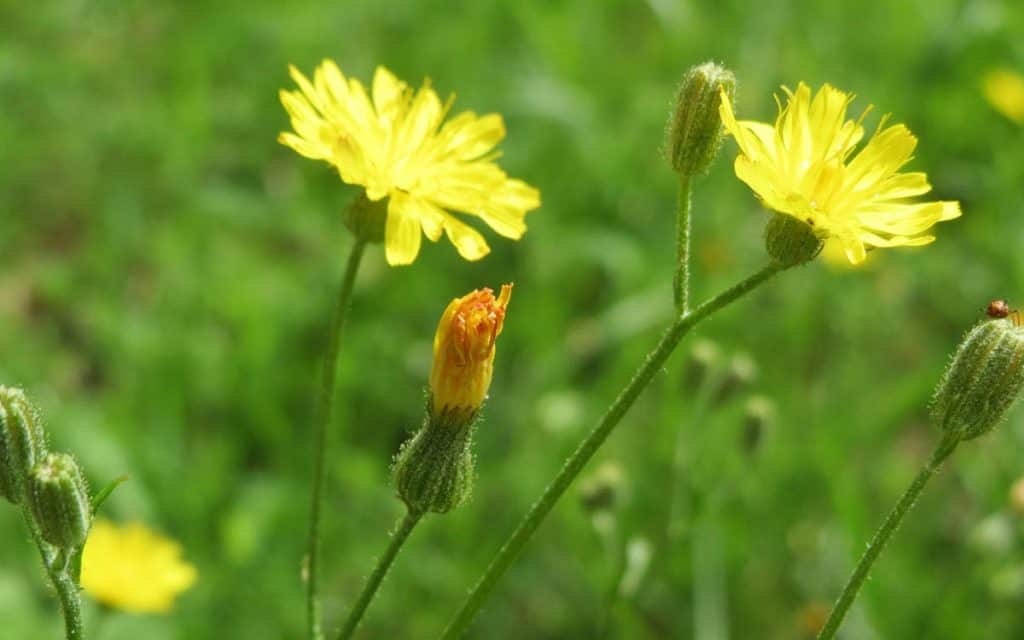
The disease is caused by the ingestion of toxic plants like common dandelion, cheeseweed, and little mallow, although flatweed remains the main contributor of stringhalt. Generally, these weeds are not extremely toxic; however, their toxic levels may increase due to certain environmental conditions.
Flatweed
For instance, you’re likely to notice this behavior during cold weather, and the symptoms are expected to decrease with hot weather. This type affects both hind legs and, in extreme cases, the front legs.
The animal may recover with time after it stops ingesting these toxic plants. For instance, there were two stringhalt outbreaks in Brazil, and Jose Allan Soares de Araujo, a researcher from the veterinary hospital, conducted research during that period. He fed a young horse with flatweed during this time.
As a result, the horse developed stringhalt signs after three weeks and showed some improvement when the plant was removed from its feeds. This seems to confirm that the suspect weed was the cause of the disease.
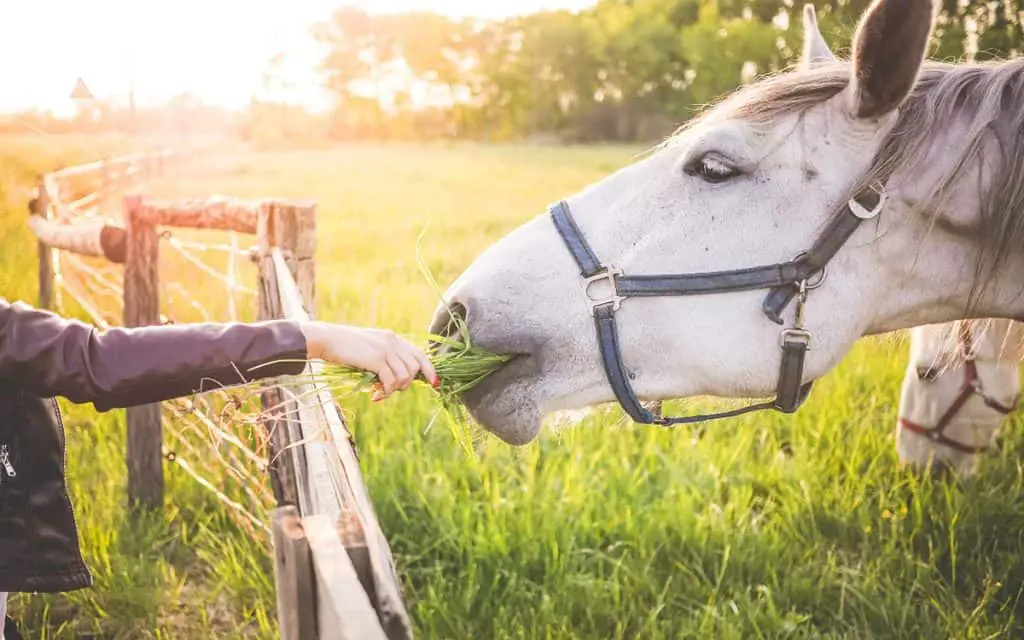
Therefore, you need to monitor what your horse is feeding on when you notice this condition, as well as provide a high-quality diet to support its recovery. You may also need to give them laxatives to flush the system or get the weed of the animal’s gastrointestinal system to prevent absorption.
Classic Stringhalt
Classic stringhaltis not associated with plant toxicity, but back or neck injury. Still, its origin is a mystery. Thus, the origin of this condition could be the injury on its neck, back, or leg. Most likely, stringhalt clinical symptoms may improve once these injuries heal.
The animal suddenly jerks its limb upward towards it and drops it to the ground. The action can be mild or violent in classic stringhalt, as the injury deteriorate or when it experiences significant pain in its rear foot that originate from the stifle or hock.
In other situations, there may be no injury, thus making it difficult to determine the cause of the disease. As a consequence, the vet may consider other possibilities such as osteochondritis dissecans (OCD), which is a cartilage disorder at the joints. They may also think of Arthrosis or degenerative joint disease as the cause of the disease. Therefore, continuous training or intensive work may worsen the situation.
Therefore, under this condition, your horse may never recover since the disease keeps on deteriorating with time. It may begin with one rear leg and then progress to the second one, and forelegs.
Some of its treatment is botox, anticonvulsant drugs, muscle relaxants, and surgery. Unfortunately, there is no guarantee that your horse will recover completely. Thus, it’s not advisable to ride it or perform any ground maneuvers.
However, if the horse is frequently used in the field, it needs a thorough neuromuscular examination first, for its extremely risky to ride a horse suffering from stringhalt.
Diagnosis
An equine veterinarian that specializes in neuromuscular dysfunction is an ideal person to evaluate stringhalt symptoms. However, Australian stringhalt doesn’t require thorough diagnostic procedures like classic stringhalt. It just needs monitoring of the feeds to eliminate the ingestion of toxic weeds.
Orthopedic Exam
An extensive orthopedic examination entails ultrasound and X rays of the affected leg to investigate any major issue in the lateral digital extensor muscle, hock, and tendon. The vet may detect abnormalities in the nervous system reflexes that increase the tone in digital extensor muscles whenever the horse is moving.
One of the clinical signs that may be displayed during the examination is hypertonia, which is increased tension, rigidity, and muscles” spasticity. Hypermetria is another outcome, which is the ataxic muscle disorder, demonstrated by overreaching. Therefore, neurological problems are complex, and can only be discovered after a thorough examination.
For that reason, you may need to pursue advanced treatment from a specialist. They will perform additional diagnostic tests to rule out other diseases of the muscles like infectious diseases such as equine protozoal myeloencephalitis (EPM) or polysaccharide storage myopathy (PSSM)
Diagnostic Workup
A horse with stringhalt symptoms may require hospitalization to provide it with close examination for a number of days. Additional clinical examinations include electromyography (EMGs), diagnostic imaging, and orthopedic workup that offer more accurate diagnoses.
With EMG, the vet is able to have a clear reading of what is happening on the muscles, thus eliminating doubts during the treatment of the disease.
Treatment
Stringhalt caused by the ingestion of toxic weeds can be eliminated when the horse is removed from the pasture. You may give the animal magnesium salts and vitamin B complex to help improve its peripheral neuropathies.
The average recovery of such animals is six to nine months or less; however, those that have severe signs of stringhalt in both legs or forelegs may take longer. In that case, additional treatment should be provided.
Muscle Relaxants
The vet will recommend medication that works directly on the central nervous system. The drugs are helpful to horses that have persistent stringhalt problem. Botulinum toxin or Botox is used to alleviate stringhalt clinical signs.
Anticonvulsants
Sedatives can be used to reduce anxiety and provide relief during a severe phase of stringhalt. For that reason, the vet may recommend anticonvulsants and other drugs in acute stages. Sadly these drugs are sedatives, and therefore, they give the animal suffering from stringhalt, only temporary relief.
Phenytoin
Phenytoin (PHT) or Dilantin is an anti-seizure medication used to manage Australian stringhalt. It is used intravenously or by mouth to prevent focal seizures and tonic-clonic seizures. You may notice a significant improvement in the movement of a horse initially suffering from Australian stringhalt. The anti-epileptic medication is mixed with feeds at the rate of 15 mg/kg every 12 hours for the next two weeks.
The objective is to reduce clinical signs of stringhalt, for it hyperpolarizes the horse’s nerve membrane, thus enhancing the potential threshold. Therefore, it dampens the firing of the nerves. Seeking long-term treatment for stringhalt in horses can be risky and expensive. It also contributes to positive doping tests, especially for racehorses.
Surgery
A surgical procedure known as lateral digital extensor tenectomy may be done to remove a section of the tendon, or myomectomy running along the hock and the lateral digital extensor muscle. However, its success rate is not guaranteed, and the horse may never recover.
Nonetheless, in most cases, the procedure is able to alleviate clinical signs associated with stringhalt, and your horse may begin to move.
Common Questions About Stringhalt
Can Stringhalt be cured?
Australian stringhalt is caused by the consumption of toxic weeds in the pasture. Thus, your horse can recover some months after you withdraw the weeds from the pasture. On the other hand, classic stringhalt may be cured or not, particularly in severe cases.
However, you can retrain your horse to get around the condition with the use of Botox. The drug is able to temporarily help the animal to get out of its loop until it’s able to manage the neurological issues.
Your horse can have a good quality of life, although it may not return to its previous performance. It may also experience a relapse, while a horse that had severe clinical signs may recover fully and return to its normal life and activities.
Scientists are actively conducting research on this neurological disease to discover new causes and treatments. They are seeking to understand the origin of stringhalt in horses by conducting post-mortem examinations.
For that reason, they are investigating botulinum toxin (Botox) that is recommended above for calming the clinical signs of stringhalt, for it is used in humans to smoothen facial wrinkles. Researchers have recorded a positive outcome, and are advocating its use in higher doses to reduce stringhalt symptoms.
Is Stringhalt Genetic?
There are no genetic links with stringhalt since all breeds are susceptible. The condition is most evident in horses aged 4-5 years, thus inspiring many to think that it’s caused by genetic predisposition. However, even if there are certain correlations, the condition has several causative factors, hence making it hard to link it to genetics explicitly.
The cause of classic stringhalt is still unclear, although it is thought that the disease could be triggered by traumatic damage of sensory nerves of the muscle on the hind limbs.
Can You Ride a Horse with Stringhalt?
A hopping gait shows that the degree of equine reflex hypertonia in your horse is severe. Some horses may still work without impairment, but it’s technically unsound. Although stringhalt is not a response to pain and your horse may not be uncomfortable, it’s still not wise to ride on it or engage in aspects like dressage.
Summing It All Up
Stringhalt in horses is basically an outward sign that the animal is suffering from a neurological disease. Although the Australian stringhalt type is caused by the ingestion of toxic weeds such as flatweeds, the origin of the classic type is still unknown.
A horse with this condition yanks its legs up and halts them whenever it is turning, backing up or walking. Thus, stringhalt is an uncontrollable exaggerated movement. The symptoms may disappear after a few days when you remove the animal from the poor pasture. More so, you may provide the horse with a high-quality diet to speed up the recovery process.
However, if the persist, additional treatment may be necessary, and this may include the use of phenytoin or worse still surgery. Nevertheless, most of the treatment procedures are risky and costly as well as they don’t guarantee that the horse will remove and resume its previous performances.
Horse splints are a confusing topic for most horse owners, as I have found in my 35 years of equine hoof care. Quite often, many dismiss it as a benign problem. In reality, horse splints need urgent and aggressive treatment, or they might affect other structures and leave your animal with a permanent blemish. This condition also causes immense pain to your horse plus a significant decline in their performance.
[toc]
What are horse splints?
You will likely notice a bony swelling in the lower leg of your animal. The condition is likely to occur in a young or unfit horse that you put through tough training or hard labor. When you run your hand down his legs, you may feel a large hard lamp between the knee and the fetlock joint. These are the tell-tale signs of a splint.
A horse splint is a tearing or strain on the ligaments that glue the splint bones to the cannon bones. The splint bones are two slender bones that surround the cannon bone.
As a result of the tear, the animal’s immune system reacts by cementing the area with calcium mineralization. The protrusion is usually soft, hot, and painful in the first few days after the splint. After mineralization hardens, the horse splint manifests as a hard swollen lump.
If the intensity of the trauma that causes splints exceeds a certain threshold, fractures might occur on the splint bones — a splint bone fracture (not the same as a splint’) is a different thing. Splint fractures are hard to identify, and often lead to severe health consequences.
Just like splints, splint bone fractures are limited to horses under five years old. Their splint bones and cannon bones have not fused properly, causing the susceptibility to ligament tear and bone fracture. Both splints and splint bone fractures can cause lameness and other complications.
Types of Splints
True splint
A true splint comes out as a bony lump behind the knee. True splints are as a result of a torn interosseous ligament. The latter refers to a group of ligaments that attach the cannon bone to the splint bones. In the case of a true splint, there will be visible external swelling.
Blind splint
Blind splints similarly form out of torn ligaments. However, the hardened swelling, in this case, happens between the splint & cannon bones and the ligaments. There is little external swelling to see or feel. Your horse will feel the pain all right, but it might take you longer to realize it, and diagnosis is also lengthy, often requiring ultrasound or CT scans.
Periostitis
Periostitis is a soft tissue covering all bones. When the trauma happens around the cannon bone, the periostitis, in this case, shoulders most of the stress and becomes inflamed of falls off. The animal’s body, in reaction, sends more bone material to the area to fill the space. Periostitis splints are hot and painful with constant lameness.
Knee splint
Unlike the other splints, this one happens directly behind the knee, and the damage affects the lower joint of the knee. Knee splints can lead to osteoarthritis.
Causes of Splints
As hinted earlier, the interosseous ligament is still very elastic and tender’ in your young horse. When he approaches maturity, the ligament is replaced by bone materials, and all the three bones eventually fuse. But before that, you don’t want to extol him physically. Splints mostly affect the front legs of a horse when there is excess stress on the bones. Causes of splints that you should watch out for include:
Heavy training at a young age
I usually flinch with fear when I see an owner training a 3-year-old horse for more than an hour. Even for 5-year-old horses, anything exceeding 40 minutes could cause severe stress on their joints. For all young horses, take it slow. Allow their bones to become dense and robust, or the animals will suffer recurrent cases of splints.
Direct Trauma
Your horse’s splint nightmares can also be as a result of interference injuries. The latter refers to injuries that occur when one limb contacts another during the animal’s strides. You will often hear repetitive popping sounds when interference happens.
Another type of direct trauma that can cause splints is kicks from another horse. In both of these cases, the splints are more likely to form in the lower leg. Intense trauma could lead to splint fractures.
Working on Hard ground
Concussive forces as a result of galloping on hard ground can cause horse splints. Working your horse on the hard ground sends more concussive forces to the interosseous ligament, causing tearing.
In the cases I have seen, splints due to concussion often affect the inside of the front legs slightly below the knees.
Improper hoof balance
Hoof imbalance is a culprit for many horse problems, including splints. Your horse’s hooves should strike the ground as a unit. In cases of hoof imbalance, the outside toe lands before the heel, causing excessive stress on the medial splint. You would need to work with an experienced farrier and vet to correct the imbalance.
Spot the Sign of Splints
There is often pain with swelling around the splint. Sometimes the hard lumps are externally visible, but not in all cases. Here is what to look for:
The injured area is hot, painful, and inflamed with a small bony swelling
If your horse pops a splint, you will likely notice some swelling around the area. The inflammation is painful, and in the early days before mineralization hardens, its tender and hot. As the days progress, the sore is replaced by a firm and nonpainful lump.
Mild Lameness
Mild lameness is common in “Blind splints.” There is no visible swelling or bony changes related to the exterior of the affected region, and because of the delayed chances of intervention, the condition could significantly impact mobility in the animal.
If suspected, Radiographs are needed to confirm
Whenever you suspect signs of splints, a vet would need to carry out a comprehensive diagnosis to confirm. Radiograph tests can help to identify cases of splints. The scans can pinpoint the exact location of the horse splints, the size of the bone growth, and whether there is an associated bone fracture.
Treatment For Horse Splints
The objective of treating a splint is to decrease inflammation and prevent the calcification deposition from impinging on the nearby tissues. Treatment measures range from rest to the use of topical anti-inflammatory drugs. In severe cases, corticosteroid injections and surgery may be ideal. Reduced Work Loads or rest entirely
Reduced Work Loads or rest entirely
I would be cautious about riding through’ the splint. If you notice the signs, it would be best to let your horse rest for as long as it takes before resuming training. Ensure to layer his pen with soft materials to minimize stress on the already injured limb. This remediation is what vets call conservative management, and it should last until the horse feels no more pain in the region.
Topical cold therapy to reduce swelling
Cold treatment can be effective for recent injuries, often not more than a week after the splints occurrence. Cold hosing works even better if applied 24 to 48 hours after the sprains. Cooling the horse’s tissue temperature to below 50 degrees Fahrenheit significantly reduces pain, swelling, and cuts back the inflammatory response.
Pressure Bandages
Lower limb bandages can similarly help to tone down the inflammation and severity of the splint. Bandaging can protect the area from further stress and injuries. You can either use topical dressings and medicated pads for the job or simply wrap the area with a cotton sheet.
Sweat Wraps
This bandaging uses a sweating’ preparation applied to the affected leg. A sweat bandage generates heat, which is vital in dilating blood vessels and increasing blood flow to the area. The result is reduced inflammation. Beware though that this therapy is not ideal for the early days when the splint is hot and sore. Ensure to check with your vet first before applying one.
Anti-inflammatory Drugs
Your vet may recommend administering anti-inflammatory drugs for 5 to 7 days. The use of non-steroidal anti-inflammatory drugs (NSAIDs), including Bute and Banamine, reduces soreness and provides pain relief for the animal.
Please note that as effective as NSAIDS may be against pain and inflammation, they can have potentially severe side effects when used without a vet’s direction. I have seen cases of gastric ulcers and kidney damages with these.
DMSO
If you have been around horses for long, you probably know about DMSO. Dimethyl Sulfoxide (DMSO) is a pungent syrupy liquid used for treating several equine health problems from neurological injuries to orthopedic inflammation.
Applying topical DMSO on the cannon bone region may help to reduce the inflammation. The active ingredients in DMSO attract and bind to water molecules, meaning it can help to reduce swelling. Your vet may recommend liquid DMSO injections in the case of Blind Splints, where the swelling is to the inside.
Surpass
Surpass topical cream can help control pain and inflammation associated with splints. Your vet will carry out a thorough physical examination and history review before recommending the use of Surpass. The cream is contraindicated in animals with hypersensitivity to diclofenac.
Perilesional
At times, joint injections might be the right treatment approach for your horse’s splint, depending on your bet’s assessment. Perilesional therapy is especially critical for cases with a risk of articular cartilage degradation. The injections can decrease inflammation and reduce splint-related lameness.
Splints not responding to treatments
A majority of horses have a favorable prognosis for horse splints. In rare cases, the condition may not respond to treatment, remaining inflamed and sore. Your vet may recommend corticosteroid injections and surgeries.
Injections to splint area of corticosteroids
Anti-inflammatory corticosteroids can help to reverse swelling and stop the pain associated with the splint. These drugs are useful but note they increase the risk of laminitis for your beloved animal.
Possibly surgery to shave down the callus
In splints with more substantial bone growth, the condition can often interfere with the animal’s knee joint. In that case, surgery can help to resolve the issue. However, very few splint surgeries are often successful. In most cases, the surgery only stimulates further bone growth, and the splint size is increased.
Preventative Measures
Most splint incidences are accidental, resulting from the horse’s movement or natural conformation, and as such, can be hard to prevent. However, you can reduce the risk of horse splints by taking measures such as:
Slow down the intensity of work and training for younger horses
Have a regular farrier schedule for trimming and shoeing the animal. Ensure that the shoeing job achieves a balanced hoof level. Remove debris from the hooves before and after a ride and avoid working or training the animal on hard terrains.
Use protective splint boots
Splint boots can protect the delicate structures of a horse’s leg from the hooves to the splints. The boots support tendons and ligaments such that under extreme performance, the concussive forces to this region are tuned down.
Don’t allow the horse to become overweight
Excessive weight means more pressure on the animal’s limbs. The undue stress on the bones and ligaments would make him susceptible to splints.
Adopt a proper diet for with balanced Calcium to Phosphorus ratios
Proper bone health requires a balanced diet and an adequate supply of calcium and phosphorous. Calcium competes with phosphorous for absorption in the gut. Too much or too little of either of these minerals can increase the risk of splints.
Long term prognosis
Most horses heal from splints in 3 to 4 weeks. You can start the animal on a gentle to moderate exercise regimen from the 6th week. The inflammation and pain will be gone. However, cases of blind splints may take longer to heal, sometimes taking up to 6 months before the horse can regain full performance. The calcification will be a permanent blemish, although, over time, it may be absorbed to some degree.
The last word on splints
Horse splints are not just a cosmetic blemish. These injuries caused by trauma to the splint bones can cause crippling pain to the animal. If not checked and treated, the resultant inflammation and calcification can interfere with the surrounding tissues and lead to lameness. Taking it slow with training and maintaining proper foot care and diet are some of the ways to prevent the condition.
Think of the horse hooves as the foundation of a home. Your horse, with all its kilos, stands on it, and all its functions depend on that support and balance. Healthy horse hooves need to be strong and healthy for the wellness of the animal. If the hooves get damaged, the injuries could spread to the legs and other areas of the animal’s body. So how do you keep your horse’s hooves healthy, functional, and fabulous?
My first filly was a thoroughbred with their typical delicate hooves. For their athleticism, speed, and grace, one can think of such animals as super-ponies, forgetting the critical weakness that is their hooves. Some will scorn at the idea of regular farrier visits, but a severe bacterial infection of the hooves nearly left me without a horse, and I knew then that I had to pay close attention to the animal.
Occasional trimming and picking don’t cut it. Turns out TB hooves absorb lots of moisture and lose all of it in dry conditions, leaving them weak and susceptible to chipping and infections. Other factors come into play, too, from diet to exercise, shoeing, and the environment.
A compressive hoof care plan would entail:
1. Understanding the hoof anatomy
Knowing the functions and structure of the horse foot can help to better take care of it and detect conditions early on. Horse hooves have complex formations from the outside to the inside.
Detailed Description Of Horse Foot Anatomy
The outer hoof wall: The hardy outer wall comprises of keratinized epithelial cells. Although it doesn’t have blood vessels and nerves, the hoof wall is a continually growing hoof section. It supports the weight of the horse and protects the inner parts within. Cracks and chipping on this part can leave the internal organs susceptible to damage.
Coronary band: Atop the hoof wall is the coronary band that acts as the nutritional source for the hoof wall. It packs an ample blood supply, and injury to this part can damage the footwall.
Close to the coronary band is the periople that similarly safeguards the hoof wall. It comprises of new tissues that grow and harden into the hoof wall.
The inner hoof wall: A sensitive layer lies inside the hoof wall. It holds several leaf-like laminae, which attach to the coffin bone that defines the shape of the foot. These structures bear a significant portion of the horse’s weight.
The sole and frog: Under the hoof is the sole, which hardly touches the ground because of its concave shape. Although it consists of keratin, the sole is a little more sensitive than the hoof wall.
There is also the frog, appearing as a V-shaped structure near the heels. Its primary function is to absorb shock and aid in blood circulation in the hoof.
The inner framework of horse hooves consists of:
The coffin bone: This is the bottom bone near the frog and is housed in the hoof wall. The prominent bone provides shape and structure to the hoof wall and has the tissues that feed the laminae.
The digital cushion: This lies below the coffin bone and near the back of the hoof. It comprises of cartilaginous material that helps to absorb shock in the foot. If damaged, the digital cushion might never regenerate.
Navicular bone: This is a small bone behind the coffin bone, and it helps to stabilize the latter, especially when the horse is standing on uneven ground. Assisting with the movement and support of the navicular bone are two tendons; the deep digital flexor and extensor tendons.
2. Schedule farrier visits as often as your horse’s needs
Just like human nails, horses’ hooves grow fast too, outpacing the rate at which they are worn out in the animal’s natural movements. A good trimming helps to keep the hoof capsule in proper balance for equal weight distribution. Even with shoeing, your horse needs regular trimming.
Consider a trimming cycle span of not more than eight months.
Toe overgrowth and imbalanced hooves often snowball into injuries for the horse. The stress on one side leads to cracks and chips and can cause separations that put further strain on the joints and tendons. This could then develop into muscle sprains.
Remember that your horse’s specific needs might vary greatly depending on the physical activity of the horse and the weather. For instance, hooves grow faster in warmer weather than during the winter.
But trimming is not the only reason for farrier visits. These specialists can also help to check for abnormal conditions that might have escaped your observation. Farriers excel at identifying early onsets of thrush or potentially damaging chips and cracks, under-run heels, bruises, and white line diseases.
3. Maintain high hygiene
You should clean your horse’s hooves regularly, notably after a ride, or a work session. A condition such as a thrush arises and thrives in unsanitary conditions. This kind of bacterial infection is rampant in hooves in wet conditions and targets the frog and heel bulbs.
Thrush creates voids in the hoof wall and spreads to the frog. You will notice a foul odor emanating from the hoof, or it will assume a chalky greyish appearance. In severe cases, a black gooey material oozes from the foot.
Regular trimming at the farriers can help to cut the infected area away and expose the thrush to oxygen, where the bacteria cannot survive. Nonetheless, you can do your bit at home to prevent the condition by maintaining a clean environment.
Check your horse feet: This should be a regular at-home hoof care routine. Check to ensure that the hooves are not packed with mud or rocks that can worsen conditions such as thrush or widen cracks. This routine will help to reveal other abnormalities, and you can then take immediate corrective action.
Pick out the horse’s feet: It’s a basic hygiene routine that I found compelling, especially for the TB hooves with their susceptibility for chipping. Removing stones and sticks lodged in the feet can help to reduce the risk of bigger cracks and chipping. Scrape off soil and small particles from the hoof sole using a brush for a satisfyingly clean hoof.
Remove debris from his feet before each ride so as not to add weight to the crack-inducing items lodged in the hooves.
After pasturing, remove the pebbles and sticks that might have gotten in there during the horse’s movements outside.
Check and remove further objects before stabling at night.
The next morning, remove manure from the feet before turnout and lookout for symptoms of thrush.
4. Establish normalcy through regular inspections
Apart from thrush, horse hooves are prone to other conditions such as abscess, punctures, and cracks. A routine inspection at home can help to identify and prevent these problems. You will also be able to seek the vet’s help before a condition worsens.
Check for abscess: Abscess is an infection that targets the soft tissue of the hoof and can lead to lameness in severe cases. The condition results from bruises and puncture wounds. On the other hand, radical wet-dry cycles can also cause abscess when the white line expands and contracts to let in bacteria and then trap them in there.
Signs to watch out for abscess include lameness on the affected limb. Sometimes the condition causes swelling in the lower leg. Other symptoms may be too subtle and will require the expert judgment of an experienced farrier. By using hoof testers, the experts will pinpoint exactly where the infection is.
Prevention measures you can take against abscess include removing debris such as nails, sharp stones, and broken glass from the horse’s paddock and fields.
Check for bruises: Bruising on horse hooves mostly happens on the outer wall, the sole and the frog. Bruises are caused by a heavy impact on stones and hard ground. If you work or ride your pony on had terrain, your animal is at a high risk of bruises.
Bruises are also a common occurrence in thoroughbreds. As was the case with my first filly, wet and dry conditions really impacted the hooves, making them weaker and prone to bruising. It was always worse in the summer when the animal had to continually stomp its feet to shake off flies.
Symptoms of bruising include lameness on the affected foot. Your farrier might help to identify other low lying symptoms and implement protective measures such as shoeing or shoeing with a pad.
You can prevent bruising and achieve healthy hooves by avoiding riding on rocky terrains. One other solution I found incredibly helpful for the soft TB hooves was the use of hoof hardener products. Find a product that can simultaneously help to keep out moisture and harden the bottom of the foot.
Check for Cracks: Horizontal cracks are a sign of damage caused by heavy impact and abscess. Horizontal cracks are no cause for alarm, but vertical cracks will need a farrier’s inspection. Vertical cracks result from imbalanced hoof angles and excessive hoof flare.
With deep cracks, bacteria can enter the wall and access the sensitive tissues of the hoof. The clefts can also cause hoof separation. Both severe bacterial infection and hoof separation can lead to lameness. You can prevent the condition by adopting proper nutrition and a regular trimming schedule for your horse.
5. Guard against excessive moisture and ice
Wet feet are bad for the horse. If you bathe your horse frequently, chances are their hooves are prone to cracks. When in wet, hooves swell and soften, but when the wetness dries away, the trotters dry and contract. This wet-dry cycle leaves the hooves weaker and prone to wear.
Moisture is also a hoof health risk for:
Horses that walk through the morning dew
Horses that are kept on damp beddings
Horses that stand in the mud for long
You can reduce the moisture in your horse’s feet by limiting exposure to wetness. Instead of soaking during baths, resort to sponge baths. Also, ensure that the washing area has no mud or puddles to minimize the risk of the horse standing on moisture for too long.
You don’t have to soak the hooves in the summer as a cooling measure. The hoof is designed to adapt suitably to both wet and dry conditions. It is the temperature fluctuation that is bad for them.
For horses that stay out in damp and muddy weather, ensure that they stand on a dry place, possibly in a shed layered with a properly drained gravel pad.
Other ways to take care of the moisture problem hooves include:
Reducing summer turnout time by a few hours, so the horse doesn’t spend too much time in the dewy night time.
Applying hoof coating to help with moisture retention in the summer
If cracks have already appeared from the wet-dry cycle changes, use a hoof sealant to keep off external moisture and preserve internal moisture
Hoof care in the winter
In the winter, avoid riding the horse on frozen terrains. The impact of hooves on frozen ground can lead to concussions that cause hoof cracks. Additionally, with the reduced traction on ice, horses can slip and suffer severe injuries or even fall into ice and get submerged.
If you must turn out your shod horse in the winter, spreading sand or cat litter on the path can help with traction. Lead them to safe areas away from frozen water or streams.
Horse hoof winter care tips:
Avoid ice balls and slippery paths
Clean off snow and dirt from the horse’s feet
Remove sharp items (before winter) that might get buried in snow
Check fences and remove wires that might be buried in snow
Provide quality bedding for the long stretches of stabling in the winter
Proper stall footing is also important
Clean stall often to ensure dry footing
Consider padding if riding on frozen roads
You can use old carpets as walkways for traction
6. Adjust Nutrition
A horse’s healthy hooves depend on how he is feeding and what he is feeding on. Hooves, just like human hair or skin, require nutrients for strength and optimal growth and repair. Have the pony on a consistent and timely feeding program. Live grass and mineral supplementation often yield excellent results on their feet.
When your horse’s overall health is declining due to top nutrient deficiency, you will notice signs such as cracking and chipping in the hooves. These signs may be subtle, but not for cases of severe calorie and nutrient deficit.
Malnutrition is a health risk in horses, but obesity can also lead to diseases such as laminitis. The condition is an inflammation of the laminae, which are the soft leaf-like structures that attach the coffin bone to the hoof wall.
Infection and damage to laminae cause unbearable pain and can lead to substantial injury to the coffin bone. Laminitis limits the mobility of your horse and can even be fatal in severe cases. Although it has other causes, over-feeding the horse on grain is the main culprit for laminitis.
For building super healthy hooves, your horse needs a balanced diet and a steady stream of nutrients. Horses mostly require green pasture that packs the right amount of proteins, vitamins, and minerals.
Minerals: You can speak to your vet before supplementation, but the required minerals include biotin, calcium, niacin, zinc, and phosphorous.
Proteins: Since 90 % of the footwall consists of protein in dry matter, this nutrient is very essential to have in a horse’s diet. It contains the amino acids cysteine, cysteine, and methionine, which help in hoof growth. Protein deficiency can lead to a reduction in hoof growth, or splitting and cracking.
Fats: Too much fat can lead to obesity and laminitis. But the right amount of fat is critical for healthy horse hooves. Fat helps in moisture retention in hooves and limits the external absorption of water. In the process, bacteria and fungi are also stopped from entering the horse’s hoof horn.
Compared to live grass, hay contains fewer amounts of omega-3 fatty acids. Thus, for a horse that thrives on hay and grain, supplementation for fatty acids is critical.
Vitamins: Consider doing a soil analysis of your farm to ascertain whether it packs the right amount of vitamins and minerals. Biotin is the most critical vitamin for hoof growth. It weaves cells and keeps them together. You can put your horse on biotin supplements if you have low-grade grass on your farm.
7. Give your horse a regular workout
Exercise is critical to equine health. Horses are built for power and motion, so let them work it out. When they move around more, blood circulates faster to their extremities, including the living parts of the hooves. The circulation enables nourishment of the hoof capsule, helping it to grow stronger and healthier.
A little stress also helps to harden the hooves. I have seen plenty of show horses that are confined to a stall most of the time; they generally have weaker feet compared to the ones that run around every now and then. But, remember that the exercises have to be done on good terrain, or they would lead to cracks and chips.
8. Shoeing is necessary for healthier horse hooves
The horseshoe protects the hoof wall. Shoes are especially ideal for horses that race or jump on harsh terrain, helping to shield from hoof concussions and the infections that might result from that. Mud is another factor that calls for protection with horseshoes. Just like rocks and sticks, mud weakens the hooves when it dries in there.
Other reasons to shoe your horse include:
As a treatment measure against infections or for posture correction
For traction on slippery terrain
Stopping of ammonia infections from urine-soaked hay
9. Watch out for the dangers of shoeing
It’s good to point out that there might be negative consequences to excessive shoeing. If none of the above-stated shoeing reasons affect your horse, then you can leave them barefoot to avoid the risk of injuries from horseshoe nails and stepping on clips. Your farrier should help you decide.
Caring for shod horses:
Watch out for half pulled or shifted shoes; they have bent or moved to one side, posing a danger to the sensitive hoof structures
You can also place a rubber padding between the hoof and the shoe for a comfortable cushioning
Shoeing tips for the winter
In the winter, get your farrier to design appropriate shoes for the icy conditions
Decide to go with shoes only if you will be doing a lot of riding in the cold months
Be wary of the risk of bruises from frozen mud
Use anti-snowball pads
10. Master how to remove the horses’ shoes
In an emergency situation, such as when risen clinches or shifted shoes cause enormous pain to your animal pain, you might not have time to wait for a farrier. It’s imperative then that you learn the process of removing a horseshoe to save the animal from pain and hoof damage.
Here is what to do in horseshoe emergencies:
Crawl under your horse and position yourself such that the foot is supported on your knees
Remove the clenches by knocking them off with a hammer
Pull out the nails using pliers or a nail puller
Once you get all the nails out, the shoe will fall off
11. Protect hooves during transportation
Horses are prone to injuries in the lower limbs during transportation. Some of the injuries directly affect the hoof structure or the entire animal body. Protecting hooves in transportation can help to prevent falling, trapping, overturned trailers, and the resulting damages to hooves.
Before transportation, it would help to fit the horse with travel boots or put padding between the hooves and the shoes. These precautions aid to protect the coronary band from overreach injuries. Horses tend to step on themselves when struggling to maintain balance, and that can damage the growing coronary band.
Let’s finish this off…
For healthy horse hooves, your caring plan needs to consider the bigger picture, given the diverse factors that can impact hoof health. It takes the pooled effort, including yours, your farrier and the vet’s to get it right.
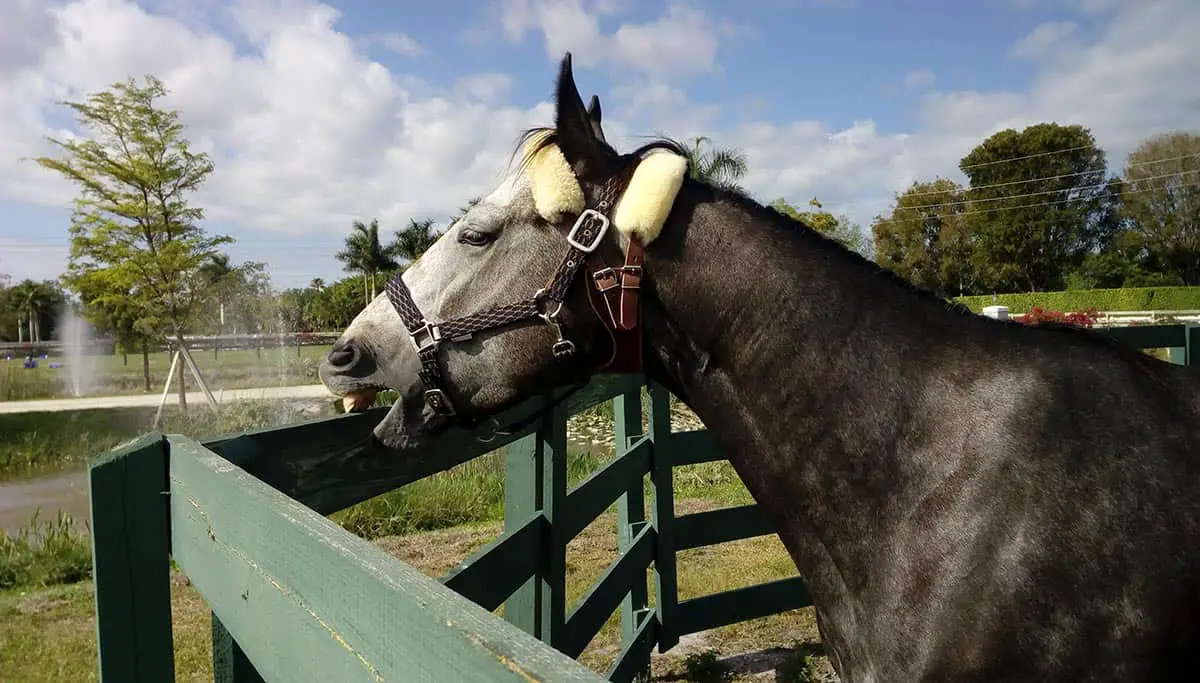
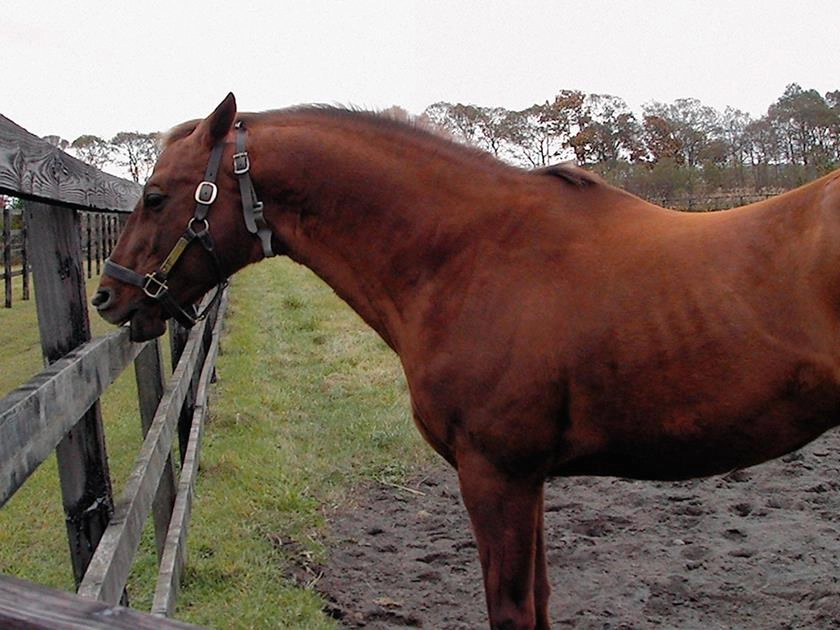
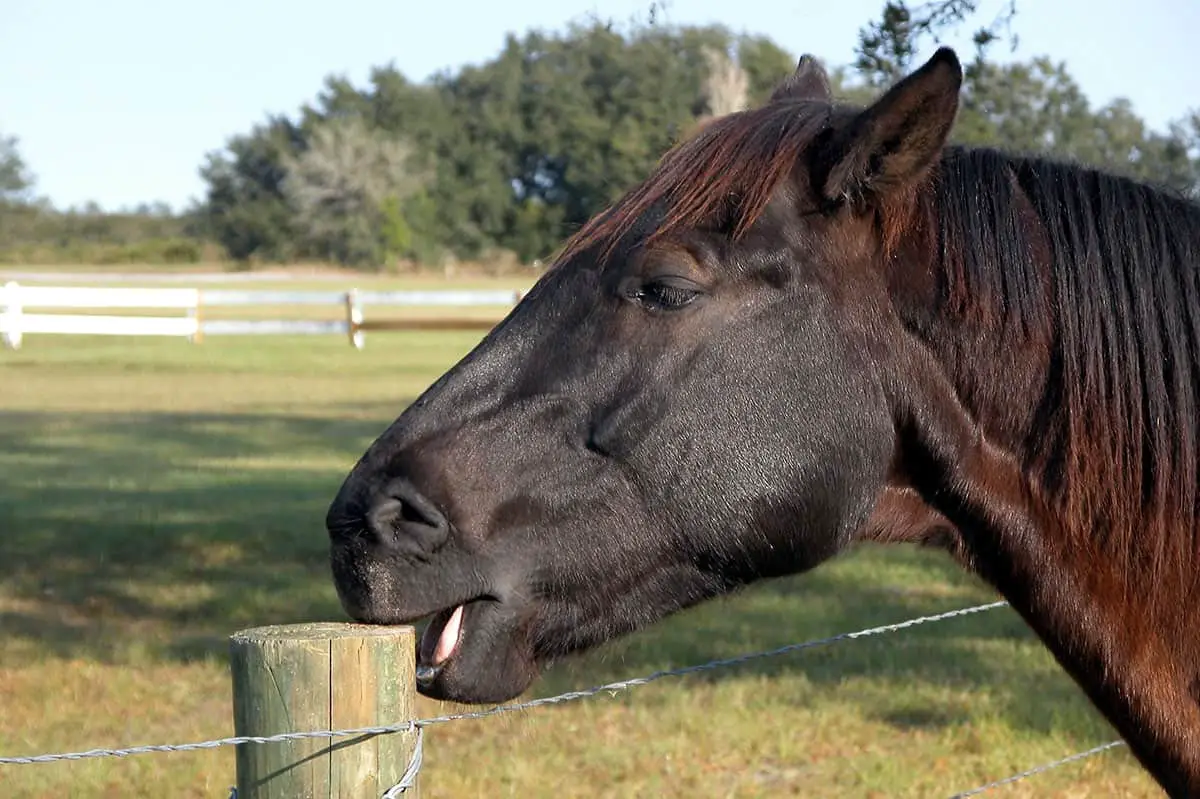
Cribbing is the functionless wind sucking behavior of horses. Some horses crib by biting on a hard object such as a fence post and swallowing a large amount of air. The behavior is associated with gasping sounds and grunting noises. The cribbing habit in horses is addictive and can be hard to stop unless you are equipped with the best cribbing collar.
Horses crib for a variety of reasons, including intestinal stress, boredom, or as an indication of lack of exercise. Cribbing collars are a reactive solution to the problem. To prevent your animal from picking up this behavior in the first place, it would help to identify the causative factor and implement accurate corrective measures.
It can be easy to confuse cribbing with wood chewing. The latter is harmless, with the horse often nibbling on trees and wooden posts. Cribbing, on the other hand, generates pressure in the animal’s digestive tract and leads to colic conditions. Cribbing also drags down a horse’s performance and leads to severe flatulence that inhibits their appetite.
How Can Cribbing Collars Help?
My racehorse was a longtime cribber, a behavior that I inadvertently let get out of hand. I tried several techniques; including changing diet and wearing him out with exercise, but the habitual cribber didn’t show signs of quitting. I always regarded cribbing collars as an extreme measure, but to let him crib would have been risking his health.
Cribbing collars can be unimaginably uncomfortable for horses. I learned that the hard way as I tried several options to find the best fit. Cribbing being a risk for colic (sometimes severe forms of colic that need surgery) requires immediate intervention. You will need to find the best cribbing collars that are not only comfortable and safe on the animal but also function as expected.
These neck and head straps help to keep the horse from flexing the neck in a cribbing fashion. He can feed and drink but not suck air into his windpipe. The devices use a metal piece that closes around the throat-latch. The leather strap pokes the pony whenever he tries to flex his neck.
The ideal cribbing collar should fit snugly around the
horse’s neck and behind his jaw. The belt should be wide enough to stop the
animal from flexing. Other factors to consider in a cribbing collar model include
ease of fitting and removal from the animal, slip-resistance, and the leather’s
durability.
These neck and head straps help to keep the horse from flexing the neck in a cribbing fashion. He can feed and drink but not suck air into his windpipe. The devices use a metal piece that closes around the throat latch. The leather strap pokes the pony whenever he tries to flex his neck.
The Best Cribbing Collars On the Market
Professional’s Choice the Dare Cribbing Collar
[amalinkspro type=”showcase” asin=”B07HMTD47P” apilink=”https://www.amazon.com/dp/B07HMTD47P?tag=horsesoup-20&linkCode=osi&th=1&psc=1″ associate-id=”” new-window=”1″ addtocart=”0″ nofollow=”1″ sc-id=”4″ imgs=”LargeImage” link-imgs=”false” stack-imgs=”false” specs=”Schutz Brothers~~~Can be positioned from either side of the horse~~~Does not need to be tightened as much as other cribbing collars~~~RD1240~~~” btn-color=”#ff9900″ btn-text=”View on Amazon” alignment=”alignnone” hide-prime=”0″ hide-image=”0″ hide-reviews=”0″ hide-price=”0″]Professionals Choice The Dare Horse Cribbing Collar[/amalinkspro]
The manufacturer describes it as a 3-dimensional throat
piece that supposedly works for all types of cribbers. This contraption uses a
1 3/4″ wide strap that could allow easy positioning without being too
tight. It also features stainless steel roller buckles that might help to keep
the collar in place for aggressive cribbers.
I particularly like the durable leather material used. It
can remain sturdy for many years and function optimally without excessive
tightening. That can translate to minimal rubbing and sores, and the humanely
comfortable experience that an owner would want for their horse.
Beware, though, that the collar loosens when the horse drops
its head to eat. The Dare Cribbing collar might, therefore, not work as
expected if yours is a low cribber.
Other things to watch out for include the paddock mates
chewing on the neck strap. With its hanging straps, other horses might mistake
it for a chew toy. With their tagging and chewing, the contraption will
probably overstretch and fail to work as expected.
Pros:
Fits snugly without rubbing the horse raw
Sturdy leather helps with durability
Easy to put on and take off
Cons:
Might not work for horses that crib on top boards
Encourages chewing and stretching by paddock-mates
[amalinkspro type=”showcase” asin=”B01FICSVQE” apilink=”https://www.amazon.com/dp/B01FICSVQE?tag=horsesoup-20&linkCode=osi&th=1&psc=1″ associate-id=”” new-window=”1″ addtocart=”0″ nofollow=”1″ sc-id=”4″ imgs=”LargeImage” link-imgs=”false” stack-imgs=”false” specs=”Unique throat design to keep the collar in place~~~Designed by Professional Horseman Rusty Dare~~~Stops even the worst cribbers~~~No rust stainless steel hardware; fleece sold separately~~~Size: 1 7/8 inches x 30 inches; adjustable; block is 3 inches x 5.5 inches~~~” btn-color=”#ff9900″ btn-text=”View on Amazon” alignment=”alignnone” hide-prime=”0″ hide-image=”0″ hide-reviews=”0″ hide-price=”0″]Schutz Brothers Rusty Dare Cribbing Collar[/amalinkspro]
The Schutz Brothers Rusty Dare is another notable cribbing collar in the market. It comes with a supposedly new throat design that the maker says helps to keep it in place. Unlike the Dare Professional Choice collar, this model is larger with dimensions of 1 7/8 inches x 30 inches, which allows for more adjustments.
The collar uses a single strap that can fit snuggly without the uncomfortable rubbing. Like the Dare Professional Choice collar, this gizmo features sturdy leather as well. Its maker has described the leather as ‘Western design and heavily built.’ It could thus be ideal if you are looking for a long-lasting solution.
There is a fluffy part for the headpiece that might make the
wearing the collar a less painful experience for your mare. It makes the
neckpiece a little softer, unlike many models that might cause sores.
Regarding functionality, its strap and buckle could help to prevent the horse from sucking wind, but every horse reacts differently to these things. Unlike the Dare Professional Choice’s 3D design, this contraption has a likelihood of falling out of place I’m thinking.
Pros:
It is made of sturdy leather
A fluffy headpiece helps to make the collar comfy for your horse
[amalinkspro type=”showcase” asin=”B00GD994AO” apilink=”https://www.amazon.com/dp/B00GD994AO?tag=horsesoup-20&linkCode=osi&th=1&psc=1″ associate-id=”” new-window=”1″ addtocart=”0″ nofollow=”1″ sc-id=”4″ imgs=”LargeImage” link-imgs=”false” stack-imgs=”false” specs=”Stops cribbing~~~Comfortable fit~~~Can be worn all day~~~Does not affect grazing, drinking or eating~~~” btn-color=”#ff9900″ btn-text=”View on Amazon” alignment=”alignnone” hide-prime=”0″ hide-image=”0″ hide-reviews=”0″ hide-price=”0″]Tough-1 Crib Be Gone Leather Collar Horse[/amalinkspro]
The cribbing collar design features traps that fit around the jaw and across the forehead. Thus, unlike the Schutz Brothers Rusty Dare Cribbing Collar, Crib Be Gone could stay in place for longer and help to successfully stop cribbing.
The manufacturer asserts that the collar only applies
pressure when the animal starts to crib. It can be worn all day, they say,
without affecting grazing and drinking. These features and functionalities are
standard to every other crib collar, but the leather is soft and can thus help
to prevent sores.
One issue you might have to put up with is the throat piece positioning. It doesn’t go all the way to the front, causing the leather to bend. In that posture, your horsey will still crib even with the neck-piece on.
Unlike the Professional’s Choice the Dare Cribbing Collar,
putting this contraption on the horse and taking it off might not be a smooth
process. You would need to shove the metal piece to prevent bending, and that
could spook the animal.
[amalinkspro type=”showcase” asin=”B004BQ1UBC” apilink=”https://www.amazon.com/dp/B004BQ1UBC?tag=horsesoup-20&linkCode=osi&th=1&psc=1″ associate-id=”” new-window=”1″ addtocart=”0″ nofollow=”1″ sc-id=”4″ imgs=”LargeImage” link-imgs=”false” stack-imgs=”false” specs=”Durable harness leather is gentle on the hair coat~~~Stainless steel hardware~~~The collar stays in place for maximum effectiveness~~~Made by Weaver Leather Mt. Hope, Ohio~~~” btn-color=”#ff9900″ btn-text=”View on Amazon” alignment=”alignnone” hide-prime=”0″ hide-image=”0″ hide-reviews=”0″ hide-price=”0″]Weaver Leather Miracle Collar[/amalinkspro]
Similarly to the earlier reviewed models, the Weaver Leather Miracle Collar in Display Box boasts of a soft and durable leather harness that could be gentle on your animal. The collar is designed to apply pressure only when the animal starts cribbing.
Its unique shape, the manufacturer says, is designed to be anatomically fit. That implies that this contraption could fit snugly without slipping or causing sores where it sits. You also get three size options, allowing you to find a size that works well for your horse.
The neck strap helps to keep the collar in place, while an
adjustable browband across the forehead applies pressure to stop cribbing.
Beware, however, that the browband strap tends to slip and slide over the ears.
The whole contraption loosens in the process enabling the animal to crib.
Pros:
Soft and sturdy leather strap
Designed for the horse’s anatomy
Cons:
Tends to slip off
The throat latch isn’t large enough; the horse may still crib even when strapped
Tough 1 Synthetic Poly Crib Be Gone Comfort Collar
[amalinkspro type=”showcase” asin=”B00E6Q68J6″ apilink=”https://www.amazon.com/dp/B00E6Q68J6?tag=horsesoup-20&linkCode=osi&th=1&psc=1″ associate-id=”” new-window=”1″ addtocart=”0″ nofollow=”1″ sc-id=”4″ imgs=”LargeImage” link-imgs=”false” stack-imgs=”false” specs=”Instantly stops cribbing~~~Shaped to comfortably fit around jaw with straps over crown and across forehead to securely keep collar in place~~~Applies pressure only when horse tries to crib so collar can be worn all day without affecting grazing or eating~~~” btn-color=”#ff9900″ btn-text=”View on Amazon” alignment=”alignnone” hide-prime=”0″ hide-image=”0″ hide-reviews=”0″ hide-price=”0″]Tough 1 Synthetic Poly Crib Be Gone Comfort Collar[/amalinkspro]
The Tough 1 Synthetic Poly Crib Be Gone Comfort Collar is designed to fit a horse’s anatomy, according to the product specs. It has a strap for the neck region and one across the forehead to keep the collar firmly in place.
The cribbing device applies pressure when the horse opens
its mouth to the crib, but the animal may be able to comfortably eat and drink
even with the harness fastened.
The collar leather material is said to be nice and soft,
which could be a welcome advantage, especially if your horse has a history of
soring under cribbing collars. The inside of the leather features some slight
padding to help achieve a cozy experience for your horse. The only major let
down here is that the leather tends to reap at the seams, rendering it functionless.
Pros:
Soft leather
Designed for the horse’s natural body shape
Cons:
It needs tightening to stay in place for low cribbers
The Schutz Brothers Rusty Dare Cribbing Collar stands out from the other reviewed products. It features a horse-friendly design that could also help to keep it in place during the animal’s movements. It’s larger dimensions allow for several adjustments to find a secure fit without having to acquire multiple pieces of the same collar.
The collar fits snuggly with its single strap helping to minimize rubbing. Its leather material is heavily built and sturdy. The cribbing harness might, therefore, serve you for long without giving way to wear and tear.
Another advantage of the Schutz Brothers Rusty Dare Cribbing Collar is its fluffy headpiece. The latter is a thoughtful inclusion, one would say, given the many models in the market that cause terrible sores on a horse’s neck. These features and more make the Schutz Brothers Rusty Dare Cribbing Collar a recommendable buy for your cribber.
In my years living and working around horses, I became well-acquainted with the tell-tale signs of cribbing: teeth marks on fence posts, chronic dental problems, and life-threatening colic. If you’ve ever seen a horse do it once, you’ll recognize the behavior right away from the arch of the neck to the specific grunting noise that follows. And if you’ve ever had to deal with the after-effects of serious injury or property damage, the sight is quite unwelcome.
Cribbing is nothing new, but that doesn’t mean it’s not still a big problem for both horse and rider. As a behavioral issue, cribbing often arises from boredom but can escalate into something more severe. The best method of curing cribbing is prevention, but there are some solutions available to horse owners who have to tackle this issue head-on.
What is Horse Cribbing?
Also called “wind sucking” or “crib biting,” cribbing is a form of stereotypic behavior that horses sometimes engage in. On the surface, it looks like wood chewing as the horse bites down on stable doors, fence posts or other wooden objects. However, the behavior is a bit different from simply chewing. What makes cribbing unique is the way the horse flexes his neck muscles after gripping the wooden object. This causes the animal to suck in a big gulp of air. You might hear a distinctive grunting sound when this happens.
Some horses will simply chew on the wooden surfaces in their stable or paddock without sucking air. Others may engage in wind sucking without the biting or chewing aspect.
Regardless of the exact form it takes, cribbing is a stereotypic behavior. This means that it’s repetitive and compulsive. Like a tiger pacing in the zoo or an elephant repeatedly swinging its trunk, cribbing is a repetitive behavior that only occurs in captivity. The underlying reasons for the behavior may include stress, boredom or loneliness.
Why Does a Horse Crib?
A horse may start cribbing for a number of reasons, including boredom, anxiety, confinement, stress, pain and gastrointestinal issues. What all of these risk factors have in common is that they cause distress. In response to this stress, a horse might engage in stereotypic cribbing behavior as a form of self-soothing or as a coping mechanism.
From the horse’s perspective, cribbing feels good. It produces a measurable physical effect in the body by slowing the animal’s heart rate, lowering cortisol levels and releasing endorphins. Cribbing an also boost saliva production, which may help to ease some kinds of stomach pain.
Because cribbing produces so many pleasure signals in the horse’s brain, the behavior can become addictive. This is why it can be extremely difficult to curb the behavior once it’s started. Just like a person who develops an addiction will modify their behavior and experience pleasure differently in order to seek that “high,” a horse who cribs may experience psychological and physiological changes that make the habit nearly impossible to break.
Myths and Misconceptions
Because cribbing is a common problem in horses and has been reported since the beginning of horse husbandry, many myths and wives’ tales surround it.
One common myth is that cribbing is a learned behavior. If you have one horse that cribs, the story goes, you will soon have a whole herd of them. This does not appear to be true. It’s very common to have several horses living together with only one of them engaging in cribbing behavior.
Instead, horses usually develop cribbing behavior due to a combination of environmental triggers and a genetic disposition. It has been shown that certain breeds, including thoroughbreds and warmbloods, are much more prone to cribbing than quarter horses and Arabians, although the exact reasons for this are still being studied.
Another common belief that turns out to be true, at least in some cases, is that cribbing can be caused by feeding too much grain. Horses whose diets contain mostly hay and pasture are much less likely to develop cribbing tendencies than those who frequently receive grain or sweet feed. If a freshly weaned young horse is immediately started on grain, the likelihood of cribbing goes up even higher.
What Health Risks Are Associated With Cribbing?
If cribbing feels good to the horse and has some physiological benefits, why should you stop it? That’s a question that often comes on the heels of “what is horse cribbing” from people who haven’t experienced it, and it bears consideration. On the surface, the behavior doesn’t seem like it should be especially damaging. Unfortunately, it can lead to severe problems.
The first and most obvious issue you might encounter as a horse owner is damage to property. Bite marks on any solid object within a horse’s reach aren’t much fun and can quickly add up to costly repairs. But it’s not just your barn that can sustain longterm, irreparable damage from cribbing.
Like most addictions, cribbing is self-destructive. It can cause physical injury to the horse who indulges in it. One major issue is air in the stomach, which can lead to potentially deadly colic. Bear in mind that horses can neither belch nor vomit, so trapped gas in the stomach can lead to rupture. Even if it doesn’t get that far, swallowing air can lead to discomfort, which in turn might encourage the horse to engage in more cribbing, thus making the issue even worse.
Another common problem with cribbing is tooth damage. Because the horse will frequently grab or clamp down with the incisors, these teeth can wear down more quickly than the rest of the teeth. This can cause uneven dentition and mouth pain as well as difficulty with grazing. Left unchecked, these teeth issues can result in malnutrition.
In some cases, a horse may become so addicted to the cribbing behavior that he stops eating or engaging in other healthy activities. The cribbing obsession becomes all-consuming, even causing behavioral issues and distractions while riding.
How to Stop Your Horse From Cribbing
Cribbing cannot be cured entirely, but there are steps you can take to reduce the behavior and limit the damage it might cause. Different methods of deterrant will work for different horses, so you may need to experiment to find the right solution for your needs.
Behavioral Modification
If a horse is cribbing primarily from boredom, giving the animal more stimulation can help to curb the behavior or keep it from becoming entrenched:
Provide plenty of opportunities to roam freely. Horses on open pasture, especially those who have a buddy or two, are much less likely to develop cribbing behavior.
Frequent exercise can help to keep the horse stimulated and prevent boredom. If you can’t ride him frequently, work with him on the ground or in an indoor arena. A busy horse is a happy horse!
Invest time in training. Horses are smart, and putting their brains to work can keep them from getting themselves in trouble. Ground manners, trick training, and even complicated dressage moves are all great for keeping a horse’s mind and body occupied.
Offer toys for mental stimulation. If your horse must spend time alone in a stall or paddock, give him something to do that will occupy his mind and body. Commercially available balls and puzzles are available in many feed and supply stores. You can even make your own treat-dispensing toys with an old milk jug or other recycled materials.
These behavioral modifications are most effective as preventative tools rather than a treatment for a horse who already has an established cribbing habit. Also please note that these behavioral modifications won’t help if the horse’s underlying reason for cribbing is due to pain or stress as opposed to boredom or loneliness. You’ll also want to rule out physical maladies and treat any ailments right away before the horse starts to develop his own coping mechanisms.
Environment Modification
If you can’t prevent cribbing before it starts, the next best thing is to make it inconvenient or physically difficult for the horse to engage in that behavior:
Cribbing collars and muzzles physically restrict the horse’s movement, preventing him from engaging in the flexing necessary to gulp air. This is a good temporary solution, but most cribbers will resume their behavior as soon as the collar is removed.
A slow feeder to deliver hay can be a useful way to distract the horse and keep him occupied so he won’t engage in cribbing. Feeding hay through a net or mesh feeder forces him to take his time eating, which might be a more appealing option than cribbing if the habit is not yet fully ingrained.
Metal chew guards, foul-tasting deterrent sprays and even electric fencing can all ward a horse off of chewing on particular parts of the stable. Bear in mind that a horse can still suck wind on his own without chewing wood, so a determined cribber may find a way around these tactics. This can at least curb some of the material damage to your barn.
Surgical Correction
One extreme solution to cribbing is a surgery called Forssell’s procedure. In this surgery, some of the horse’s neck muscles or nerves are cut, making the cribbing flex impossible. This effectively acts as a permanent cribbing collar.
The technique is effective, but it comes with the same risks as any major surgery, and it does nothing to treat the underlying issue. A horse may move on to engage in other damaging or stereotypic behaviors as a way to cope with environmental stress.
Holistic Treatments
Some horse owners may find that certain holistic treatments are effective in curbing unwanted behaviors such as cribbing.
Herbal supplements to calm the horse or to ease stomach pain and ulcers can be effective in some cases. Antacids can help to prevent cribbing if digestive upset is at the root of the behavior.
Other holistic or supplementary treatments such as acupuncture, craniosacral therapy, and even reiki can be employed, although their effectiveness has not been widely studied.
In Conclusion
Cribbing is a complicated behavioral issue with many underlying causes. Because this behavior is difficult or impossible to fully eradicate once it’s been established, your top priority as a horse owner should be prevention. If you do struggle with a cribber, know that behavioral and environmental modification can help to minimize the damage and protect your horse’s health. You may never fully stamp out the behavior, but you can help ensure that it stays as a personality quirk rather than a damaging addiction.
The worst part of taking your horses out on the trail or to the arena has got to be hooking your rig up to your trailer. But, there is something to take a bit of the headache out of hooking your rig to your trailer and that is the electric trailer tongue jack. Here is our list of the best electric trailer jacks.
We will be reviewing the following jacks.
[amazon table=”2054″]
What is the Need for an Electric Trailer Tongue Jack?
First off, why do you need an electric trailer tongue jack when you can use the manual one that is already on your trailer? The answer is in the old saying, work smarter not harder. Sure you can use a manual jack, but those can be cumbersome and call for elbow grease.
The electric jacks may be a godsend for those suffering from arthritis and other diseases or injuries that make it impossible for them to hook their trailer up to their rig with a manual jack. When I broke my collar bone I had to rely on others to crank our jack up so that we could get the trailer hitched up to our rig. For me this was a headache because it was something I was used to doing myself and it was hard to ask for help. An electric trailer jack would have been wonderful to have in this case
Best Way to Use an Electric Trailer Jack
The best way to use an electric trailer tongue jack is by installing it onto your trailer and simplifying the process of hooking it to your rig. Your trailer should be empty of horses or other livestock before hooking it to your rig, but once it is hooked on you can load your animals and be on your way.
When buying a jack there are some things that need to be taken into consideration like your trailer’s tongue weight and the quality of the electric trailer tongue jack. You need to make sure that you are buying something that will work for your situation
What To Look For
There are some things to be aware of when buying an electric trailer tongue jack. First off, how much does the tongue of your trailer weigh? This will determine how much weight your jack needs to handle. The other thing that needs taken into consideration is the quality of the jack. There is no sense in investing in something that will not last, so make sure that whatever you go with has good reviews and quality features that you will need.
Advantages and Benefits
The advantages of having an electric trailer tongue jack installed on your trailer is that they can reduce the time it takes to hook your trailer up to your rig, there is no elbow grease involved, and it makes the process go faster. Also, people who struggle with a manual jack can operate an electric trailer jack without a problem.
Some electric trailer tongue jacks come with a manual option in case there is a malfunction with the electric part of the jack. There are also some jacks that come with a remote and LED lights on the jack itself to make hooking it up that much easier.
The cost and installation of an electric trailer tongue jack can be a deterrent for some people. Generally these jacks run around $100 and take some skill and the use of tools to install. For those who do not have tools or the know how it may be best to hire someone to install the jack for you, but that does come at a cost depending on the person who is installing it.
Prerequisites to Using an Electric Trailer Tongue Jack
Before purchasing an electric trailer tongue jack you need to make sure that you meet the prerequisites that are required. First off, you need to ensure that the tongue of your trailer has the right set up to support the electric jack. Next, you need to know the weight of your trailer’s tongue so you know what size of jack your trailer needs. Then, you need to figure out how you will be powering your jack. Finally, you need to know how to install it or find someone who can do it for you. If you are planning on installing it yourself here is a helpful video that explains and shows the installation process of an electric trailer tongue jack.
Electric Trailer Tongue Jack Reviews
RAM 3004.5068 White 3,500 lb. Electric Trailer Jack
This jack is very sturdy and makes for quick work lifting your trailer up and down on the hitch. Very easy to install and comes with a one year warranty. Little slow, but has more than enough power to get the job done.
Features:
LED light for hooking up at night
7-1/2” drop leg
Steel Gears
Crank Handle For Manual Override
Setup For 12V Battery Use
Installation Level Of Ease:
Requires Some Skill
Requires The Use Of Tools
Pros:
LED light makes it easy to see what you are doing at night
Has a 7-1/2” drop leg
Can be used manually if needed
Steel gears for longer life
Hooks up to your trailer battery
Cons:
Does not have a remote
Only 1 LED Light
[amazon fields=”B00DRK7O18″ button_text=”Buy On Amazon” value=”button”]
GoPlus 3500 LB Electric Trailer Jack
This jack is easy to install and has 2 led lights which is a nice feature. Well built and quite sturdy. Lift is a bit slow but does the job. Real good jack for the price
Features:
Steel Gears
Standard 3 bolt installation
Powered by 12V outlet
Water seal switch
Crank handle for manual override
Foot pad
Installation Level Of Ease:
Requires Some Skill
Requires The Use Of Tools
Pros:
Steel gears for longer life
Installs on most trailer toungues
Powered by 12V battery
Switch is sealed against water
Dual LEDs for ease of night use
Manual crank ability
Foot pad
Cons:
Does not have a remote
Lifting can be slow
Rounded bottom plate
[amazon fields=”B017D8QT8S” button_text=”Buy On Amazon” value=”button”]
Lippert Power Tongue Jack
Very easy to install and jack runs quiet and very smooth. A little slow, but in a hot Summer that added minute or two is well worth the saving of sweat 🙂
Features:
4 LED lights
Helical cut gears
Crank handle for manual override
Powers off trailer battery
Installation Level Of Ease:
Requires Some Skill
Requires The Use Of Tools
Pros:
Gears make operation very quiet
Rocker switch improves durability
Powered by 12V battery
Has 4 LED lights
Cons:
Does not have a remote
Lifting can be slow
[amazon fields=”B00JMHHF9Q” button_text=”Buy On Amazon” value=”button”]
Husky HB4500 4500 lbs. Brute Power Jack
The highest capacity electric jack of the roundup. Very robust and powerful. Installation can be a little tough and makes sure to pay attention to the instructions. Will need to purchase some connectors for the wiring.
Features:
6″ drop down leg
Steel gears
3 sided LED light system
Fits A frame tongues
Built in connector storage bracket
Ball screw design
SmartStop technology
Installation Level Of Ease:
Requires Some Skill
Requires The Use Of Tools
Pros:
SmartStop technology will stop the jack if there is to much weight
Ball screw design lengthens the life of the jack
Steel gears give the jack a longer life
Fits most trailer tongues
Can connect to the trailer’s battery
3 sides lit up by LEDs
Cons:
Does not have a remote
Installation can be diffucult
[amazon fields=”B004OK77L2″ button_text=”Buy On Amazon” value=”button”]
Bulldog Reese 500200 A-Frame Power Jack
Very easy to install. Literally can be done in minutes. The drop leg can be lowered and raised manually and held in place with the supplied plunger pin kit. Lights to see at night are really nice
Features:
8″ drop leg
Single axis level
Manual override
3 LED lights
5 year limited warranty
Installation Level Of Ease:
Requires Some Skill
Requires The Use Of Tools
Pros:
5 year warranty which is the longest of all the jacks in our review
8″ drop leg
You can level it
3 LED lights for hooking up at night
Manual crank for emergency situations
Cons:
Jack does not have a remote
Power supply not specified
[amazon fields=”B011KQXVX0″ button_text=”Buy On Amazon” value=”button”]
Quick Products White JQ-3500W Electric Tongue Jack
This jack is rated at 3650 lbs and has water resistant electrical components. Comes with a waterproof cover fuse holder. Easy to install, but you’ll need to get mounting bolts and nuts. Jack lifts pretty fast. Jack doesn’t ground itself, so you’ll need to ground it to the trailer
Features:
Fits all A frame trailer tongues
1 LED light
Manual crank ability
Built in level
1 year warranty
Oversized footplate
Steel gears
Installation Level Of Ease:
Requires Some Skill
Requires The Use Of Tools
Pros:
1 year warranty
Fits most trailers
Manual crank for emergency situations
Ability to level
Footplate is oversized
Steel gears for longer life
1 year replacement warranty
Cons:
Does not have a remote
Only 1 LED light
No Drop Leg
[amazon fields=”B00B9J21QW” button_text=”Buy On Amazon” value=”button”]
The Winner Is:
Our top choice of the jacks we reviewed is the Bulldog Jack. This jack has the highest tongue weight rating as well as the longest warranty and some extremely useful features. You may find other jacks that fit your bill better than this one, but for us this is the jack that gives you the most bang for your buck.
You load your horse in the trailer and get on the road, but what the heck is your horse doing back there? That is a question many horse owners have asked themselves for years. To answer this question many horse owners have installed horse trailer camera systems in their horse trailers.
There is a wide variety to choose from when it comes to horse trailer cameras. From baby monitors to home security cameras to cameras marketed specifically as horse trailer cameras, the options that people use are almost endless.
These are the trailer cameras we will be reviewing:
[amazon table="2036"]
What is the Need for a Horse Trailer Camera?
First off, having a camera in the trailer with your horses would obviously enable you to see what is going on in the horse trailer. Many horse people have pulled over to check on their horses after feeling movement in the horse trailer as they were driving, only to find that all is well in their horse trailer. This is nuisance as it takes up time to stop the rig and get it going again. Other times though people get to their destination only to find their horses and trailer in disarray.
It is true that the vast majority of the time you and your horse will get from point A to point B without an issue, but every once in a while, horses become a liability to themselves or things happen on the road. This is where the horse trailer camera would become an asset in preventing or stopping further injury to your horses and damage to your trailer.
What Type of System Do You Need?
The type of horse trailer camera system each person needs varies. For the most part though, there are many wireless camera and screen systems that will do the job. Some things to take into careful consideration are the durability of the camera, camera night vision, reception distance, wireless or wired, and price.
Camera Durability
Not all cameras are created equal. That being said, a baby monitor camera will not hold up to the abuse that an actual horse trailer camera will hold up to.
Camera Night Vision
Horses are not always transported at night, but when they are, what good will your camera be if it doesn’t have night vision capabilities?
Reception Distance
How far is your cab from where your camera will be? Not everyone will need 100 feet of optimal wireless reception, but the measurement from cab to camera needs to be taken into account before purchasing a system.
Wireless or Wired
It is much easier to install a wireless horse trailer camera system than a wired one. Wireless systems may have a higher cost, but you also need to figure in the value of your time and extra materials for installing a wired system.
Price
As with many things in life, budget drives choice. Don’t buy a system that you can’t afford.
What Horses Would Benefit from a System?
Depending on the horse and the situation, a horse trailer camera system could be very beneficial for added safety during transportation. One example would be hauling a stallion with a few mares; by having a trailer camera system in place you would be able to monitor how the horses are doing inside the trailer and decide if any adjustments need made for the safety of the horses during transportation. You could also use it while you are going on a road trip with your horses to watch their overall health throughout the trip.
We Review The Best Horse Trailer Camera Systems
Tadibrothers 7 Inch Horse Trailer Monitor with Wireless Mounted Backup Camera
This system has a 120 degree angle view and is waterproof along with auto night vision. A very tough built camera and wireless.
Iball 5.8GHz Wireless Magnetic Trailer Hitch Rear View Camera
The IBall Digital Pro Wireless Camera is a quick and easy install and a great way to be safe when hooking up your trailer, or checking out to see what your horses are doing while on the trip. Very versatile camera with great range while being sturdy.
The Swift Hitch Camera System is a low profile and highly portable camera system you can use with your smart phone. Quickly install and sync with your phone for easy transmission anywhere you need.
Out of the horse trailer camera systems we reviewed our favorite is the Yuwei Camera System. Having to tap the camera into the trailer wiring is a double-edged sword in that it is harder to install, but that means it won’t run out of power. This system also has the longest warranty life out of all the camera systems we viewed, which shows us that the company stands behind their product and its durability. Also, being able to use 4 cameras with the screen is something else that could give you more eyes on your horses. You don’t have to choose this particular system, but for us it is the best choice.
The answer is SPRING! You let your horse out on that lush green grass.
Horses love lush green grass but alas along with that grass comes trouble in the form of equine metabolic syndrome symptoms. Watching your horse walk into the barn all stiffened up or not moving at all is heartbreaking. I realize “Founder” can be caused by overweight or getting into too much feed but Spring green grass can be a major cause. But you say horses are made to eat grass and they love it. Yes, BUT………..
What Is Laminitis?
What happens is a condition very similar to Type II Diabetes. EMS leaves tissues less sensitive to insulin, which in turn causes the pancreas to produce more of this vital hormone. One dangerous disease that often results from EMS is Laminitis.
It’s the the high sugar content in the grass that signals the body to produce more insulin. The best and only way to avoid this is not putting your horse out on grass at all when it is growing fast.
Some say not at all until grass matures up. If there is a dry spell and then it starts raining again and the grass starts growing fast treat this the same as that first spring grass.
When a horse starts to show signs of Laminitis until this point in time there has not been any positive way to stop the progression. In the simplest terms, Laminitis is the inflammation of the laminae within the horse’s hoof. Each hoof includes 550 to 600 primary laminae, each with 150 to 200 secondary laminae.
These tissues offer shock absorption during locomotion, holding the coffin bone in place and supporting the horse’s entire body weight against gravity during movement. When the laminae become inflamed, they fail to support the coffin bone.
The horse’s continued weight-bearing and movement can cause the coffin bone to rotate within the hoof or to sink toward the ground. The former occurs when laminae near the toe fail; the latter happens when the laminae throughout the hoof break down, a case commonly referred to as a “sinker.” Both can result in the coffin bone protruding through the sole.
Treating Laminitis
Regardless of whether the coffin bone remains in the hoof capsule or penetrates the sole, laminitis causes a painful, debilitating, and potentially deadly failure of basic hoof function. It is an absolute nightmare for both horse and owner.
Many years ago a man by the name of Bernie Chapman made the heart bar shoe very popular although I was taught to make and use one 20 years before that. A heart bar shoe places pressure on the frog area with a V shaped metal piece about the size of the frog.
There are remedies that have been used like putting the horse’s feet into cold water or removing blood with a syringe out of the vein and injecting into the muscle. The goal was to get blood flow down to the horse’s feet. Results are not conclusive however.
Leather is added between the metal piece and frog. When the shoe is nailed on it will put pressure on the coffin bone via the frog to help stabilize the coffin bone.
The Adjustable Heartbar Shoe
The problem I had with the heart bar shoe is getting enough pressure on the coffin bone to make it just right for the comfort of the horse because too much pressure would make the pain worse. Too little pressure wouldn’t do any good.
I made an adjustable heart bar shoe that had the heart bar hinged and then welded a bar across the shoe a third of the way down from the point of the heart bar. Once leather was added to the heart bar and the shoe was set in place the set screw I put in the welded bar could be adjusted to put pressure on the heart bar.
I adjusted the V shape piece heart bar by tightening the set screw and putting just enough pressure on the frog to relieve the coffin bone which is trying to come through the bottom of the sole.
I could tell by the way the horse would hold his leg when I held it up that when I would turn the set screw putting more pressure on the coffin bone via the frog the horse would pull his leg as the pain increased. When I backed off on the set screw until the leg relaxed then I knew it was just right.
As the hoof grew pressure could be kept constant by adjusting the set screw. By keeping the pressure on the coffin bone it allows the hoof to grow properly instead of curling up. With just the heart bar shoe this could not be done.
In later years I seldom used the heart bar. I would cut and rasp the front of the hoof as far back as possible without drawing blood and then put a regular shoe on backwards. This would let the hoof break over much easier taking pressure off the coffin bone. I would always use leather Treadpads whenever possible to protect the bottom of the foot since the sole was very thin and extremely tender.
Treating Horse With Laminitis
I received a call from a farmer whose daughter’s horse had foundered. The coffin bone on this horse was through the soul on all four feet and fluid was coming out the bottom of the hoofs. The veterinarian had been there and wrapped all 4 feet but the horse could not stand and was in extreme pain.
My first thought was “NO WAY”. I did however manage while the horse was laying down to get 1 foot trimmed and a pad and shoe put on backwards. Not an easy job for me or comfortable for the horse.
The next day the farmer called and said the horse was up and standing on the shoed foot. I went back then and got the other front shoe on. I decided not to do anything with the hind feet at the time. The next day I went back and the horse was standing on both feet and moving a little.
We discussed keeping the horse only on dirt and fenced in with no grass anywhere in site. The road back was a long one. The first 6 months were hard on the horse with the retrimming and shoes but gradually he started getting better. After a year the daughter wanted to try riding him a little and by a year and a half they were flying down the trail.
I saw the veterinarian one day and he said he wanted to euthanize that horse the day he saw him. Was so good to see both horse and girl happy and running around again. It’s amazing how one horse with Laminitis that bad could return to health when others you don’t think are that bad can’t seem to get better.
New Treatments Options
Infrared and vibration therapy are relatively new to the Equine industry. There are indications they can help with a number of equine problem including Laminitis.
Vibration Therapy
EQUIVIBE states it is the first equine therapy plate in the United States that aids in the performance, rehabilitation and the prevention of injuries. “EquiVibe Therapy works well for both young horses and horses in need of rehab. The vibration is proven to increase bone density and circulation while at the same time reducing muscle soreness and inflammation.
For young horses, the EquiVibe helps with bone density by stimulating the periosteum to lay down more bone. The vibration therapy also promotes faster hoof growth which can be helpful in the management of chronic Laminitis, under-run heels, or thin soles.”
Infrared Therapy
Infrared is another form of therapy that may hold some promise for helping with Laminitis. Photonic Health is a site that describes how infrared treatments can prove beneficial in the treatment of Laminitis
The Choice Is Yours
Over the years I have had success in treating other horses with Laminitis using both methods I described above. The best hope for horses with chronic Laminitis is to make them comfortable by keeping the length of the toe as short as possible and rasped off. This debilitating problem and the number two killer of horses that we have struggled with for years continues to baffle us as we look for ways to cope and cure.