Should You Wear Shorts Horseback Riding – Pros And Cons

Wear Shorts Horseback Riding

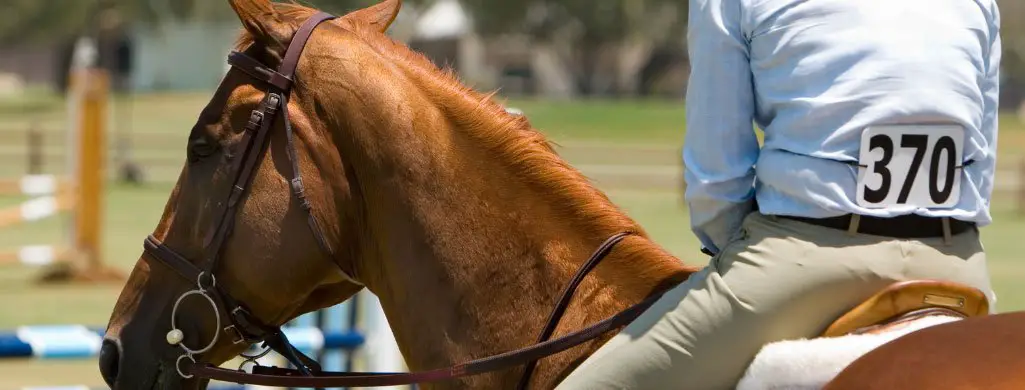
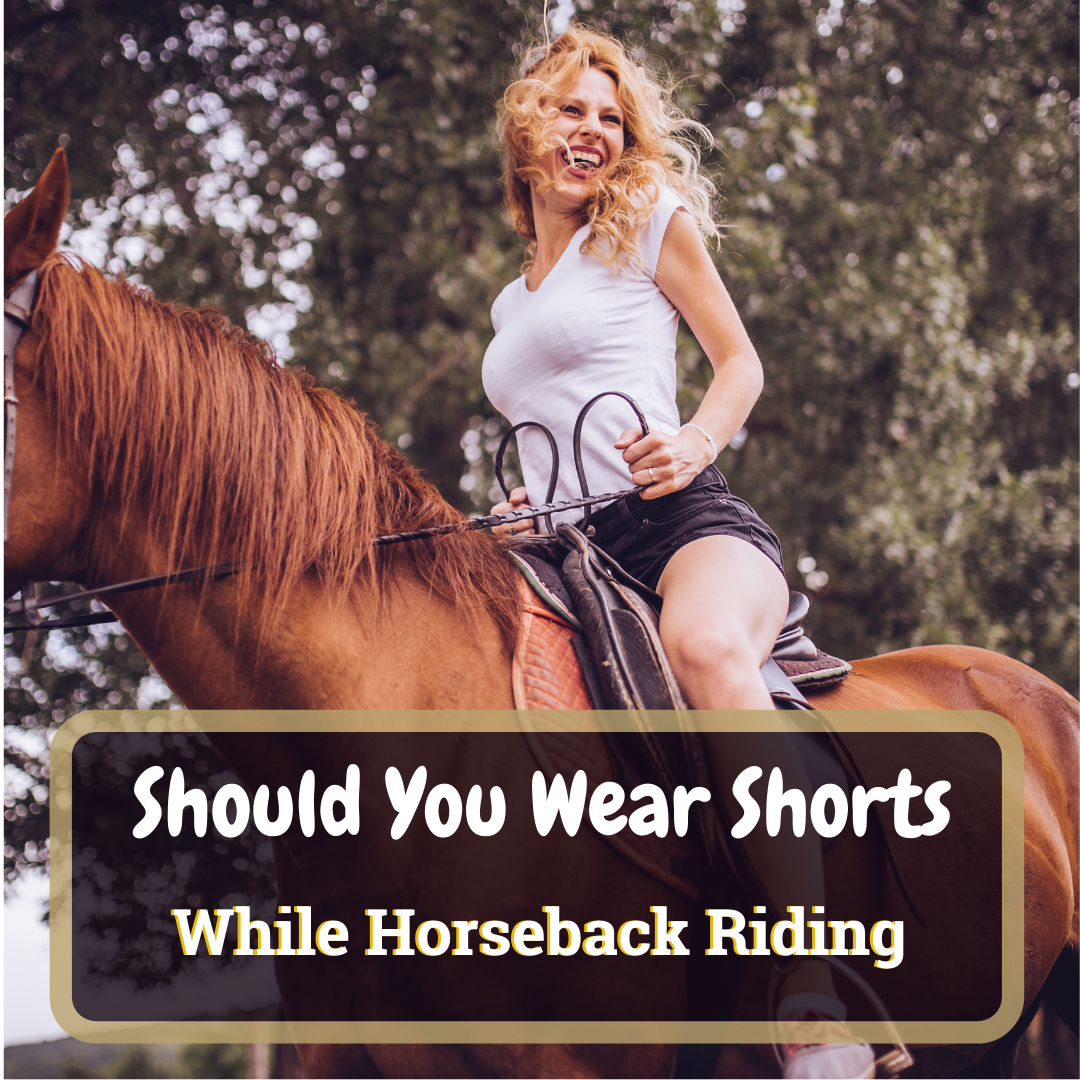
Yes, you can wear shorts horseback riding. For example, if you just want to go for a quick dip in the water bareback. Although in most cases, riding with jodhpurs, breeches, tight-fitting jeans, riding tights or even yoga pants/leggings will be far more suitable and beneficial.

Of course, this depends on what type of horse riding you are planning on doing. Outride, jumping, or going for a dip? In most instances, I wouldn’t recommend wearing shorts.

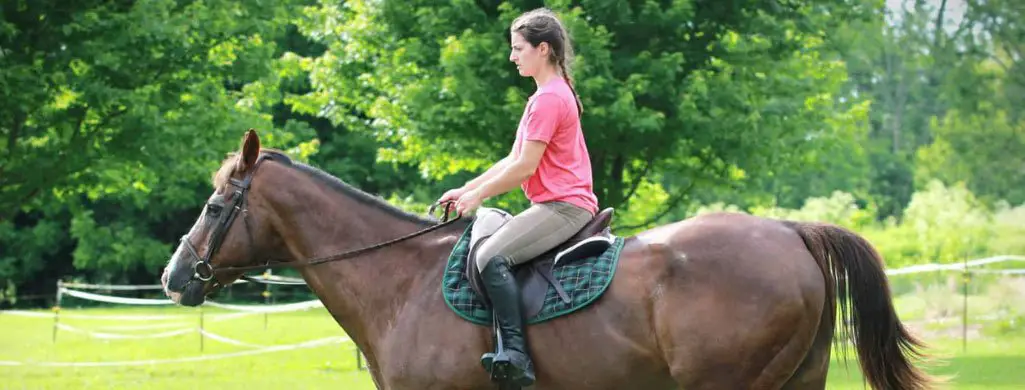
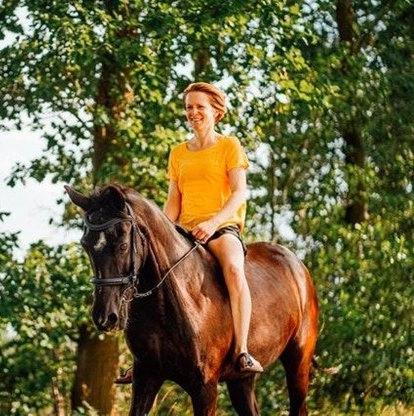
There are some riders that enjoy riding their horse while wearing shorts and a lot of them have no problem with it. They are usually more experienced riders and so they know how to control their legs in a way that won’t chafe against the sides of the horse.

One Advantage Of Horseback Riding in Shorts:

If you are going for a run on the beach or doing something involving water, going for a swim in a nearby lake perhaps, it’s faster to dry than long pants and a bit cooler but that’s about it.

Another example of when it would be ok to wear shorts on horseback: When you just want a few good photos with you and your horse. None of the disadvantages of wearing shorts will impact you if you just walk in circles for some photos.

When Do People Horseback Ride With Shorts?

Here are some examples of when riders choose shorts for horseback riding:

When you experienced enough to do so without being uncomfortable

You can get used to casually riding your horse wearing shorts, the more you do it, the more comfortable it will feel. Some riders prefer it mostly just for casual short rides.

When you go for a very short ride

It would be best to keep the riding time down to a minimum and try to stay close to the farm so that you can get back quickly if you get uncomfortable.

When there aren’t any obstacles

It’s best to avoid wearing shorts when performing any jumps because of all the vigorous movements you need to endure with the horse. With the way that you control the horse with your legs, especially with jumping, it’s just better with riding pants like the ones further down in this article.

When you go for a quick dip in the water nearby

Sometimes it’s a treat to go for a dip in the water nearby. This is one of the times where I think it’s great just to go bareback and perfectly fine just to wear shorts. They won’t get heavy with the water and they’ll dry quickly as well.

When it’s very hot

Sometimes you just need a little more open air on your legs to cool you down. Remember to use sunblock to protect your legs.

When you just want a few photos with you in your shorts on your horse

Maybe you just want to hop on your horse with your shorts on and have someone take a few photos. I don’t see any cause for concern with this.
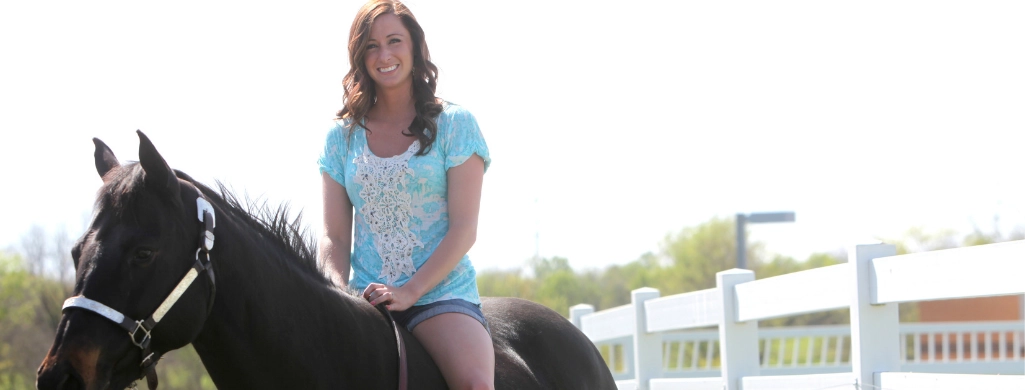
Horseback Rider Shorts

Disadvantages of Horseback Riding in Shorts

Rash, blister, and pinching:

For less experienced riders you’ll most likely land up with a bit of a rash, sometimes even some blistering, and if you saddle up your thighs are probably going to get a few good pinches between the stirrup straps throughout the ride.

Sunburn:

With short pants, your legs will be exposed to the sun and you can get burnt very quickly. Apply sunblock, even if you have to buy some on the way.

Burning Saddle:

The leather of the saddle can also heat up rather quickly and burn your skin sometimes. So, for the most part, there’s not much good to say about riding a horse wearing shorts.

Sharp bushes and branches:

We can’t even suggest wearing shorts for an outride. Your legs will be so much more exposed to all sorts of sharp branches from bushes and trees. Bugs will have an easier time feasting off your legs.

When in doubt, ask.

It really is up to you, however, if you are not riding your own horse on your own land, check with the owners or renters on whether they will allow shorts to be worn. Some places won’t let you ride in shorts. Short pants have no place in the competitive equestrian scene.

Tips for Horse Riding in Shorts

Ok so at this point you have seen all the pros and cons but you still want to or maybe need to ride your horse wearing shorts. Maybe you just want a few good photos out of it. That could work. Here’s my advice:

  • Don’t go out for any lengthy rides
  • Use sunblock on top of and on the sides of your legs
  • If you start feeling skin irritation, call it a day, it will only get worse
  • Be careful not to get pinched between the stirrup straps and the saddle
  • If you are capable of riding bareback, rather do that in shorts so that you don’t get pinched and burnt by the saddle.
  • No matter which pants you wear or don’t wear, ALWAYS wear proper riding boots with heels. (More important than the pants)
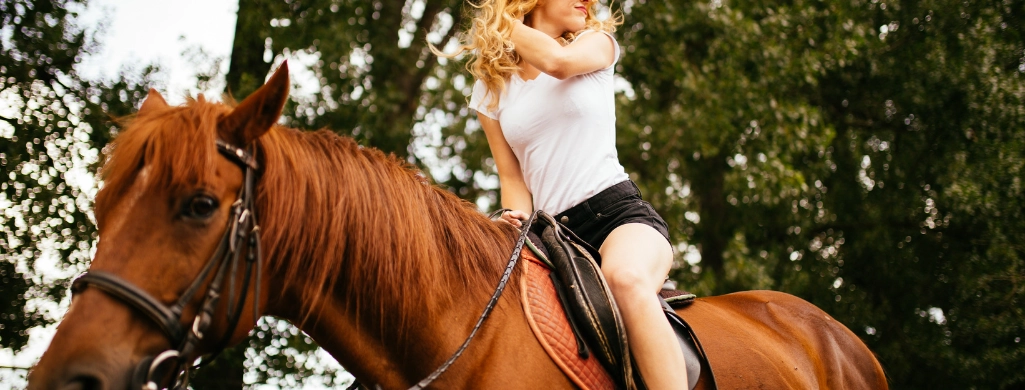
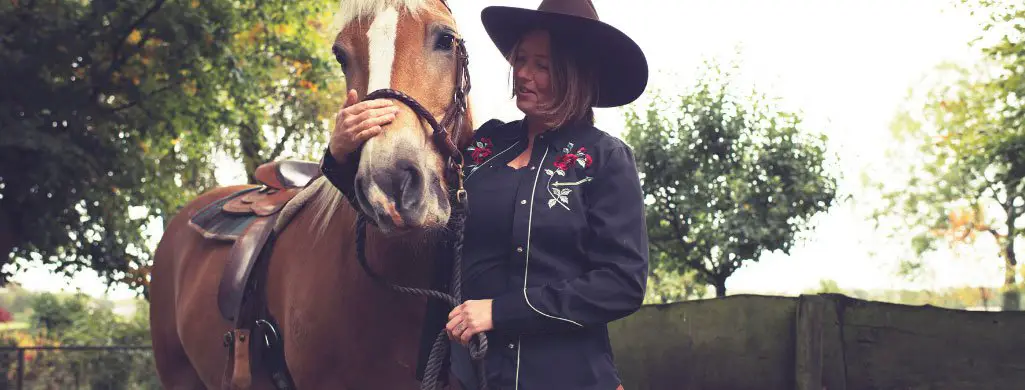
Horseback Rider Wearing Shorts

Quick Tip on Casual Clothing:

Don’t wear any flowing clothing while horse riding or anything that has any freely hanging laces or straps.

Why Wear Jodhpurs, Breeches, or Riding Tights?

There is a reason why long pants are the preferred choice of riders in general and why it’s the ONLY choice in the professional horse-riding scene. It’s because of how well they work for horse riding.

These types of riding pants are tailored specifically for horse riding so they often have extra padding, they are stretchy for comfort and the seams of these types of pants are offset so that they don’t cause irritation between your legs and the horse.

Advantages of Jodhpurs, Breeches, and Riding Tights are as follows:

  1. Protection for your legs from sunburn.
  2. They will protect your legs from chafing or even blisters.
  3. They will prevent any pinching of your legs around the saddle and straps.
  4. They will guard your legs against bugs and other insects.
  5. They will keep your legs from getting scraped and scratched against bushes and tree branches.
  6. They give you more leg control on the horse without any discomfort.
  7. You will be able to go out for longer riding sessions.
  8. Certain jodhpurs and breeches will have extra padding on the areas that go through the most friction for a more comfortable ride.
  9. The seams are offset so that they don’t cause discomfort between the horse and your leg.

Jodhpurs

Jodhpurs, the little more casual choice, go all the way down to the bottom of your ankle and are usually folded up for the perfect fit. Some jodhpurs have a stirrup at the bottom to wrap around your foot to prevent them from riding up to your ankles.

Some jodhpurs also have extra padding on the inner leg section to make riding more comfortable. Jodhpurs stretch with the movements of your body, making everything feel better. The seams are offset away from the horse’s body to avoid chafing.

Jodhpurs are very well suited for children and beginners of all ages because of their ease of use. You put them on and they stay in place from start to end. Most of the time.

Breeches

Breeches, the little more formal choice, are very similar to jodhpurs in that they are also stretchy for comfort, more often they have padding where it counts. Breeches usually don’t have a stirrup at the bottom, but they fit tightly around the top of your ankle. The further to your ankle the breeches go, the more narrow they become making them fit snugly around the bottom of your leg.

Riding Tights

Riding tights have become very popular amongst all riders over the last decades. They are very flexible and quite durable. You don’t have to fasten them at the top. Riding tights are available in many designs.

Bonus Tip, Wear Proper Riding Boots

Wearing proper horse riding boots is one of the most important things you can do. More important than whether you want to wear shorts on a ride. Have a look at the most
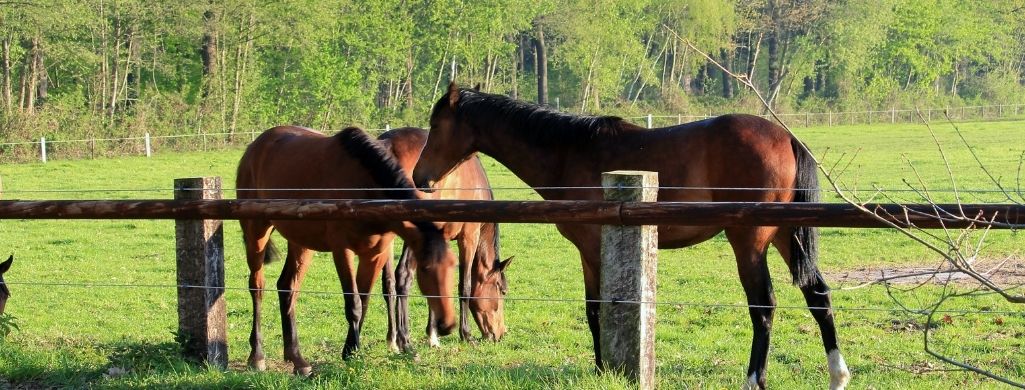
Can Horses Live on Grass Alone? Healthy Eating Guide for Horses

Can Horses Live On Grass Alone
Can Horses Live on Grass Alone

Surely if there are wild horses out there living off pastures of grass, domestic horses can live on grass alone as well?

So can horses live on grass alone? In short, yes, all horses can live on grass alone. Healthy grass for grazing needs to be rich in nutrients to keep a horse healthy. Optimal levels of Nitrogen (N), Phosphorus (P), and Potassium (K) need to be present in the grass. Some areas don’t have enough protein available.

If you’re planning to feed your horse off grass/pasture alone, we HIGHLY recommend you read further down to know if the pasture is suitable for sustaining a healthy horse.

If you’re going out riding, jumping, and doing other fun equestrian activities, you should be feeding your horse more than just pasture grass.

These extra activities require a lot more energy than simply walking around all day grazing the open pastures and so you will need to assist your horse in receiving extra energy with concentrates listed further in this article.

How to Know if Your Grass/Pasture is Big and Healthy Enough for Your Horse to Live off

Check Size:

Generally, if you have a pasture between 2 and 4 acres large it will suffice for 1 horse grazing daily. If it’s less than 2 acres, you will have to maintain the pasture through extra watering, fertilizing, etc. (You can measure your pasture size with Google Earth, just follow the link to measure your pasture size.

Soil Test:

All the forage including the grass is feeding off the soil underneath it. Soil can be very different from one farm to the next and we advise having your soil tested by a local analytical laboratory.

They will test the nutrient levels of your soil and also give you a pH figure which are the two most important aspects of “healthy soil” After they provide the results they should also give you recommendations on which types of fertilizers to use or how much Agricultural lime you should apply if your soil is too acidic.

Check The pH level:

Similar to checking the pH of a pool. The optimal pH number is 7, anything higher than 7 is considered basic, and a pH lower than 7 is considered acidic. For your horse to live off this grass alone it needs to be around 6 to 7 pH. If the soil is too acidic like 5 or below, it will stunt or even stop the growth of healthy grass.

Acidic soils don’t contain enough nutrients. Agricultural lime also called “aglime” is basic in nature. You will need to add the appropriate amount of lime to the soil to balance off the pH to around 7. You will get these figures from your soil testing facility.

4. Nitrogen (N), Phosphorus (P), and Potassium (K)

These are the three main nutrients, which at the right level, make for healthy grass for grazing. Your grass needs just the right amount of each one of these nutrients to be able to grow and reproduce.

Here we provide a more detailed description of each of these three main nutrients and the optimal target of nine different nutrients in your pasture.

4.1 Nitrogen (N)

If there is sufficient Nitrogen (N) in your grass it will be dark green, full and bushy. If the grass is pale/light green or maybe even yellow and growing slowly, then it’s usually due to a lack of Nitrogen (N)

Adding too much Nitrogen (N) to your grass in one dose can be bad. It’s best to apply the total recommended amount over two or three applications. Ask your supplier for detailed instructions for the application of their product and how to spread it out.

4.2 Phosphorus (P)

Phosphorus (P) needs to be at the right level to assist with great root development. If the grass and other forage don’t have well-rooted systems, they will not get enough nutrients from the soil.

4.3 Potassium (K)

Potassium (K) is related to the hardiness of the grass and other forage. If your grass lacks potassium, it might not survive the winter conditions. It also might die off due to a lack of disease resistance. Slow growth is another sign of potassium deficiency.

What Are the Optimum Nutrient Targets For Pastures?

Common Plants in Grass That Are Toxic to Your Horse (With Pictures)

There are also toxic weeds and plants within some pastures. Here are the most common toxic weeds and plants found in pastures amongst the grass:

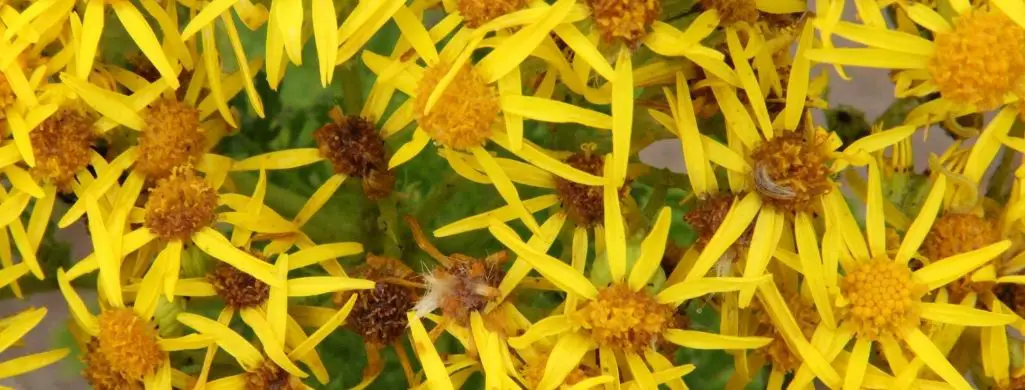
Ragwort

Ragwort

Ragwort has a bitter taste while it’s growing and horses will rarely eat it BUT once it’s dried out a bit, the bitterness decreases, and horses may eat it when the rest of the grass is lacking.

Ragwort contains toxins that will result in liver failure or even death. Consumption of only a few pounds over the horse’s lifetime can result in death.

Use herbicides or manual control in order to uproot, remove, and burn. Spray there when they are at the rosette stage, don’t wait for the stem to appear. Mowing and cutting ragwort will make it grow back more quickly.

Foxglove

Foxglove

Horses normally won’t eat Foxglove, but if it’s dried up in grass, it can be eaten without hesitation. Just 100g of this stuff dried up in hay could prove fatal.

Symptoms of foxglove poisoning include contracted pupils, convulsions, breathing difficulties, and death after only a few hours.

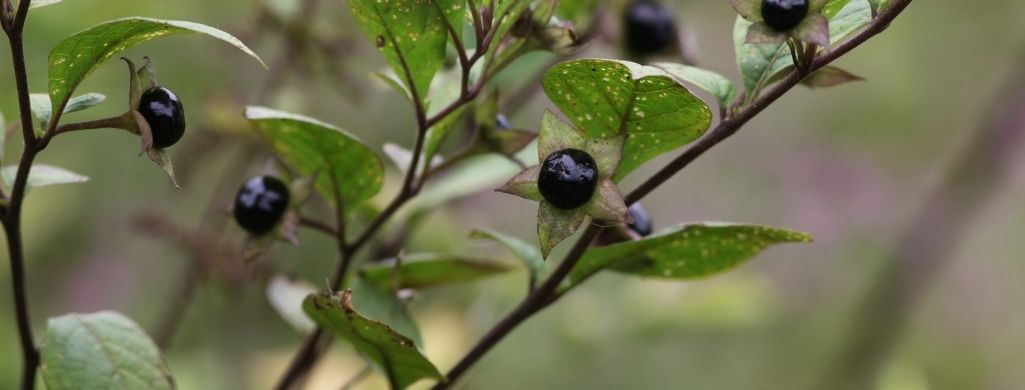
Deadly Nightshade

Deadly Nightshade

Contrary to the name, Deadly Nightshade is not normally deadly but may cause unconsciousness, dilation of the pupils, and convulsions. Also known as Atropa belladonna, commonly known as Belladonna.

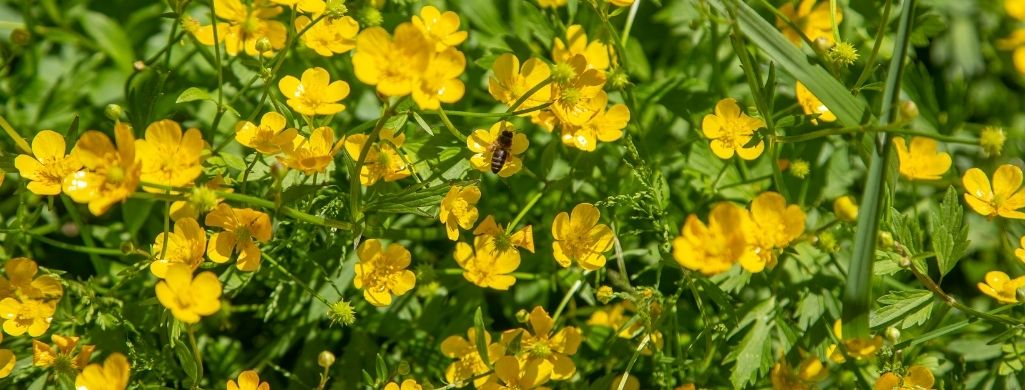
Buttercups

Buttercups

Buttercups or Ranunculus are poisonous to horses if they are eaten fresh and in large amounts. Unlike the before-mentioned weeds, buttercups are harmless after drying in the hay.

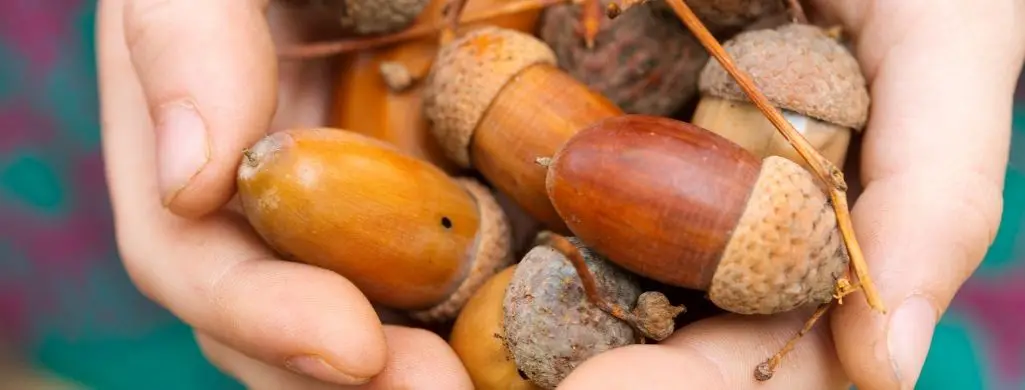
Acorns

Acorns

Acorns are loved by many horses but can cause colic, a build-up of gas in the gut) Acorns drop in the Autumn and you should collect them off the ground or maybe even prohibit grazing around those trees until they have all dropped and been collected after Autumn has passed.

Yew

Yew

Yew is common in most pastures. The leaves and berries are just as poisonous as the plant itself, so make sure that none of these make it to your grazing area.
Just 500g of this can cause your horse to go into a coma-like sleep state and die.

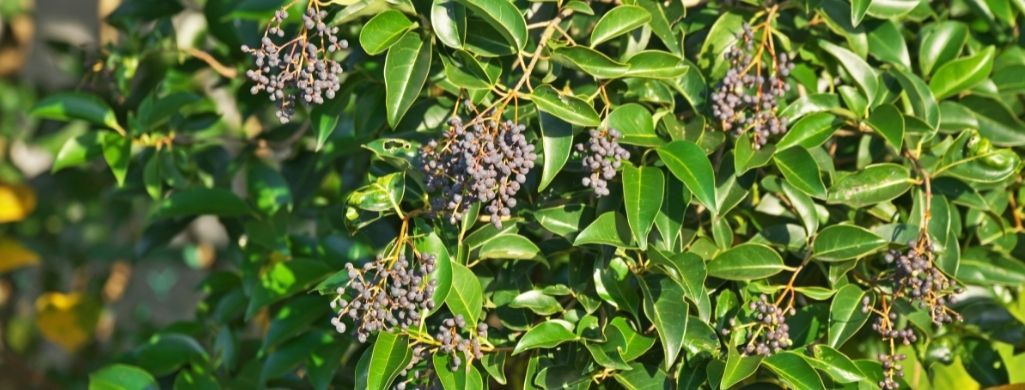
Privet

Privet

Box privet is the most dangerous for your horse. Keep your pasture clean and clear of this.

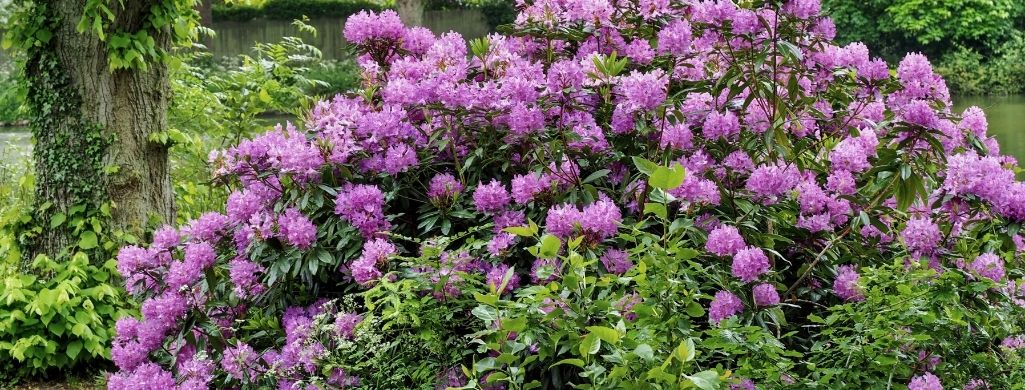
Rhododendron

Rhododendron

Consumption of a small amount of Rhododendron can cause death by failure of the respiratory system.

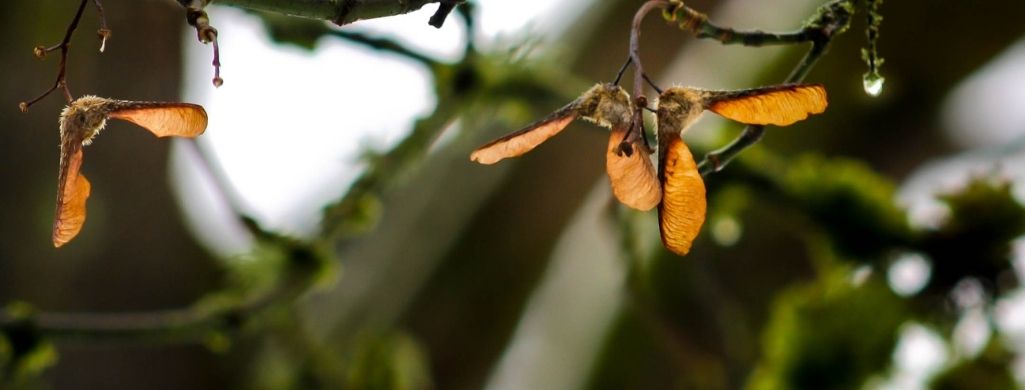
Sycamore, maple, and other acers

Maple Seeds

Helicopter seeds in Autumn and saplings in Spring contain hypoglycin-A which causes atypical myopathy in horses. Symptoms include muscular stiffness, reluctance to walk, muscle tremors, sweating, depression, high heart rate, and dark urine (reddish in color). Your horse may appear weak and may have difficulty standing, and breathing difficulties, but may still want to eat. If this happens, call your vet immediately.

Basic Guidelines for Feeding Your Horse

Roughage usually grass should be the bulk of the horses’ diet

For most non-competitive horses, roughage from the pasture or hay will be sufficient. Even if you do supplement your horses’ diet with concentrate, it should not be anywhere near the volume of grass feed. A horse should eat around 1 to 2% of its own body weight in roughage every day.

Horses normally walk around the pasture slowly nibbling away on the grass while slowly digesting it. Horses that spend a lot of their time in the stable should have access to hay for most of the day to replicate natural grazing.

This roughage constantly moving through their systems will be best for their natural digestive systems.

Grain and Other Concentrates Should be Fed in Small Amounts

If you need to feed your horse extra concentrates like grain, make sure to spread out the total dose over 2 or 3 meals during the day. This will ensure the proper absorption of the grain. It’s much better for the digestive system because it’s a more natural way to consume food.

  • The amount of food your horse needs depends on the size of your horse and on how much energy your horse needs to exert on an average day.
  • If your horse does get to graze on pasture, how healthy is that pasture? If your pasture is lacking in the ways mentioned earlier in this article, you will need to supplement the diet with additional hay.
  • The health of the pasture is very dependent on the season you are in. In winter you may need to supplement more, and in summer you might not need to supplement the diet at all.
  • With all supplements and concentrates, always start off with small measurements and increase if required.
  • As your horse ages and does different things, you should adjust the diet of the horse accordingly. It doesn’t remain the same throughout its whole life.

Any Change in the Amount or Type of Feed Must be Changed Gradually

A sudden increase or decrease in the amount or type of food you feed your horse can have very bad implications like colic or founder.

If you increase or decrease the amount of food or change the type of food, you can change 20 to 25% of the food with the new amount or type every day. Over six to seven days you will have a 100% food change in size or type.

Measure Your Concentrates Accurately and Regularly

A mature horse generally consumes 2-2.5% of its body weight in feed each day (on a dry matter, DM, basis). eg, a 1,000-pound (454-kg) horse-fed hay plus grain concentrate (feeds that are about 90% DM) should consume about 20-25 pounds (9.1-11.3 kg) of feed daily.

For gastrointestinal health, horses need to eat about 1% of their body weight in hay or pasture grasses and legumes daily (10 pounds, or 4.5 kg, of DM intake for a 1,000-pound, or 454-kg, horse).

Depending on the type of feed you are using, it can have massive weight differences. Weigh your feed with a kitchen or postal scale if you don’t have a feed scale yet. Make sure it’s the right amount for your horses.

Follow a Regular Feeding Schedule

Horses thrive on routine. They have internal clocks that are very accurate. A drastic change in feeding times or intervals can trigger a colic episode in some cases. It’s better not to take the chance and change schedules slowly if necessary.

Don’t Feed Your Horse Shortly Before or After Exercise

It’s best to have at least one hour pass before riding your horse and even two to three hours if you’ll be running and jumping

After a strenuous workout, make sure your horse has cooled down and slowed breathing before feeding, around 30 to 60 minutes afterward.

Horse Show Preparation Genius guide to staying sane!

Horse Show Preperation

Taking your equine partner off-property to compete in a new environment can be a very nerve-wracking and stressful experience. If things are not prepared and planned out ahead of time there is a chance that critical items may be left behind at home. To ensure smooth sailing while away, it is extremely important that horse show preparation and organization begin weeks ahead of your departure date.

Over the years that I have been competing in different riding competitions, I have gained the organizational skills needed in order to be prepared ahead of time. In the past I would pack up my horse tack the night before leaving, this left me scrambling to find a pair of gloves or boots to borrow while in the show ring.

As you can guess, that carried over to my performance within the show ring, because of all the scrambling that happened before mounting and feeling stressed. To make sure you do not make the same mistakes, here are some pointers to follow.

Months Before Competition

Before deciding which classes you will be competing in it is important to figure out what both you and your horse are comfortable doing. This can be done by practicing various jumping exercises or creating conditioning sets to get in peak athletic shape.

Having a professional trainer to guide you is always highly encouraged as they will always be willing to help with different questions and advice. It is very important to make sure that you keep your horse on a consistent schedule to allow for muscle buildup and fluidity within training.

At this point in time, it is also a good idea to figure out if others would also be interested in going to the horse show. This allows you and others to figure out trailering placement for your horses so you are not left looking for a ride last minute.

Weeks Before Competition

At this point in time, you should have consulted with a trainer and decided on which divisions you will be competing in. This allows for better preparation in pinpointing what you exactly need to be working on.

This may mean that you have a dressage test that needs practicing, a certain jump height that will need to be implemented within the coursework, or a cross-country level that needs to be schooled. Oftentimes issues arise that may need extra attention.

Personally, my horse has trouble picking up his left lead while doing a dressage test, because of this weakness I have been doing more transitions while going to the left to strengthen up that side of his body.

Horse Show Preperation

Preparing Your List

I recommend that you begin creating a list of things that you will need to pack in the weeks to come (I will include my personal list below). Your list should include things for both riding and horse care.

It helps to put the items needed under different categories to make it easier to read. While writing out your list, think of the order you will use the different items and write them down as they come to mind as you may discover you need to pack more items than expected. Also make sure to double-check your list before packing.

Horse Show Packing List

Riding essentials:

  • Boots (for horses)
  • Saddle
  • Ear Bonnet
  • Riding Crop/Whip
  • Saddle Pad
  • Half Pad

Grooming Essentials:

Stable Supplies:

Horse Care:

Feeding:

  • Hay
  • Grain
  • Alfalfa Cubes

For The Rider:

  • Muck/Tall Boots
  • Tan Breeches
  • White Show Shirt
  • Black Belt
  • Tall Socks
  • Black Gloves
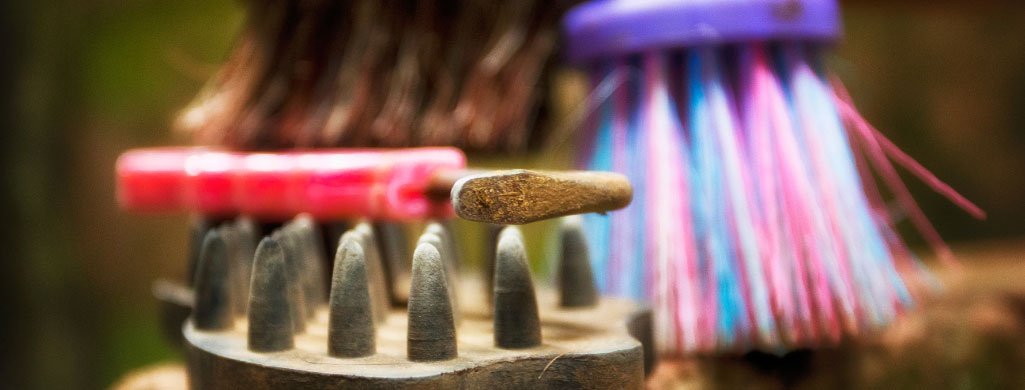
Horse Grooming Tools

Days Before Competition

As your competition begins to approach faster and faster, your nerves and excitement will increase. It is now time to go over your packing list and start organizing everything! I recommend using a tack trunk with wheels as it is easier to move from place to place (I use a 50-gallon Stanley chest) this allows me to pack many items into it.

Gather all of your items into one area and start packing them up neatly. Place the larger items on the bottom such as saddle pads and blankets, as the trunk fills place the smaller items on the top. Use a Tupperware container to store little clips or ties along with other small items.

Leather items such as saddles and bridles should be protected by saddle covers and bridle bags. This prevents your tack from obtaining scratches and keeps them nice and neat. Once all of your horse’s tack has been gathered, start loading it into the trailer. It is best to do this the night before departure when you are done using your equipment. 

Load in an organizational manner so unloading is a seamless process. This is also a good time to pack up the hay, grain, and supplements your horse will need over the next few days. Scoop the grain into separate ziplock bags for each feeding, this is easier than hauling large bags that will take up lots of space.

Depending on how much your horse eats you will need to be sure to bring enough hay. Be sure to also have all of your clothes/essentials/food packed the night before leaving! 

Day of Competition/Departure Day

Arrive at your barn early enough to begin getting your horse prepared to leave. Every horse acts differently within the trailer which means some may need standing wraps, shipping boots, or a head bumper.

Standing wraps help protect the horses’ legs from any possible injuries that may occur while within the trailer. Head bumpers are also another piece of protective equipment that prevents head injuries if they were to hit their head on the roof of the trailer. Once your horse is all wrapped and prepared it is time to go!

Arrival At Showgrounds

When you arrive at the showgrounds it is important to first unload your equine partner and get them settled into their stall with water and hay, this allows them to become comfortable with the new surroundings. Next all tack and equipment will need to be unloaded in an organized way.

Oftentimes I will rent a “tack stall” to store away all my things while I am at the competition. A lock and chain will also be used in this case to keep my equipment safe while I am not there. The day before I compete at the new venue I will always hack around the property to get my horse comfortable with the new surroundings.

At the end of each night always clean up your area and reorganize everything so it will be ready for the next morning. Lastly, always keep a positive and uplifting attitude towards other competitors while competing as it can oftentimes become stressful, and in the end, you are all in it together! Happy horse showing!

How To Find Repossessed Horse Trailers – Don’t Get Ripped Off!

Respossessed Horse Trailers Featured

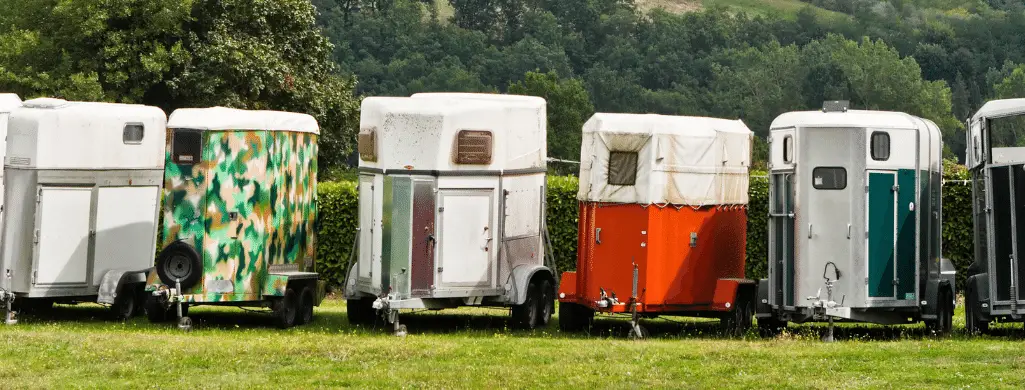
Repossessed horse trailers are excellent options for buyers with strict budget limitations. They’re sold through bank-organized auctions. Prices range from $200 to $43 000. NADA guides are excellent tools to assist with understanding the market price.

Finding A Repossessed Horse Trailer

Buying a horse trailer is a big decision and an exciting adventure for horse owners! One option for budget-conscious buyers to consider is repossessed horse trailers. These are trailers that have been repossessed from the original owner for non-payment. They are offered for sale to the public by the bank. These horse trailers can be picked up at jaw-droppingly low prices!

Before you joyfully dive into the deep end of repossessed horse trailers, it is essential to ask yourself a few questions:

  1. Where can you find repossessed horse trailers?
  2. What are the prices for repossessed horse trailers?
  3. How to find a repossessed horse trailer that is safe and a good deal?

Where To Find Repossessed Horse Trailers

The easiest method to find listed repossessed horse trailers is through an online search or by contacting your bank. The bank will be able to put you in contact with the department handling auctions of repossessed vehicles.

Suppose you live in a non-horsey area, or you are looking for an exceptional bargain. In that case, you may need to travel to another state where horse trailer ownership is more common and where they hold larger auctions featuring horse trailers. You are more likely to find repossessed horse trailers listed in farming community auctions than at auctions held in cities.

Repossessed Horse Trailer Prices

The repossessed horse trailer’s price will vary according to its specifications, age, model, and condition. The final price will be determined by the bank’s minimum holding price and the number of bids received for the horse trailer. It is possible to buy repossessed horse trailers for as little as $200 and as high as $45,000.

When determining the maximum bid to place on a repossessed horse trailer, it is worthwhile knowing what that trailer’s actual retail price would be if sold through alternative channels. It means that you can neatly avoid paying more than the trailer is worth. After all, the point is to find a bargain!

The National Automobile Dealers Association offers NADA guides and Kelley Blue Books detailing the realistic market price for used automobiles compared to their original wholesale price. Unfortunately, they do not provide this service for all horse trailers.

The guide lists all horse trailer makes and models featuring living quarters from 1995 to the present. To access the manual, you will need to pay a subscription fee. This fee is nominal and worth paying if you’re looking for a repossessed horse trailer with living quarters.

Recently, an Exiss four-berth, gooseneck repossessed horse trailer was sold on auction for $27 995.00, which is a fraction of its regular retail price of $41 153.23. This trailer was in excellent condition, which an independent horse trailer expert verified. This trailer is classified as an outstanding bargain!!!

Line Of Used Horse Trailers

I have included the actual results from recent auctions held in the past 60 days and listed three winning bids each for bumper hitches and gooseneck hitches.

Recent Trailer Auctions Results

ModelLocation Of AuctionConditionPrice
1962 Two Berth Straight Load Bumper Hitch Stidham Horse TrailerBrandt, South DakotaVery Bad$200
2007 Four Berth Straight Load Bumper Hitch Rawhide Horse TrailerHelena, MontanaFair$3045
2004 Three Berth Slant Load Bumper Hitch
Adams Horse Trailer
North Vernon, IndianaExcellent$8500
1990 Three Berth Gooseneck tandem axle
Triggs Horse trailer
New Sharon, IowaVery Bad$975
2005 Three Berth Gooseneck tandem axle
C & C Horse Trailer with extensive customization and wood paneling
Jasper, TxExcellent$43900
1988 Three berth Gooseneck
Chaparral Horse Trailer
Washington, IowaFair$1400

Is A Repossessed Horse Trailer A Good Deal?

Good deals can be found amongst the available repossessed horse trailers available for sale IF you know what to look for. A horse trailer need not be terribly expensive to be functional and safe. Still, a cheap, unsafe horse trailer, new, used, or repossessed, will never be worth the price of your horse’s safety.

The banks sell the most repossessed horse trailers at auction. Different auctions will have different rules regulating tryouts and pre-auction viewings. The most common approach is to allow prospective buyers a few hours to view the available horse trailers. The horse trailer may not be taken off the property or hitched up for a test drive.

An experienced buyer will often pick up outstanding, repossessed horse trailers for a fraction of their worth, especially if the bank imposes no minimum holding price.

What To Look For In A Repossessed Horse Trailer

It is vital to examine repossessed horse trailers carefully before committing to a buy. These horse trailers should have all relevant documentation. However, there are often details that are not written down on paper and can only be answered by the previous owner, who is not there!

Not all the repossessed trailers offered for sale are worth the price tag attached, even if it seems like a bargain. Many unwary buyers have ended up with a white elephant on their hands as they struggle to salvage the price they paid for this hazardous piece of equipment.

Repossessed Horse Trailers

When attending an auction it’s essential:

  • That you have a clear idea of what you need in a horse trailer and what you are willing to pay. A good auctioneer will know how to work with the crowd to drive up the price. The exciting auction atmosphere can result in buying something that is not perfect for you or paying more than you ever intended to spend.
  • Pay attention to details! When inspecting the repossessed horse trailer, it is essential to look at the small details. These details will provide you with a clearer insight into how the horse trailer was used and maintained by the previous owner. Remember, when viewing a repossessed horse trailer, the previous owner will not be available to answer your questions!
  • Take someone experienced with you: When buying a horse trailer, it would be best to take someone experienced with you. Ideally, it would be someone who is mechanically minded and experienced with repairing horse trailers.

We’ve compiled a quick checklist for inspecting a Repossessed horse trailer

  • Horse Trailer Title: Is the title clean? You don’t want to pay for someone else’s fines!
  • General Appearance:
    1. Check the general appearance of the trailer – look for damage (dents and scrapes). Suppose the appearance shows neglect and lack of care. In that case, there will probably be hidden problems that will affect the unit’s integrity.
    2. Check if the trailer is the correct size for the horses you intend to transport. A six-foot-wide trailer will work for most average horses. It would be best if you went wider for draughts and bigger horses. Make sure there’s enough headroom also
    3. Look underneath for signs of wood rot or metal fatigue in the floor and ramp, especially the ramp top near the hinges.
  • Suspension
    1. Assess how the trailer sits when placed on level ground. Does it appear to be leaning to one side? An unlevel trailer may indicate an issue with the suspension system.
  • Tires And Wheels
    1. Inspect the condition of the tires and the amount of tread remaining.
    2. Assess the tire sidewalls; if it’s cracked or damaged, they will need to be replaced.
    3. Inspect the wheel rims. They should be round with no dents.
  • Brakes
    1. Try the handbrake and check the condition of the brakes.
    2. The discs or hubs should not be worn and are within allowable limits.
    3. Check if the braking system is appropriate for the tow vehicle and the size of horses to be transported.
  • Ramp
    1. Ensure the ramp is structurally sound enough to bear the horse’s weight and is easy to open and close.
  • Dividers And Partitions
    1. Ensure that all dividers are seated correctly and are secure.
    2. Check that any adjustment mechanism works and moves freely and correctly.
  • Condition And Wooden Structures
    1. Ask an expert to check the moisture content using a moisture meter.
    2. Look for moisture and rot in the walls.
    3. Check the floor for structural integrity, especially along the joints at the sides. If a horse falls through the floor while being transported, the results will be catastrophic!
    4. Inspect the roof for damp spots and signs of leaks.
    5. Ensure the door fits correctly in the door frame.
    6. The windows shouldn’t leak and should be intact.
  • Look For Rust Damage
    1. Check the integrity of the chassis, wheel hubs, and braking structure.
    2. Inspect the tow bar for rust and also ensure the alignment is straight and not bent. The tow hitch must operate freely and not stick.
  • Electrical System
    1. The wiring must be intact and in good condition.
    2. Open light covers and inspect the condition of contacts for rust or wear.
    3. Check brake, indicator, rear lights, and interior lights function correctly.

Conclusion

Prospective buyers must factor in several considerations when purchasing a repossessed horse trailer based on their needs, budget, and evaluation of current listings for repossessed horse trailers.

These trailers are typically offered to the public by bank-organized auctions. There is a considerable variation in price based on the make, model, year, and condition of the repossessed horse trailer. The winning bids can range between $200 to $43,000.

It is important to inspect a horse trailer before buying it. It is always best to walk away from an unsafe trailer, even if it’s offered at a bargain price. There are many excellent repossessed horse trailers offered for sale. A knowledgeable buyer will be able to find a safe, functional horse trailer at a fraction of its wholesale price if they know what to look for!

Need To Rent A Horse Trailer – What’s It Going To Cost You?

Rent A Horse Trailer Featured
Renting A Horse Trailer

Purchasing a trailer and towing-vehicle is expensive; no one will dispute that! Is renting a horse trailer cheaper, or is it a costly short-term Band-aid? What are the costs involved? How do you find a reputable dealer to rent a horse trailer and ensure it’s the best trailer to safely transport your horse?

Horse trailer rentals range between $59 per day for a two-berth bumper hitch trailer to $120 per day for a three-berth gooseneck hitch trailer with tack storage space. The price of rental typically includes a refundable cleaning fee. Companies offer discounted rates for longer duration rentals.

Renting a horse trailer is a headache that most horse owners prefer to avoid. The process of renting a trailer can be hazardous and the cost fairly steep. When considering the economy of rental, it is essential to look at all factors that will affect your decision. These factors will relate not just to the monetary cost of the rental but also to how you rate the importance of limitations imposed on you by the rental company.

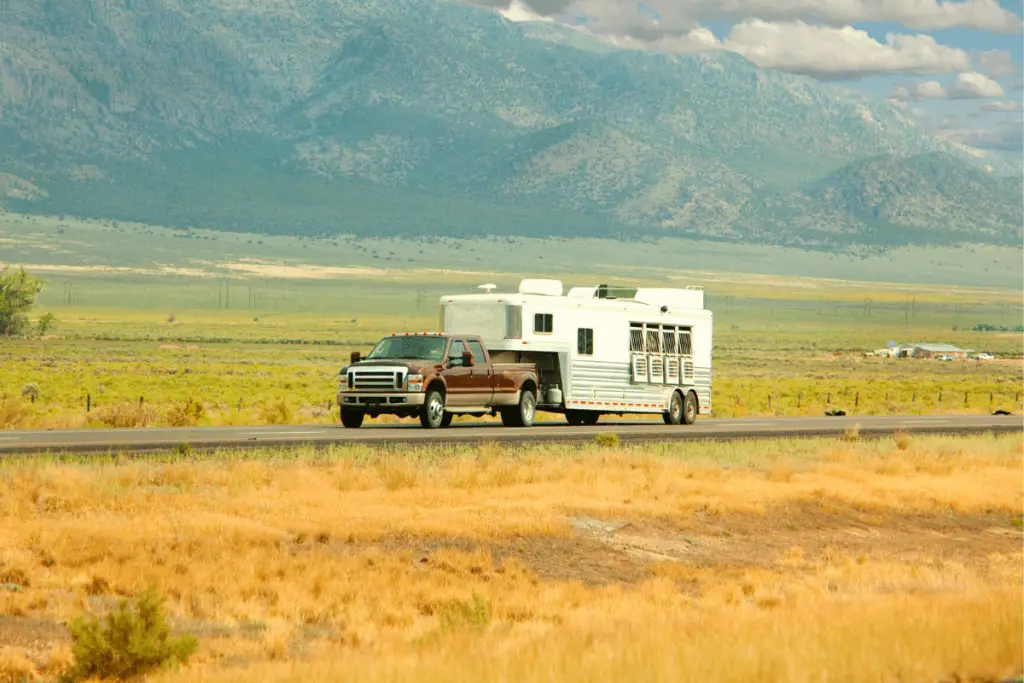
Truck Pulling Horse Trailer

How Is a Horse Transported or Moved? 

Moving horses always carries an element of risk. Whether the horse is ridden or led in-hand to its new location or transported in a horse trailer, there is still a chance that something could go wrong. Horses are true masters at living up to Murphy’s law; if it can go wrong, it will go wrong!

Accidents involving your horse are costly and emotionally devastating. Thus, it’s essential when renting a trailer; you consider both the monetary cost of using the trailer and your horse’s safety. In the long run, it may be cheaper to pay a higher rent for a better trailer and ensure your horse’s safety and comfort.

The Advantages Of Renting Before Buying – Rent to Test 

Renting a trailer has the added advantage of allowing you to “test out” different models and choose your favorite if you plan to buy a trailer in the future. Suppose you plan to buy a trailer and towing vehicle in the future but can’t afford the initial investment. In that case, you could spread the pain of making such an expensive purchase and first get a towing vehicle. It will be easier on your purse if you initially use your truck to pull a rented trailer giving you time to save up for a trailer.

Cheapest Rental Option = Borrowing A Horse Trailer

Borrowing a trailer from a friendly neighbor may be the cheapest option, it comes with potential hazards. Usually, the trailer owner will require you to pay the fuel cost. While both buying and renting horse trailers are covered by strict contracts outlining each party’s responsibilities and payments, borrowing a trailer from a friend or family member does not come with this luxury. Who is responsible for paying for repairs if your horse damages the horse trailer?

Most horse trailer owners are highly protective of their vehicles. They will not allow another person to tow their horse trailer. Allowing another person to haul your horse can create issues. Few non-professionals will drive with the same care for your horse as you would do. It is all too easy for these situations to lead to hard feelings on both sides when using someone else’s box, especially if you have a close personal relationship with that someone!

Finding And Investigating A Horse Trailer Rental

The easiest ways to find horse trailer rental companies are through online searches. Talking to local horse owners, stable yards, and feed and tack stores are invaluable resources for guiding you to reputable companies or private owners offering horse trailer rental services. Yellow Pages, Craigslist, and Gumtree may also prove useful in your quest for finding a possible rental.

It is essential when phoning rental companies to ensure they have valid business licenses. The companies should be willing to offer you the names and numbers of previous clients to contact and confirm the company’s reputation.

Trailer-rental insurance is considered specialty insurance and differs significantly from car-rental insurance. Ensure the company has comprehensive insurance coverage for collisions. Read the fine print! You can be made to pay for any damage your horse does to the horse trailer.

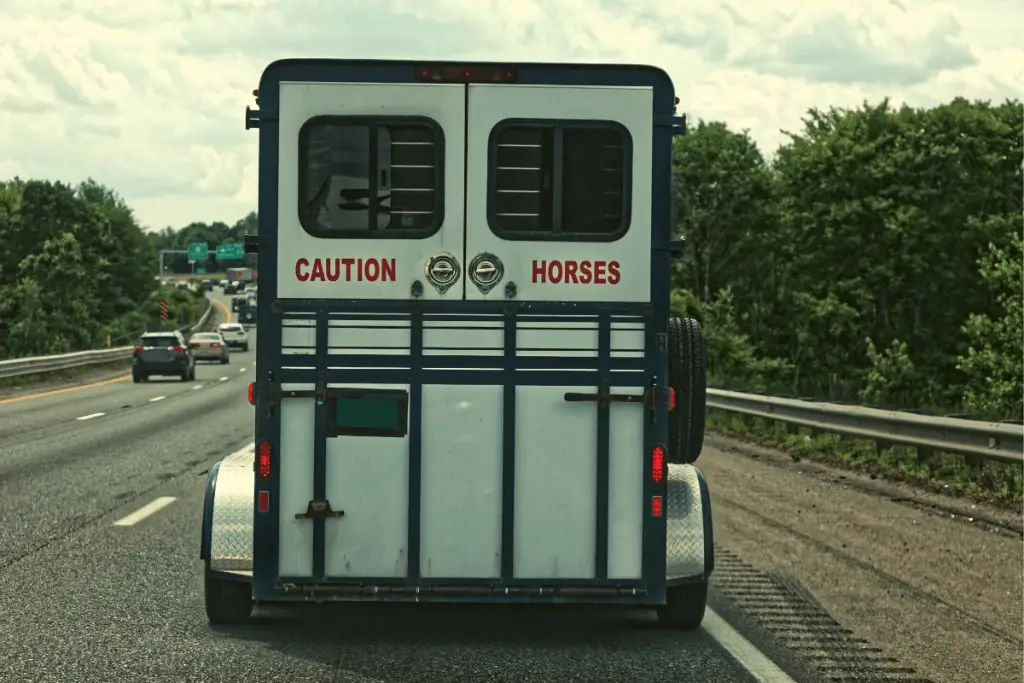
Horse Trailer On Highway

Factors Affecting Horse Trailer Rental Prices

Horse trailer rental prices will be affected by the following:

  • The type and model of the horse trailer you want
  • The location of trailer rental service, e.g., just like homes or vacations can be more or less expensive depending on the area, the cost of horse trailer rentals can also vary by location.
  • The specific day, i.e., different days, are charged differently depending on how the demand for the horse trailer. Quiet weekdays will often be cheaper than the weekends when many shows transport their horses to competitions.
  • The length of the rental period will also affect the price. Some companies will offer discounted rates if you commit to a more extended rental period.

In this article, we look at three rental companies to provide an example of horse trailer rentals and the associated prices.

Hitchin Post – Newberg, Oregon

The Hitchin Post offers a single type of trailer for rental, a three-berth trailer with a front tack room, and a 3000-pound weight limit. They do not provide tow vehicle rental. The daily rental ranges from $119/day to $129/day, depending on the day(s) on which the trailer is used.

This rental price includes a $40 refundable cleaning deposit, which will be returned to you if the trailer is in the same condition you received it in. The fee also includes a $20 adjustable ball hitch. If the ball hitch is unneeded, the ball hitch’s price will be deducted from the rental price.

Leonard Truck & Trailer – North Jackson, Ohio

Leonard Truck and Trailer offer two main types of horse trailers for rental, larger gooseneck trailers and smaller bumper hitch trailers. The larger gooseneck trailers are approximately $20 more expensive per day and $100 more expensive per month than the smaller two-berth bumper hitch trailers. The gooseneck trailers have the added advantage of storage room for your horse’s tack and equipment.

The longer you rent the trailer for the more economical it is. The larger trailer’s daily rental is $109.95 but is charged at a rate of $42,91 per day for the entire month’s rental. That more than 60% lower per day! Sharing a month’s rental is an excellent option for friends who want to have a grand road adventure with their horses.

Coast to Coast Trailers – Ocala, Florida

Unlike the other two trailer rental companies featured, Coast to Coast Trailers does not change the price based on the day or length of time you rent the horse trailer. They charge a basic daily rate with applicable taxes that do not change whether you rent the box on a Monday (quiet day) or Sunday (busy competition day).

Nor does the price change based on which model of trailer you decide to rent. Coast to Coast Trailers has three types of trailers available for rent; two models of two-berth bumper hitch trailers with different loading options and one three-berth gooseneck trailer.

Comparison of Horse Trailer Rental Prices For The Three Featured Companies 

CompanyTrailer TypeDailyWeekendWeeklyMonthly
Hitchin Post3-berth Straight Load Bumper-hitch$59$69$149 – $159By Special Arrangement
Leonard Trailers2020 Sundowner 3-berth Slant Gooseneck$109.95$219.90$455.78$1287.34
Leonard Trailers2020 Valley Trailer, 2-berth Bumper-hitch$89.95$179.90$395.78$1187.34
Coast To Coast Trailers2015 Sundowner Charter 2-berth Straight Load Bumper-hitch$119.00$238.00$595.00$3570.00
Coast To Coast Trailers2016 Sundowner Stock 2-berth Straight Load with double rear doors Bumper-hitch$119.00$238.00$595.00$3570.00
Coast To Coast Trailers2008 Sundowner 3-berth Slant Load Gooseneck $119.00$238.00$595.00$3570.00

Conclusion

Horse trailer rental prices will vary based on the size, model, and year of the rental, the location of the rental services, the day(s), and the duration of the rental. Smaller horse trailers rented on a quiet weekday will be cheaper than larger horse trailers rented on busy weekends. Horse trailer rental varies between $59 to $120 per day but may fall as low as $40 per day if you rent the horse trailer for an entire month.

It’s crucial to phone around when looking for a horse trailer rental. Ensure that the rental company is reputable with excellent safety standards. Even if the company is the more expensive option, it will be worth it to ensure your horse’s safety.

26 super cool Halloween horse costumes

Horse Halloween Costumes

With the weather getting colder and leaves falling, we thought it would be fun to toss up a post filled with cool Halloween horse costumes to make you smile or give you some ideas for dressing up yourself and your horse.

Fun and Entertaining Halloween Horse Costumes

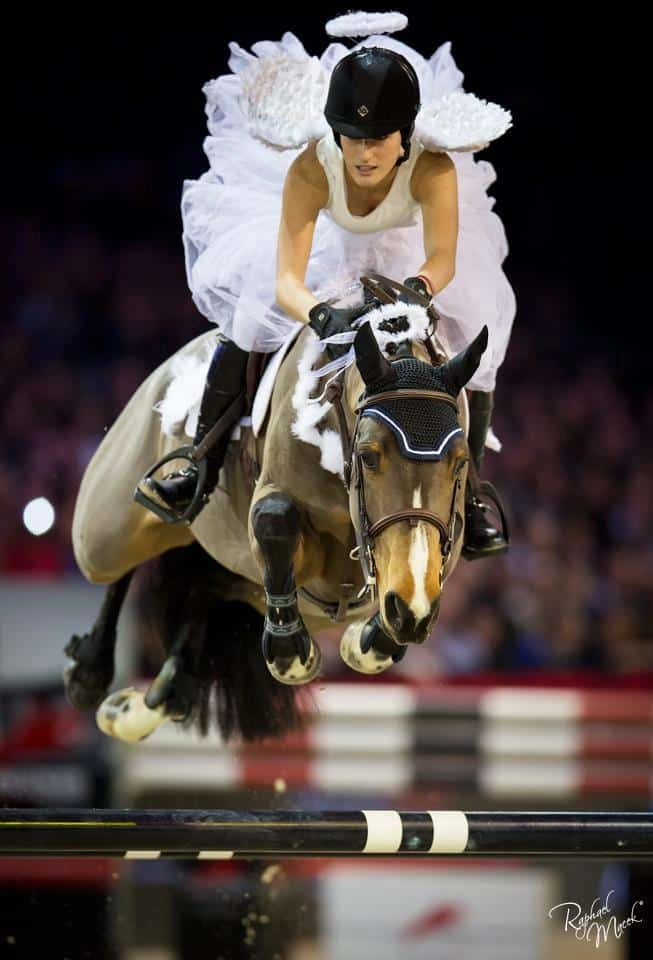
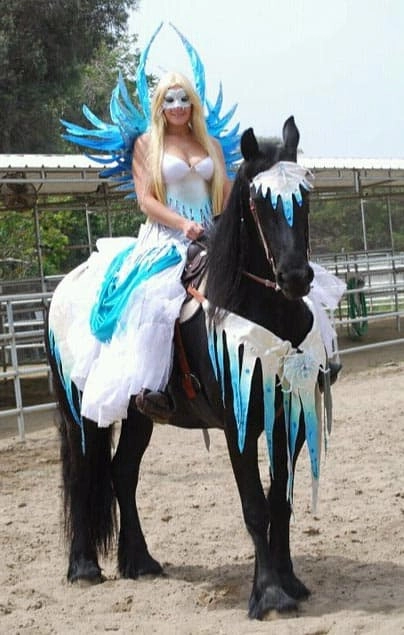
Here we have a high-flying Ice Angel

Flying Ice Angel - Halloween Horse Costumes

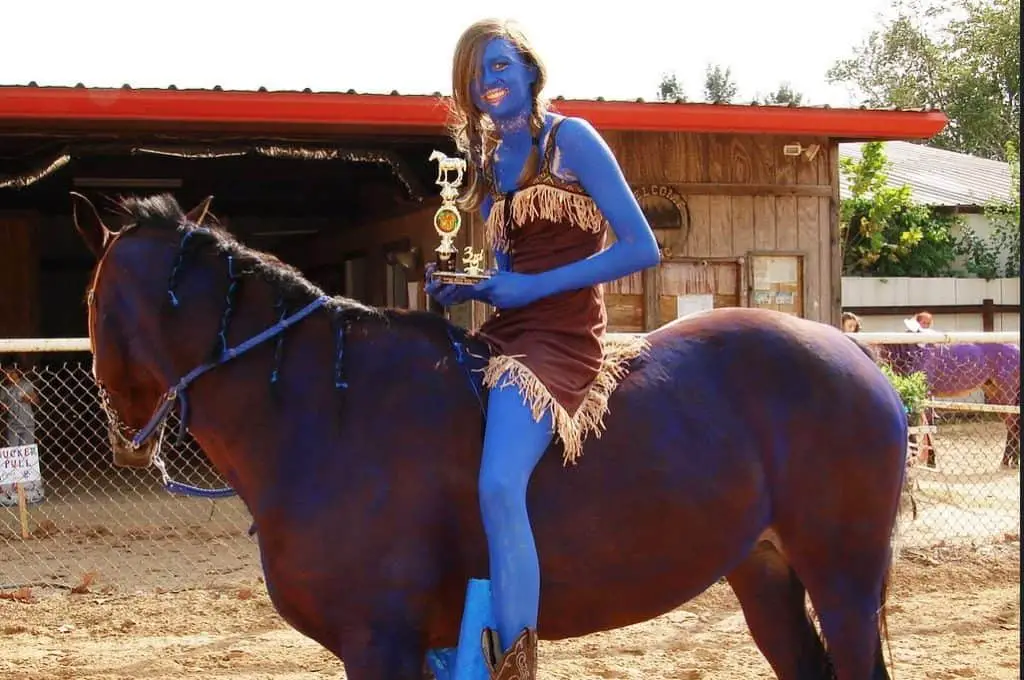
I”m not really sure what this rider is supposed to be, but the blue is a nice touch 🙂

Blue Girl and Horse Flickr 2
Courtesy Flickr

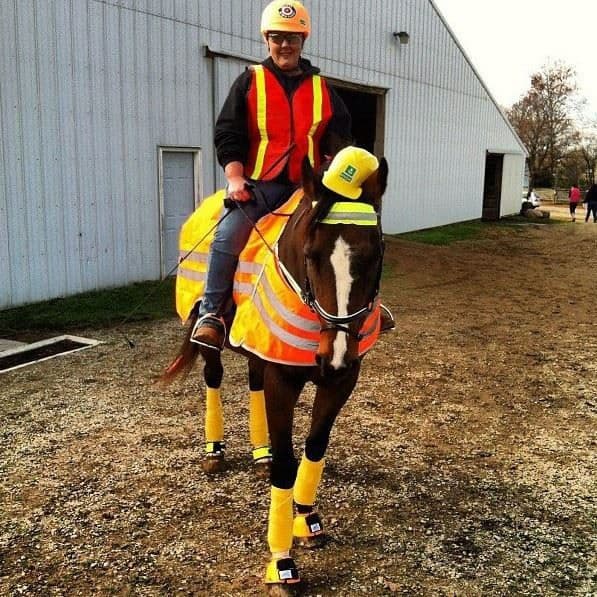
I feel she belongs to shovel leaners union 226

Construction Worker Horse Costume
Courtesy Horse And Man

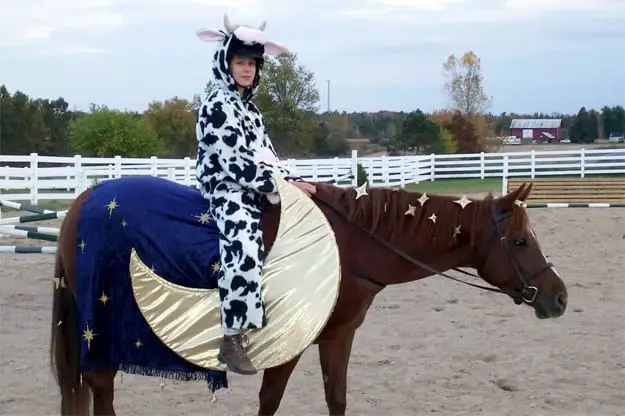
Here we have the cow jumping over the moon.

Cow Jumping over Moon Horse rider awesomelycute
Courtesy Awesomely Cute

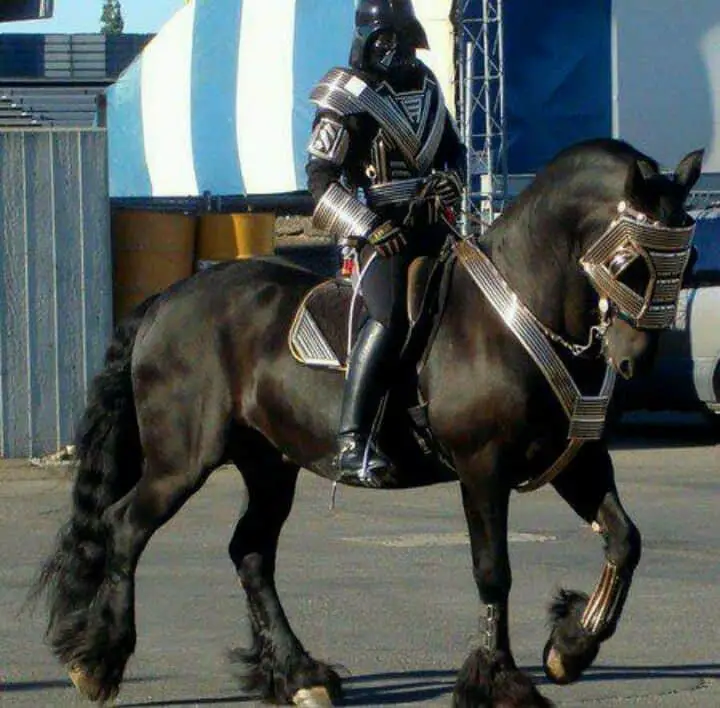
The force is strong with this one

Darth Vader Pinterest
Courtesy Pinterest

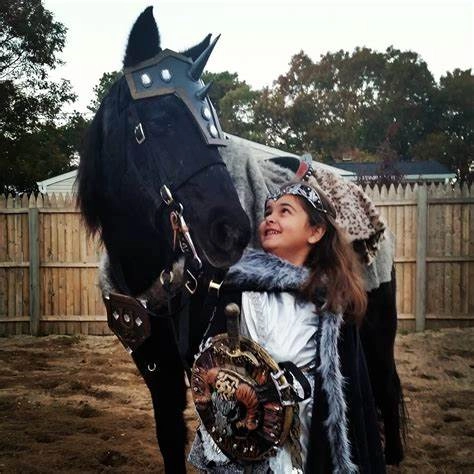
With her trusty steed sheera is ready to save the world!

Gladiator Girl horsenation
Courtesy Horse Nation

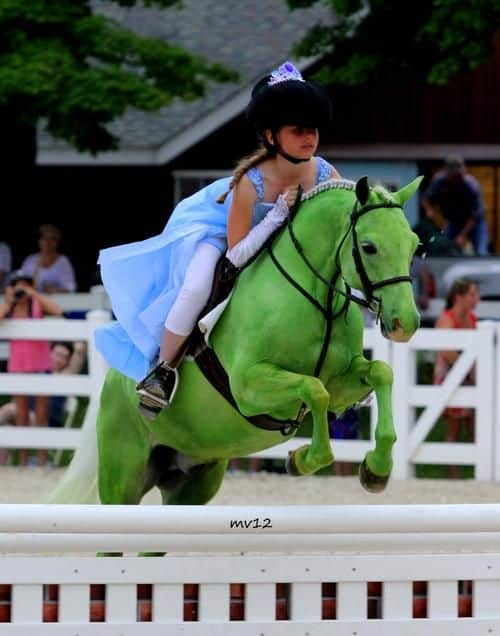
Mean green carries our princess over the hurdles.

Green Horse Pink Wicked Spurs
Courtesy Pretty In Pink Wicked In Spurs Tumblr

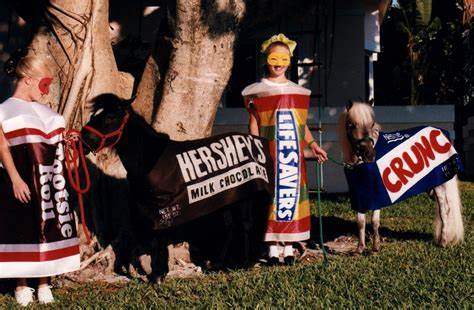
Trick Or Treat!

Halloween Candy costume Barnmice
Courtesy Barn Mice

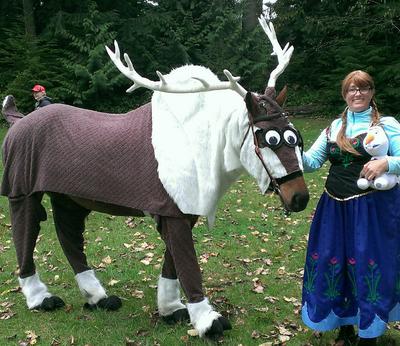
Strange that he doesn’t quite look like Olaf.

Horsecrazygirls Theme From Frozen
Courtesy Horse Crazy Girls

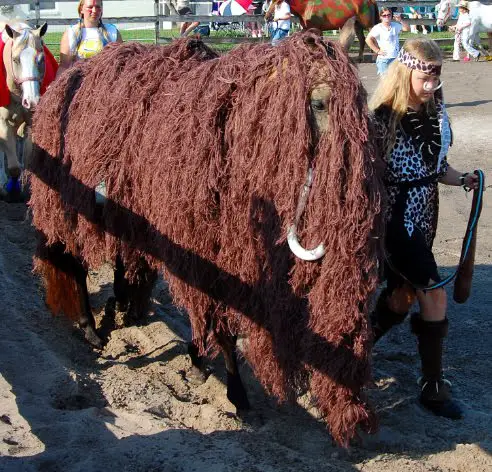
Might that be a Woolly Mammoth? Sure, seems legit.

horsefancydress
Courtesy Horse Fancy Dress

Here we have another Ice Angel

Ice Angel Flickr
Courtesy Flickr

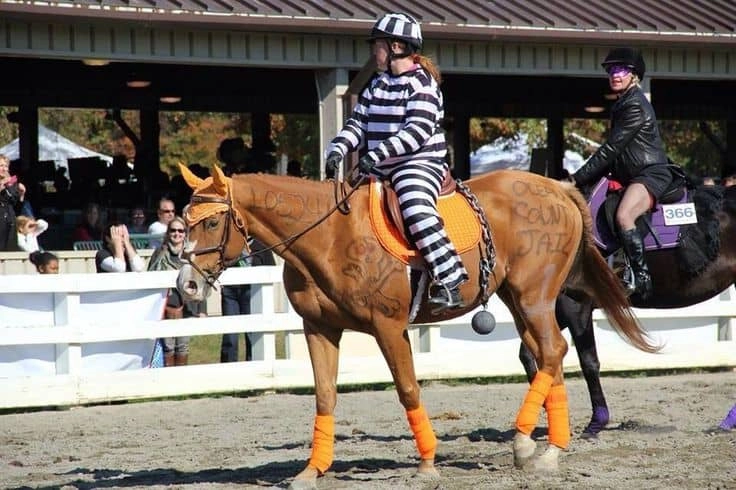
Nothing like the old ball and chain.

Jailbird Horse Rider Pinterest acollinslegal
Courtesy Pinterest

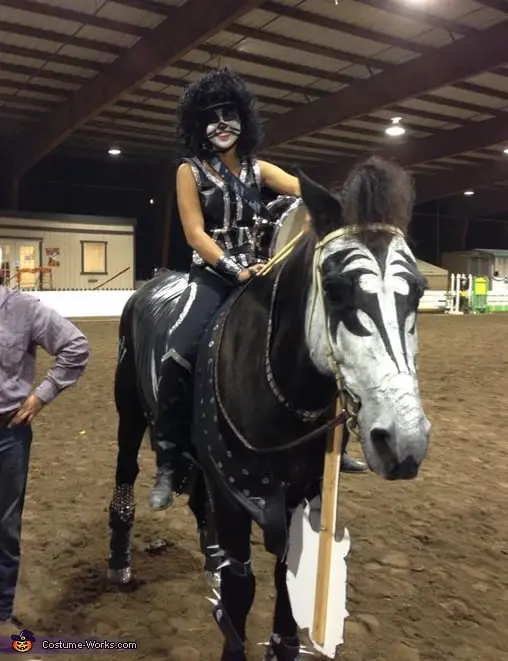
Rock and roll all night and party every day!!

Kiss Horse Costume Works
Courtesy Costume Works

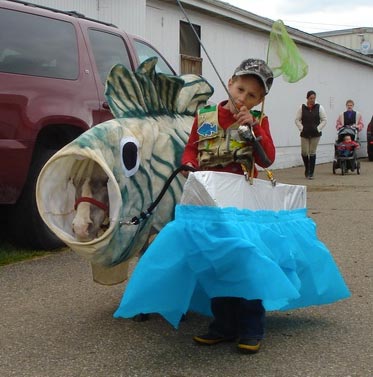
Ok, the picture is kind of small, but I thought it was funny so I included it.

Mini horse fish Wacky horse costumes

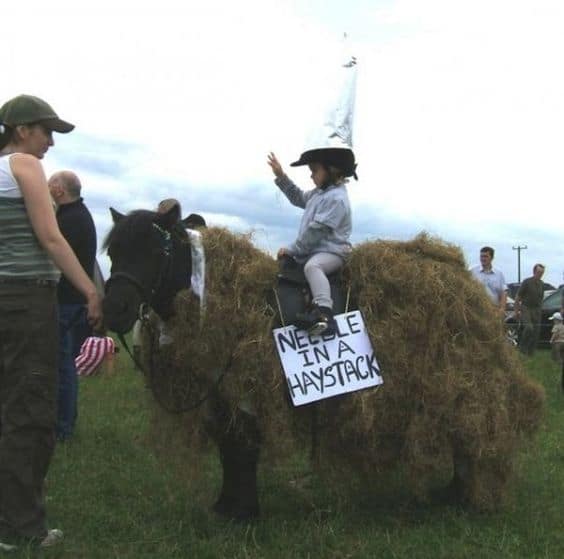
Appears to be a needle in a haystack.

Needle In Haystack Buzzfeed
Courtesy Pinterest Buzzfeed

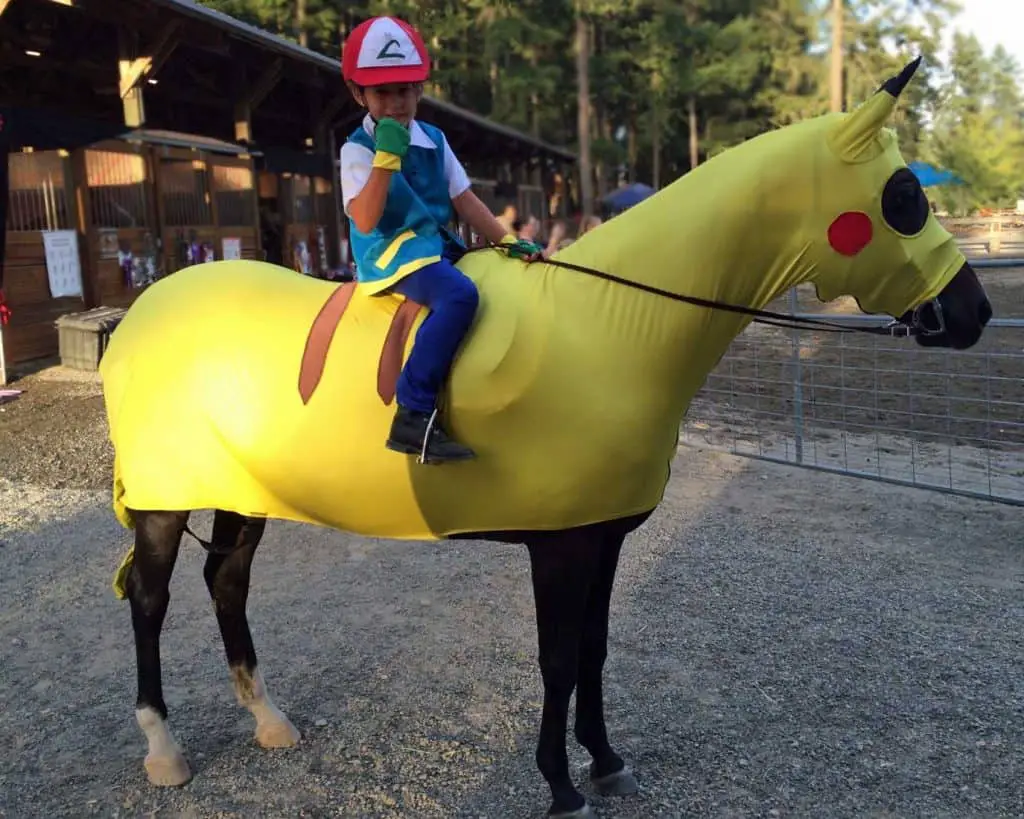
Hey look it’s Picachu 🙂

Picachu Horse and rider Maneentail
Courtesy Mane N Tail Equine

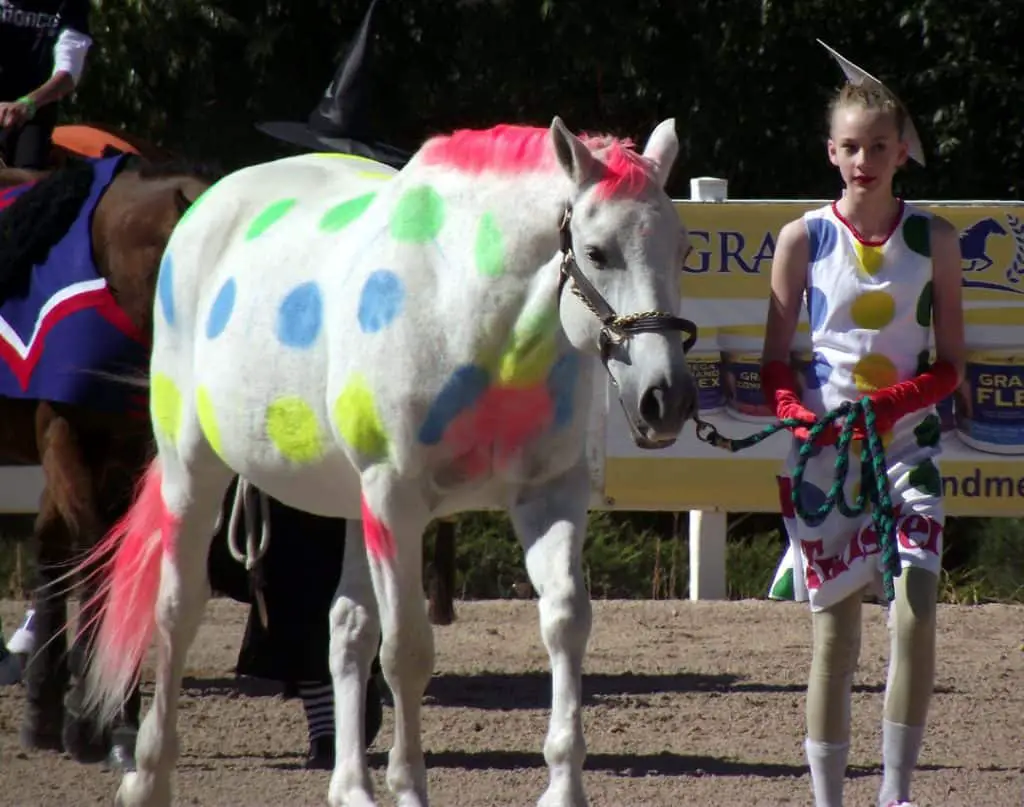
Hey, let’s play a game of Twister :-))

Pocadot Horse and rider Braymere
Courtesy Braymere

Taking from rich to give to the poor.

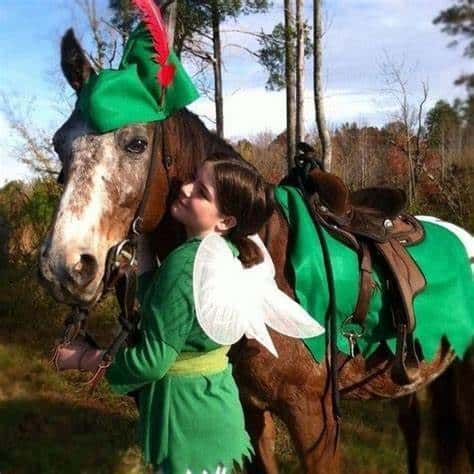
Robin Hood Horse and Rider Deavita
Courtesy Deavita

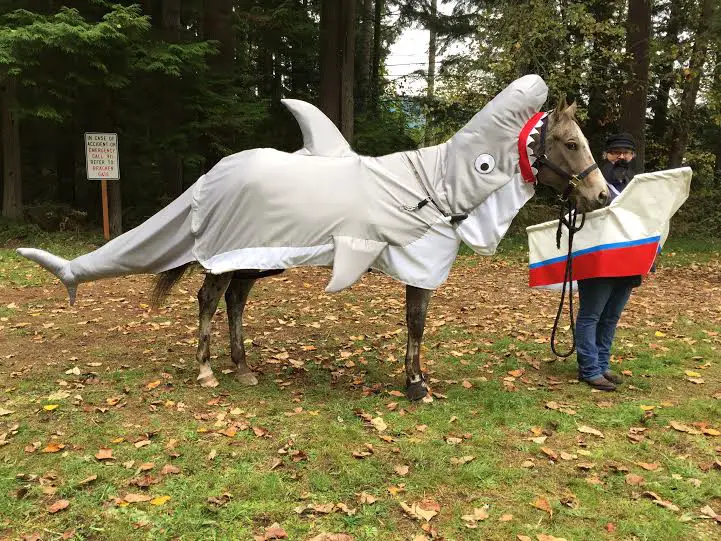
You’ll never go near the water again.

Shark Horse Horsenation
Courtesy Horse Nation

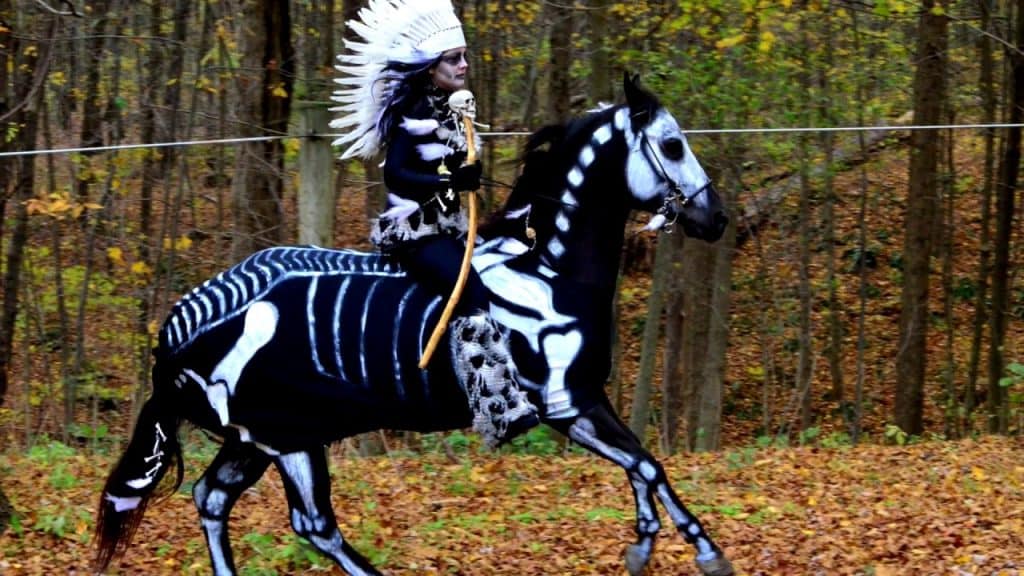
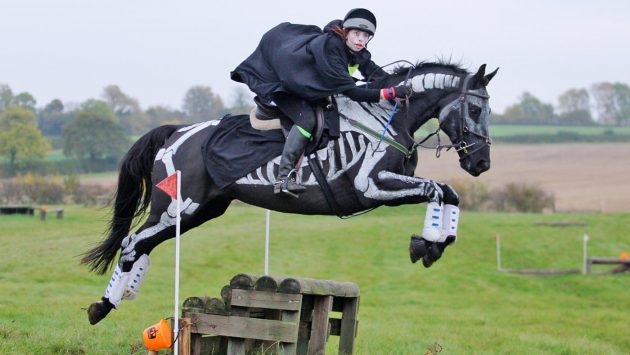
I thought this ghost rider costume was really cool for both horse and rider.

Skeleton Horse and Rider Youtube
Courtesy Bubbly Gum Youtube

Here is another cool shot of a ghost rider.

Skeleton Horse Jumping Horseandhound
Courtesy Horse And Hound

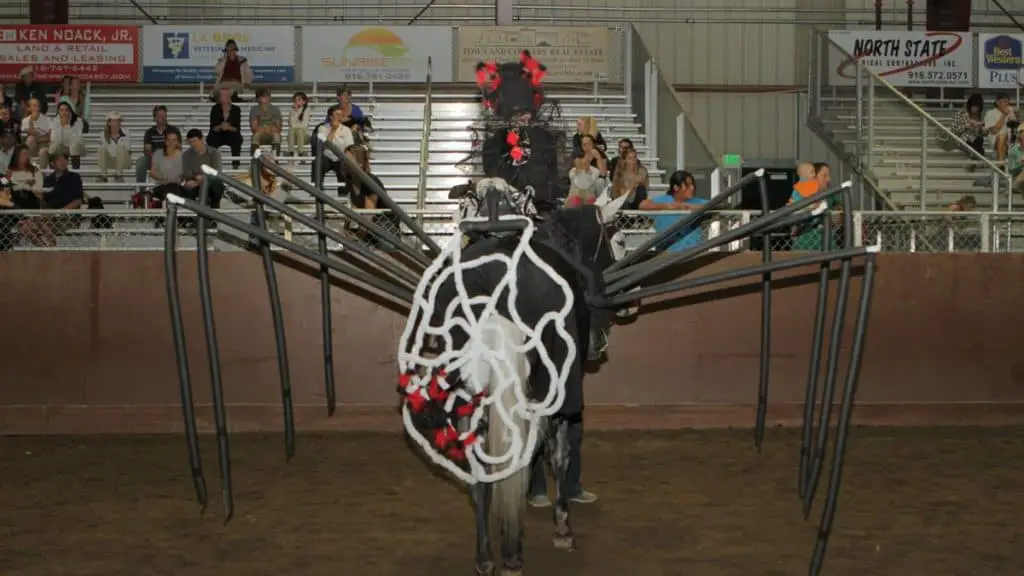
For those of you with an arachnophobia issue…..hehe

Spooky spider Horse Horsenetwork
Courtesy Horse Network

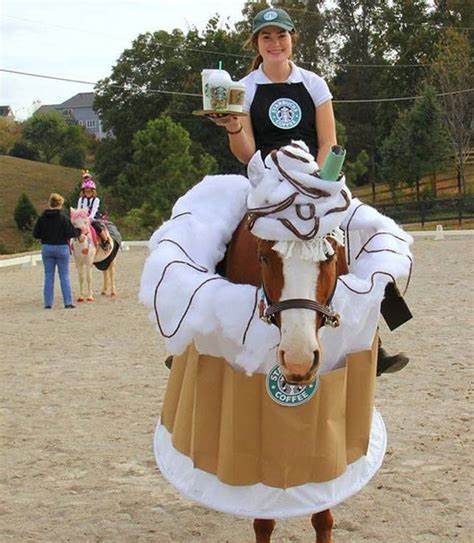
I’ll take mine with extra cream please…

Starbucks Horse Britco
Courtesy Brit+Co

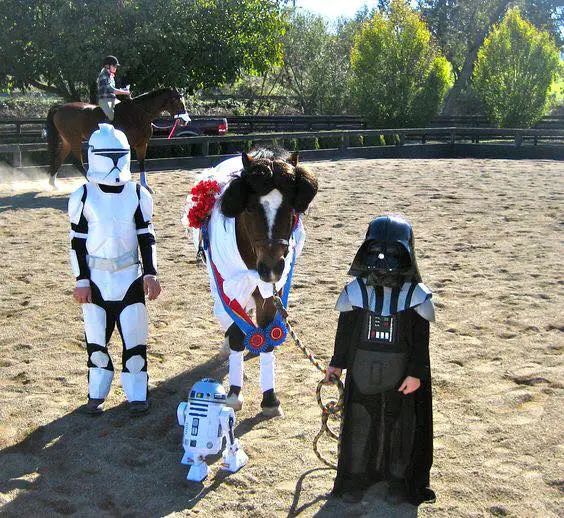
Princess Leia Needs a shave I think.

Starwars Kids Cowgirl Magazine
Courtesy Cowgirl Magazine

Now here is a scary one all right!

Zombie horse and rider sheknows
Courtesy She Knows

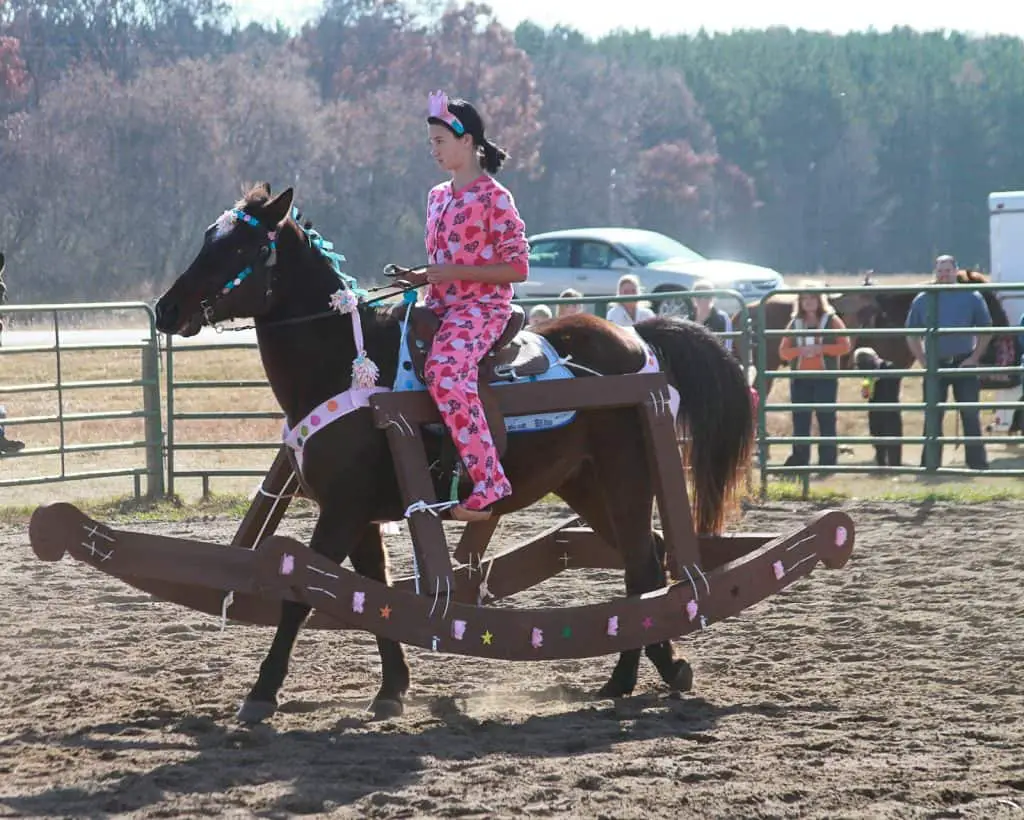
Of course this one required. Rocking horse…..duh…

Rocking Horse
Courtesy Christine Kleidon Photography

Little Bo Peep was just to cute not to include in this list.

Little Bo Peep
Courtesy Pinterest

We hope these images made you smile. Should you have some cool Halloween horse costumes you would like to have posted please send them to us and we will post them and give you credit of course.

Finding The Perfect Horse Riding Discipline

Perfect Horse Riding Discipline Featured
English Horse Rider

There are countless disciplines within the equestrian world. Even though every discipline involves horses, each discipline differs in many ways. Some disciplines are more expensive, more popular, and more intense than others. With so many options to choose from, how are you able to find the perfect discipline for you? Check out what each discipline entails in order to pick the perfect horse riding discipline for you!

Background

In order to choose which discipline is best for you, you have to decide whether you are more interested in an English or Western style of riding. Within English and Western riding styles, there are multiple disciplines to choose between. Some of these disciplines focus on speed, others focus on position, and some purely focus on the horse! In order to decide which discipline you would like to focus on, figure out what you would like to work on as an equestrian.

English

Dressage

Dressage is one of the most common disciplines in the English style of riding. Dressage focuses purely on flatwork and how you and your horse can maneuver as a team. This discipline does not focus on speed but rather focuses on footwork, strength, and how well you are able to ride your horse through a series of movements.

Dressage is scored based on how calm, collected, and effortless your movements look. If you are looking for a discipline where you are able to focus on position, movement, and poise then dressage may be the perfect discipline for you!

Showjumping

Showjumping is another common discipline within the English riding community. This riding discipline focuses on speed, agility, and technique. Just like the name says, show jumping involves jumping! This discipline is judged on how fast a rider and horse are able to jump a course without knocking rails or going over the time allowed.

Though this discipline seems simple and straightforward, a lot of technique is involved in order to get through these unpredictable courses! If you are looking for a bit of an adrenaline rush within riding, then this discipline may be for you.

Hunter/Jumper

Hunter jumper is similar to showjumping with a few differences in scoring. Though you are still jumping while doing this discipline, it is scored on the horses’ movements, how the horse jumps, and if each line is correct. Hunter jumper is not scored on how fast your horse completes the course, but rather on how correctly your horse moves and jumps.

Hunter jumper also has a “hunter under saddle” option in which all the classes focus on flatwork. This discipline is a great option for someone who is looking for the adrenaline of jumping but also wants to focus on correctness and looking pretty!

Eventing

Eventing is the ultimate English discipline! This discipline of riding contains three events including dressage, cross country, and showjumping. Though dressage and showjumping can be done as separate disciplines, cross country is specific to eventing.

Eventers are known as the adrenaline junkies of the equestrian world, as this discipline is arguably one of the most dangerous. Since cross country contains jumps that are on uneven terrain and the jumps are solid, it can be quite intimidating to compete.  Eventing has three separate events to show off your horses’ diversity in discipline. So if you are looking for an adrenaline rush, look into eventing!

Western

Western Horseback Riding

Western Pleasure

Western pleasure is a slow and steady discipline in the equestrian world. This discipline is judged on how calm and collected you and your horse are in the show ring. Though this discipline may look easy, it takes quite a bit of technique to keep your horse calm and responsive! This is a great discipline for someone looking to stay slow and focus on equitation and how the horse moves.

Barrel Racing

Barrel racing sounds just like its name! In the discipline of barrel racing you complete a clover pattern as fast as you can on your horse. Barrel racing usually is combined with other Western speed events such as pole bending. This discipline is judged on how fast you are able to complete the patterns given. This discipline is a great option for those looking for an adrenaline rush!

Reining

Reining is a fun Western discipline that entails different fast-paced maneuvers such as sliding stops and turns. This discipline is judged by how well these maneuvers are done. Reining is one of the largest Western disciplines and is a discipline that would suit someone who would like to focus on technique and speed!

Which Horse Riding Discipline Is Right For Me?

This question is difficult to answer since every equestrian is different and has different goals for their riding. This is only a short list of the available disciplines out there! Think about which style of riding is near you, which style interests you most, and what you want as a rider!

7 Tips to Regain Confidence in Horseback Riding

Girl And Her Horse
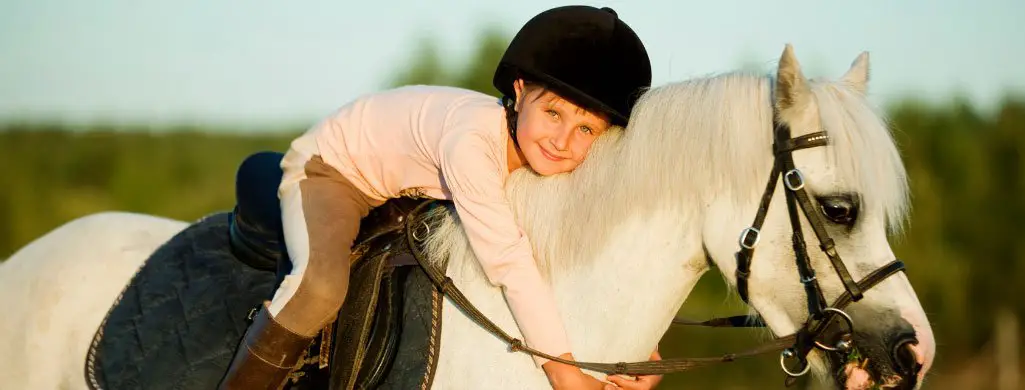
Young Girl Hugging Horse

Every equestrian understands how dangerous and complicated horseback riding can be. No matter the discipline you choose, there are risks we take every time we swing a leg over a horse. Knowing the danger can lead to nerves and a lack of confidence in the saddle.

Whether your nerves arise from riding green horses, preparing for shows, or recovering from a fall, it is important to regain the confidence to improve your riding. Here are our top 7 tips to regain confidence in horseback riding.

Tips to regain confidence in horseback riding

Wearing a helmet

I know many barns enforce a helmet rule while riding, however, I also know barns who do not. A helmet is a necessary part of my riding routine as it keeps my head protected and keeps my confidence intact. If you do not already wear a helmet, I would strongly suggest introducing one to your routine. If falls make you nervous, a helmet will add the protection your head needs!

talking to your trainer

Regain Confidence In Horseback Riding

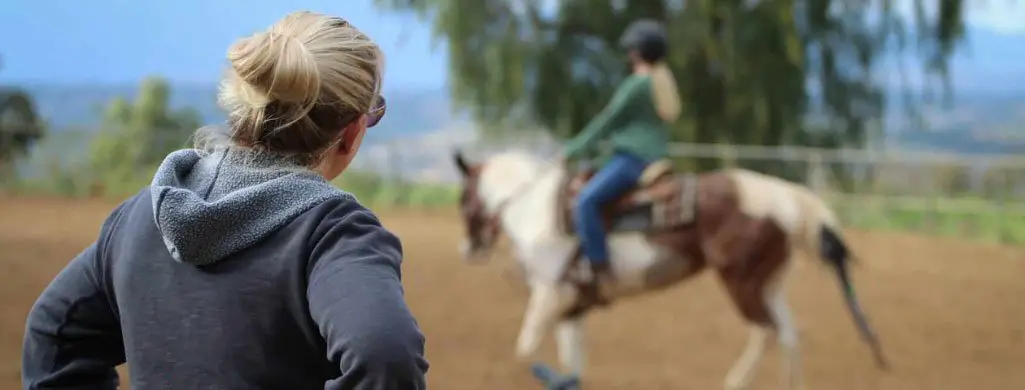
If you find yourself questioning your riding ability often, I recommend talking to a trainer about your concerns. If you are worried about your equitation, ask your trainer to talk you through a lesson or record a video of you riding. Go over your riding together and find highlights of your riding and where to improve. Communicating with  a professional will help!

ride a babysitter horse

If a large part of your concerns while riding revolve around the horse you ride, it might be a good idea to ride a made horse for a while. Riding green horses can be physically and emotionally exhausting. Talk to your trainer about riding one of the lesson horses for a week or two. Switching your young, green horse for a made lesson horse will bring your confidence back to where it needs to be!

self talk

This may seem strange, but this is my go-to tip for calming my nerves when riding. When practicing a test or working through a course, I say what I am doing out loud to myself and my horse. Not only does it remind me what I need to do, my horse also focuses on my voice and less on the random things he could potentially spook at. Just remember not to scream out your dressage test during a show! That will probably end with some strange looks on the judges faces!

spending quality time with your horse

Girl Riding Quarterhorse

All equestrians understand how important teamwork is with your horse. Understanding each other is the key to success within this sport. If you are losing confidence due to a few complications while riding you should try spending some quality time with your horse. Hang out in their stall, go for a walk around the property, give them a good bath, or something other than riding where you and your horse can bond. Groundwork is great for improving the relationship between you and your horse!

go back to the basics

If you find yourself getting nervous attempting new things when riding such as jumping higher, going faster, or anything you are not used to, try going back to the basics. Work on flatwork a ton! Make sure you are 100% confident in each gait when flatting your horse. If you aren’t perfectly confident while trotting your horse, you should not attempt to canter. An accident will hinder your confidence even more!

read “brain training for riders” by andrea monsarrat waldo

Though I have spent the majority of my equestrian life being the confident rider, I have had my moments of nervousness and outright fear to get on certain horses. Brain Training For Riders explains the psychology behind your brain when riding and how to overcome your nerves. If you are having any confidence issues when showing, riding green horses, or improving your own riding, I would check this book out now! It has changed my mindset for the better!

Ride with confidence

Fear is natural, especially when you are on top of a 1200 pound animal with a mind of its own.  Do not let nerves or fear hinder the love and passion you have for horseback riding. If you are experiencing confidence issues while riding, follow these tips, and watch your confidence improve in the saddle!

Horseback Riding on a Budget – Ride For Less

Horseback Riding On A Budget Featured

The stereotype surrounding equestrians revolves around having a lot of money. Though horses are expensive, there are plenty of options that can help reduce the cost of owning a horse. Whether it is board or breeches you are worried about, there is a way to manage all of your equestrian related expenses! Here are some ways to keep horseback riding on a budget!

Equestrian Expenses

The most important thing to understand when riding is that purchasing a horse is the least expensive thing you will purchase as an equestrian. After purchasing a horse, you have to worry about recurring necessities for your horse such as board payment, feed, supplements, hay, farrier, vet bills, teeth floating, and much more.

There are also many expenses that are not as recurring such as tack, riding apparel, brushes, and more. This can seem intimidating, as these expenses can add up quickly. Though horseback riding may seem only for the wealthy, there are plenty of ways to ride on a budget.

Horseback Riding On A Budget Breakdown

The Horse

Since horseback riding is an expensive sport, you will need some money in order to begin. Luckily, you do not need to purchase a horse in order to begin riding. There are options such as taking lessons, leasing and purchasing. Just taking lessons is the cheapest option, as you will just need to purchase some apparel in order to ride.

Though taking lessons is the cheapest option, you will usually only have access to this horse during your lessons. If you were to choose an option such as leasing, you would have access to this horse a few times a week. Leasing a horse requires a monthly payment to the owner of the horse in order to use this horse for recreational riding. Depending on the lease contract, you may have the opportunity to use this horse for showing and off-property riding. Some lease contracts do not require the purchase of tack and responsibility of vet bills.

Purchasing a horse is the most expensive of these options, however it will give you the most opportunity with your horse. You have full control over your riding experience when you choose to purchase a horse. Though you have full control, you also have full responsibility over all the expenses that come with your horse.

Horses can range from free to thousands of dollars. Make sure you purchase a horse in your price range and that you will be able to use it for your discipline. Carefully evaluate your income and commitment to riding before making the decision to lease or purchase a horse.

Board Payment

If you were to choose to purchase a horse, you will have to deal with the monthly board payment. Each barn has a different set price to board your horse there. These prices can range from a couple of hundred dollars to a thousand.

Horseback Riding On A Budget

It may seem like the best option to choose the cheapest barn in your area, however you may end up regretting that decision. Before choosing a barn, see if they provide feed, hay, shavings, and other benefits within the board payment.

Sometimes paying more for the board will end up paying other expenses you would otherwise have to worry about. Evaluate what you want within a barn. Some good questions to consider before making your decision:

  • Does this barn follow my discipline?
  • Does this barn provide feed/hay?
  • Will I have to clean my own stall and feed my own horses each day?
  • How far will I have to travel to this barn?
  • Do I enjoy the atmosphere in this barn?
  • Does this barn have an indoor, trails, etc?
  • Do I get along with others at this barn?

Apparel and Tack

Whether you choose to take lessons, lease, or purchase your own horse, you will need to purchase riding apparel and occasionally your own tack. This can be the least or most expensive purchase point for equestrians. You will need to decide if you are willing to spend more on tack and apparel or if you want to save in that department. Some tips to save on tack and apparel:

  • Look for sales on different equestrian sites
  • Look for used bridles, saddles, breeches, and other tack or apparel
  • Look at reviews on cheap tack to ensure they work properly
  • Maintain your tack and apparel so you will not have to replace it early
  • Look at thrift stores for riding apparel. Some places do not understand how expensive some items are and you can get a great deal!
  • Compare prices on different sites and items

Unexpected Expenses

As a college student, I have had a difficult time-saving money. It took me a while to establish savings in order for me to have the extra money in case of an unexpected vet bill. However, there are ways to save and keep money compiled for unexpected expenses.

Since you will never know how much an unexpected vet bill will be, it is always best to overcompensate. Whether it is a vet bill, tack breaking, behind on board payments, or another large financial commitment, there is a way to come up with the cash! A few tips that helped me, a horse obsessed college kid:

  • Save small, it grows faster than you think!
  • Prioritize necessities! Do not spend that money on a matchy set if you know you will need teeth floating done next week.
  • Save money in an account you do not access unless necessary
  • If possible, get ahead on payments
  • Keep loose change! It adds up quickly!
  • Take a percentage of your paycheck and keep it in a savings

Tips and Tricks

Whether you have the nicest tack and the most expensive horse in the barn or if you are working hard to afford what you can, all equestrians have one thing in common: we love our horses and would do anything for them.

Horse Apples

Saving money is important no matter what kind of equestrian you are. As a college student, I found many tips and tricks to save money horseback riding. Here is what I have learned:

  • Ask if you can reduce board payments by feeding or cleaning stalls
  • See if your horse is eligible for a lesson horse, this can reduce board payments
  • Save for the unexpected
  • Evaluate what you can afford! Lessons, leasing, or purchasing
  • Find someone to lease your horse if necessary. This can help with finances and board payment
  • Know what is necessary tack and apparel and what is not
  • Understand you do not need the most expensive things

be a frugal Rider

You do not have to have millions in order to ride horses. Horseback riding on a budget means you just have to be smart with money! The stereotype behind equestrians being rich is just quite the contrary. The only requirements are commitment and a passion for horses. If you possess those qualities, being an equestrian should be no issues for you!

What Color Saddle Pad Looks Best on My Horse?

Woman Taking Horse Saddle Off Horse
What Color Saddle Pad Looks Best On My Horse

One common question I always get asked when tacking up with my barn buddies is “Does this color look good on my horse?” Now, I do not think horses necessarily look bad in specific colors, but there is usually a specific color that looks best on each colored horse. So, what color saddle pad looks best on my horse?

Fashion sense in the equestrian world is more common than we may think. Whether it is choosing which color breeches work best with our polos or matching our saddle pads to our ear bonnets, we’re always looking to look good!

Grey

Grey horses can be slightly strange to find colors for, as they do not have a predominant color. Depending on whether they are flea-bitten, dappled, or perfectly pristine white can all have an effect on what color looks good on them! Good news for grey owners: no color looks bad on grey horses! However, if you are looking to pop in that arena, look into the following colors for your horse

Palomino

Palomino’s tend to be trickier than some since the color mostly depends on the undertone of the saddle pad. Since most palominos have a warmer undertone to them, you will want to find a warm tone colored saddle pad. No matter what color you choose for your palomino, there is one that will always turn heads in the ring. Hunter Green is the way to go with a flashy palomino!

Chestnut

Similar to palomino’s, chestnuts need a warm-toned saddle pad color. Since this
color is in the middle of the range, you have quite a bit of freedom! If your
chestnut is lighter than most, you might want to stick to a darker color. If your
chestnut is darker than most, you might want to add a bright color that will pop!

Bay

As a bay horse rider and saddle pad enthusiast myself, I have found that there
are many colors that work well (and NOT so well) on bay horses. Depending on
how predominant the red is in your bay will impact which color suits your horse
best. The more red, the less red you will want in your color! So blood bay horse
owners: red may not be the best option!

Black

Black horses are easy to find saddle pads for because practically every color looks great on them! Since black horses’ hair is so dark, a pop of color usually will turn heads rather than dark colors. Any pastel or neon color will do the trick! Though I enjoy many colors on black horses, a bright blue will always look the best on a black horse!

Neutral Color

If you are not a fan of bright colors on your horse, do not fear. There are still countless options for minimalistic equestrians. Black and white saddle pads can get boring after a while (and dirty). One way to spice up your tack is by adding a pop of color to the piping! Finding a neutral saddle pad with piping that matches your horse’s color will keep you looking sleek in the ring. For example, if you have a bay horse, adding red piping on a white saddle pad will keep it interesting and sleek. 

Summing it up

Finding the perfect color saddle pad for your horse is not the most stressful thing we have to do as equestrians. No matter the color, your horse will shine in the show ring! However, it is fun and exciting to know you and your horse will look good strutting into the arena. Find what fits you!
Malcare WordPress Security